



A Practical Guide to Using Crawler Mini Cranes in Narrow Job Sites
A Practical Guide to Using Crawler Mini Cranes in Narrow Job Sites
Working in cramped construction areas has never been simple. Space disappears quickly once materials, tools, and workers fill the scene. Traditional lifting equipment often becomes too bulky for these environments, which is why crawler mini cranes and compact lifting machines have become a regular part of many contractors’ toolsets. These machines deliver lifting power without the need for large access roads or wide turning space.
YILU LIFT, a manufacturer known for reliable small-scale lifting equipment, offers solutions built specifically for these tight-space challenges. This guide takes a closer look at how these machines support smooth lifting work in narrow areas and where each model shines.
Why Are Crawler Mini Cranes Particularly Useful in Confined Work Areas?
Slim spaces make teams think again about how to finish lifting jobs safely. Before we check how the machines work, it helps to see why mini cranes stand out next to full-size gear.
Shifting from the broad issue to clear plus points, crawler mini cranes offer much more than their tiny shapes show.
Compact Footprint and Adjustable Outriggers
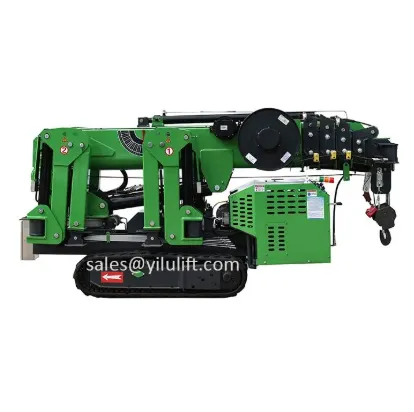
The Spinnenkran from YILU LIFT is built with a slim body and foldable outriggers, allowing it to slip into places that larger cranes simply cannot reach. Once in position, the outriggers open in multiple angles to match whatever space is available. This makes it possible to stabilize the crane inside corridors, between buildings, or around steel structures without disrupting surrounding tasks.
Low-Center-of-Gravity Design for Stability
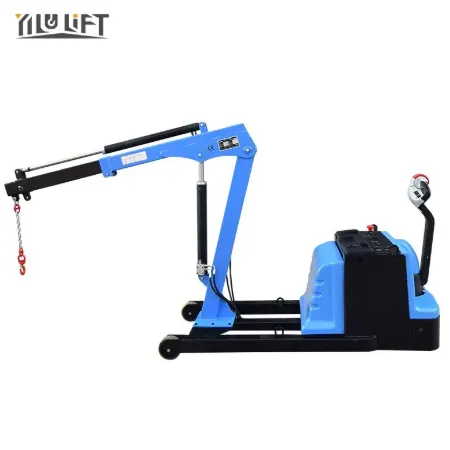
Switching from the spider type to another small choice, the Electric Floor Crane takes a fresh way to lift. It stays low to the floor and puts its weight down instead of up. This gives it a firm feel on bumpy or messy grounds.
This setup fits well inside or in shop spots where travel is short but lifts happen often. The less swing and solid base cut the risk of falling over. Even with steady use.
Remote Control and Better Mobility
Modern mini cranes benefit from simple controls, often through wireless remotes. YILU’s Spider Crane uses this system so operators don’t need to stand close to the load or squeeze into awkward positions. Moving around the load path becomes easier, and the operator can always pick a safe angle with clear visibility.
The mobility of crawler tracks also matters. Tracks carry the crane over dirt, gravel, and unfinished surfaces without getting stuck. This allows progress even when the site is still in its early construction phase.
What Are the Key YILU Mini Crane Models for Tight Job Sites?
YILU LIFT sells more than one tool good for narrow zones. Each suits a different job kind. Before you pick a type, it helps to know what each brings to the field.
To link the last part with the list below, these types all fix the same close-space issues but in unique ways.
Spider Crane (Mini Crawler Spider Crane)
This type is made for heavy lifts in small spots. With a 5 to 8 ton lift range, it deals with steel bars, glass sheets, HVAC parts, and site stuff where large cranes would fit in. The multi-part extendable arm reaches high spots despite the crane’s tight body.
Its flexibility suits builds, gear setups, roofs, middle floors, and outside areas with short paths.
Electric Floor Crane (Movable Jib Floor Crane)
The Electric Bodenkran gives a basic, straight lift fix. Folks often choose it for 2-3 ton loads, mainly in shops, storage spots, and inside build sites. The crane glides on wheels. One person can run it.
This tool cuts worker needs, drops extra forklift use, and fits well for repeat lifts over close ranges.
Model Comparison for Better Selection
The big gap between the two is reach and entry:
- The Spider Crane does better for up-high lifts and tricky spots.
- The Floor Crane fits ground or middle lifts where moves and repeats matter more.
- Space limits, lift height, and needed steadiness usually guide the pick.
How Can Spider Cranes Be Safely Deployed in Narrow Job Sites?
Using a spider crane in a tight area calls for good planning. Although the machines are built for these environments, proper setup makes all the difference in safety and performance.
Before moving into the techniques below, safe deployment usually begins with checking the ground and identifying how much room is available for the crane legs.
Proper Outrigger Setup
Outriggers are the backbone of spider crane stability. On YILU LIFT’s model, each outrigger can open at different angles, allowing the crane to balance even if one side is blocked by walls or other structures.
The key is setting each leg firmly and checking ground strength. Small adjustments to outrigger length often help the crane match the exact space without losing stability.
Boom Extension Control
Spider Cranes rely on multi-section booms that can slide in and out. Controlling the boom extension slowly is important in narrow areas because swinging loads can bump into nearby obstacles.
YILU’s telescopic boom design offers smooth and steady control, allowing operators to reach difficult lifting positions without rushing the movement.
Operator Training and Remote Control Practices
The handheld remote provided with YILU’s Spider Crane gives operators the freedom to stand away from the machine and choose a clear viewing angle. This reduces blind spots and helps prevent accidents.
Good practice includes watching the outriggers, keeping an eye on the load path, and communicating with ground workers during a lift.
Under What Circumstances Should You Choose a Floor Crane Over a Spider Crane?
Not every job needs a crawler-type crane. Floor Cranes fit certain tasks better, especially when the work is repetitive or done indoors.
Before choosing, many teams think about the frequency of lifting, available floor space, and how high the loads need to be lifted.
Low-Height Lifting Needs
When lifting requirements remain under a moderate height, the Electric Floor Crane becomes a more efficient option. It handles pallets, equipment parts, engines, and building materials without requiring outriggers or crawler tracks.
Manual or Lightweight Material Handling
Workshops and production areas often need quick, simple lifting that doesn’t justify a more complex machine. The Floor Crane is perfect for this because one operator can move it directly to the load and raise it with minimal setup.
Continuous Operation & Energy Efficiency
Battery-powered designs keep the crane running for long work cycles. It also stays quiet, which helps for indoor tasks where noise levels matter. Workers can charge it during breaks and keep it working throughout the day.
What Practical Factors Should Be Considered When Operating Mini Cranes in Tight Areas?
Even with the right machine, working in a limited zone calls for more care. A few real thoughts help skip stops and keep the job on path.
Site Access and Transport Logistics
Mini cranes may be small, but they still need room to get in the site. Groups often map the way ahead and clear blocks for a bit. The crawler tracks of the Spider Crane aid it to go over bumpy ground. Meanwhile, the Floor Crane’s wheels need flatter surfaces.
Power Supply and Battery Management
Electric Floor Cranes rely on battery rounds, so mapping charge times counts. On bigger jobs, many groups set a small charge spot to skip waits.
Maintenance and Inspection Protocols
Regular looks help stretch the life of both models. Checking fluid lines, screws, arms, and power links takes just a few moments but stops most troubles. Dust and bits should get cleared too, mainly after work on rough outer sites.
FAQs
Q1: Can a Spider Crane work on uneven or rough ground?
A: Yes, the crawler tracks and adjustable outriggers let the machine steady on many kinds of surfaces. But the ground must be strong enough to hold the load.
Q2: Is a Floor Crane suitable for outdoor construction sites?
A: It can get used outside on smooth, hard surfaces. But it does best inside or in half-done areas with flat floors.
Q3: How much training is needed to operate a mini crane?
A: Most users learn basic buttons fast. This holds true with the remote control setup. Still, right training and site practice are suggested for safe pulls.
