



Top Safety Considerations When Operating Boom Lifts
Top Safety Considerations When Operating Boom Lifts
Boom lifts have become one of the most relied-on tools for tree trimming, building maintenance, warehouse installation, outdoor repairs, and all kinds of high-reach tasks. Their ability to lift workers, tools, and materials to significant heights makes daily operations far more workable. But height always comes with risks. Because of this, safety remains the biggest talking point for contractors, facility teams, and rental companies worldwide. Choosing the right boom lift and knowing how to use it the right way can make the difference between smooth work and unexpected trouble.
To help equipment buyers and on-site operators better understand key safety points, the following sections break down the major considerations that matter in the real world—together with examples from YILU LIFT’s Towable Boom Lift, Crawler Boom Lift, and general Boom Lift line.
What Factors Help Ensure Stability During Boom Lift Operation?
Before discussing movement and lift control, it helps to look at the foundation. A boom lift is only as safe as the stability it can hold under load. Whether used on grass, concrete, uneven ground, or loose soil, stability sits at the core of every operation.
Platform Load Control and Balance
Overloading is one of the most common reasons boom lifts run into problems. Each lift has a rated weight limit. Exceeding it—even a little—can shift the platform’s balance and increase sway at full height. YILU LIFT’s 10–24m Towable Boom Lift and 10–22m Crawler Boom Lift both use strong structural frames and well-tested hydraulic arms designed to keep platform balance steady. Proper distribution of tools and materials on the platform also matters. Workers often keep heavy items too close to one side, unknowingly affecting how the arm behaves when extended.
Terrain Adaptability With Crawler and Towable Designs
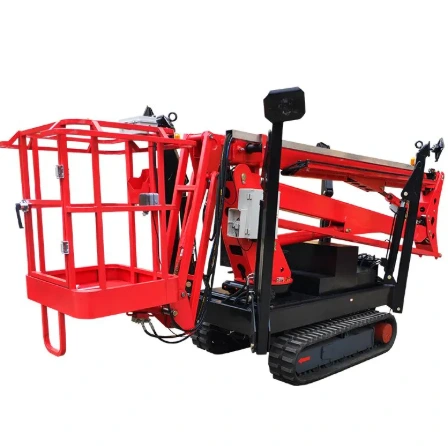
Different ground conditions call for different lift designs. Towable boom lifts are great for paved surfaces, open outdoor areas, and job sites that require frequent repositioning. Crawler boom lifts, on the other hand, grip the ground with wide, rubber tracks. This setup reduces sinking on soft soil and provides a more grounded stance on slopes. YILU LIFT’s tracked models are often used in orchards, hillside farms, remote construction zones, and any area where wheels simply don’t feel safe.
Outrigger and Stabilizer Engagement
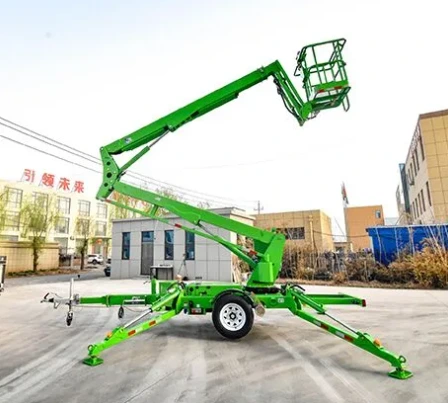
Outriggers are often overlooked, yet they play a central role in high-reach safety. They widen the lift’s footprint and help the machine stay level even on uneven surfaces. For towable units, workers sometimes skip full deployment when “the ground looks flat enough.” But even a small tilt can create trouble when the arm rises past 15 or 20 meters. Proper setup takes only a minute, and it dramatically increases the stability of tall equipment like the 24m Towable Boom Lift.
How Can Operators Maintain Clear Visibility and Safe Working Distance?
Good visibility helps workers avoid overhead obstacles, keep safe spacing from walls, and control movement with more confidence. Once a lift leaves the ground, blind spots increase fast. That’s why operators must slow down and develop a clear view before making any move.
Wide-Angle Operating View and Reduced Blind Spots
A boom lift with a well-positioned basket and open view makes a big difference. YILU LIFT’s platforms are designed so operators can check surroundings without stretching uncomfortably or leaning too far out. The slim arm structure on their Towable Boom Lift also helps reduce blind corners when rotating.
Proximity Awareness Through Slow, Controlled Movements
Even experienced operators occasionally move too quickly while adjusting height or rotation. A slow approach gives more time to react to cables, tree branches, metal beams, or signboards that sit close to the working area. Many job sites also use a ground guide to help spot potential collision points, especially when space is tight.
Obstacle Avoidance Using Elevated Rotation Systems
Modern auslegeraufzüge can rotate smoothly at height, but height also makes small movements feel bigger. Smooth rotation systems—such as those built into YILU LIFT’s Boom Lift series—help the operator make careful adjustments without sudden swings. This matters a lot when working near windows, metal structures, or communication lines.
Which Operating Practices Help Reduce High-Altitude Risks?
A safe lift doesn’t come from the machine alone. Operating habits can change everything. Even with a well-built boom lift, careless movement or rushed actions raise the chance of accidents.
Harness and Guardrail Usage for Fall Prevention
High-altitude work always carries fall risk. Wearing a harness and staying within the guardrails might feel basic, but many accidents occur because workers take shortcuts. The guardrails on YILU LIFT platforms are designed to be sturdy enough for daily work, and harness anchor points come standard.
Steady Platform Positioning Before Elevation
Raising a lift while the chassis or outrigger setup is unstable is one of the biggest red flags on job sites. A quick check—just a few seconds—helps confirm the machine sits evenly. This habit becomes even more important when using tall models above 20 meters.
Restricted Operation Under Severe Weather
Strong winds, sudden rain, or lightning can turn a safe machine into a risky one. Tall boom lifts act like big sails during storms, especially at full height. Many teams use the wind rating set by the manufacturer as a clear limit. YILU LIFT’s equipment includes recommended operating conditions so teams can decide when to pause work.
Why Does Choosing the Right Boom Lift Improve Safety?
Every job site has its own layout, ground condition, and height needs. Choosing the wrong lift can create extra steps, awkward operation angles, and unnecessary risks. This is why equipment selection links directly to safety.
Towable Boom Lift for Flexible Outdoor Movement
The 10–24m Towable Boom Lift from YILU LIFT is a popular pick for tree care teams, building maintenance crews, and contractors working across scattered outdoor locations. Towability means quick relocation between tasks and easier transport. The long reach and stable outrigger design keep the platform usable even for tall tree trimming and building façade work.
Crawler Boom Lift for Maximum Ground Grip
The 10–22m Crawler Boom Lift suits customers working on farms, gardens, orchards, hillside paths, or rough terrain where tires aren’t enough. The rubber tracks distribute weight evenly and greatly reduce sinking. Many agricultural teams choose these models because they can move across soft soil without destroying the ground.
Self-Propelled Boom Lift for Efficient Multi-Angle Operation
YILU LIFT’s general Boom Lift line covers a wide range of heights and working envelopes. These models are common in warehouses, large commercial buildings, indoor maintenance, and outdoor installation tasks. The self-propelled function cuts down on setup time and allows workers to reposition quickly without climbing down.
What Inspection and Maintenance Steps Reduce Equipment Failure?
Even the strongest boom lift needs regular attention. Small issues can grow into bigger ones when ignored. A routine check keeps the lift in better condition and avoids sudden breakdowns in the middle of a job.
Routine Checks on Hydraulics and Structural Components
Hydraulic leaks, loose pins, worn-out hoses, or small cracks in the arm structure should be checked often. These parts take heavy loads every day, so early detection helps prevent unexpected moments at full height.
Battery, Engine, and Control System Testing
Smooth lifts depend on reliable power. Batteries losing capacity or engines with slow response can cause jerky movement. Controls should be tested before each shift to confirm the buttons respond properly and no delay appears between command and action.
Lubrication, Cleaning, and Replacement of Wear Parts
Dust, mud, paint, and debris collect over time. Keeping the machine clean helps operators notice unusual wear spots. Lubricating moving parts also helps maintain smoother arm movement, which improves the working feel for both crawler and towable models.
FAQs
Q1: How often should a boom lift undergo maintenance?
A: Most teams run quick daily checks and schedule full inspections every month or based on usage hours. Heavy-use projects may need more frequent servicing.
Q2: Can boom lifts be used safely on slopes?
A: Yes, but only when slope limits are followed. Crawler models handle slopes better because of their track design, while towable lifts require stable outrigger leveling.
Q3: Which YILU LIFT model is best for mixed indoor and outdoor use?
A: The general Boom Lift line is often preferred because the self-propelled design allows easier movement in both environments without repeated towing or repositioning.
