



Guide to Choosing Between a Scissor Lift and a Ladder for At Height Tasks
Guide to Choosing Between a Scissor Lift and a Ladder for At Height Tasks
When you need to work high up, safety, speed, and usefulness matter a lot. You might clean tall building windows, fix high structures, or move heavy items in a storage area. The tool you pick can change how safe and fast the job gets done. Two common tools for high work are scissor lifts and ladders. Each has good points and bad points. Picking the right one keeps workers safe and helps get more work done.
This guide is for warehouse managers, construction foremen, and maintenance techs who tackle high-up jobs every day and want simple, safe picks to keep the team moving without slips or slowdowns.
What Are The Key Risk Factors When Working At Height?
High work always brings danger. No matter if you use a ladder or a scissor lift, you must know the risks and lower them. When you pick between these tools, check fall dangers, reach limits, and weight limits.
1. Fall Hazard and Stability Issues
Falls cause many hurts and deaths at work sites with height. Ladders stay light and quick to place, but they wobble easily. This happens when workers shift or move on them. A ladder gives little support. It does not offer a safe flat area. You need that when you use both hands or face wind or bad ground.
But scissor lifts give a firm and safe spot for workers. They have a big area for more people and tools. They rise and drop smoothly with control. So workers stay much safer than on a ladder.
2. Access and Reach Constraints
Ladders fit jobs at low to middle heights. Yet the taller the ladder, the harder to keep steady. This gets worse when you stretch to the side or work at sharp angles. It cuts the reach a lot. Ladders do not suit very high or tricky jobs.
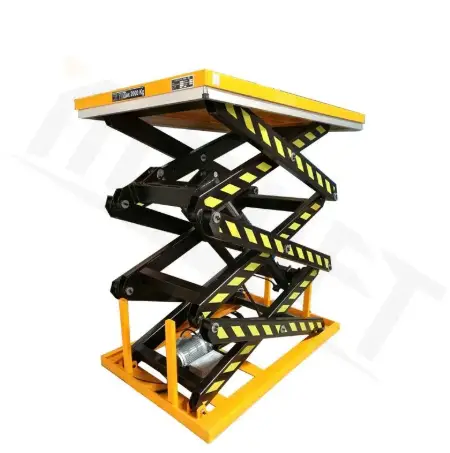
Scissor lifts, like the 1-4 Ton Standard Lift Platform, work better for height. They reach high or tough spots easily. You can set them to different levels. Workers keep a steady spot. They can clean windows, install items, or fix things.
3. Load Capacity and Workstation Requirements
Ladders do not hold heavy weights. They help with light jobs like painting, cleaning windows, or small fixes. But for heavy tools or items, or when many workers join, a ladder fails to give enough support.
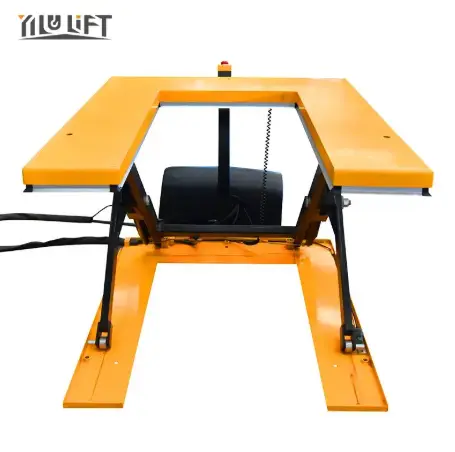
On the other side, scissor lifts like the 600-1500kg U Shape Scissor Lift focus on weight support. They lift heavy loads, such as building supplies or machines. They raise workers high without overload or wobble. For big lifting or tough jobs, a scissor lift wins often.
Ladder Versus Scissor Lift: A Comparative Overview
Both ladders and scissor lifts help with high work. But they fit different jobs. Knowing strong and weak sides helps pick the best one.
1. Advantages and Limitations of Ladders
Ladders stay light and cheap. This makes them nice for small jobs or tight spots. You set them up fast and move them without trouble. This helps short jobs a lot.
Still, their big weak point is low stability and safety. Workers must balance all the time on ladders. This gets hard with tools, items, or odd reaches. Height limits also stop them from high jobs.
2. Advantages and Limitations of Scissor Lifts
Scissor lifts give a far safer and steady base for high work. You adjust heights. They hold many workers and heavy loads. This suits long, tough jobs like building, fixing, and storage control.
Yet scissor lifts take more room and cost more than ladders. They do not fit small, easy jobs. You need space and careful moves, mainly in narrow areas.
3. When Ladder May Still Be Appropriate
Even with scissor lift wins, ladders fit some cases. They work for quick jobs or middle heights. Ladders move easy. They suit small, light tasks best. If no heavy items or many workers, a ladder stays simple and low-cost.
How YILU LIFT’s Products Address At-Height Challenges
YILU LIFT sells many scissor lifts. They handle different high tasks safely and fast. Each item has special traits and uses. You can find the right fit for your work.
1. 1-4 Ton Standard Lift Platform: Features and Applications
The 1-4 Ton Standard Lift Platform fits heavy lifting at height perfectly. You might raise workers for window cleaning, repairs, or setups. This platform handles 1 to 4 tons without trouble.
It works inside and outside. The build stays strong and very steady. It offers a large flat area for several workers and tools. It manages big weights safely. This makes it great for building sites and factory fixes.
2. 600-1500kg U Shape Scissor Lift: Features and Applications
The 600-1500kg U Shape Scissor Lift suits places that need flexible heavy lifting. It holds 600kg to 1500kg. This model lifts items, machines, or people in storage areas, plants, or outside.
Its U shape helps move in small spaces. It still gives stability and lift power for heavier loads. It fits equipment fixes, upkeep, and big setups well.
3. Customized Scissor Lift Table: Tailored Solutions
For special lift needs, YILU LIFT gives Customized Scissor Lift Tables. You can change them to match exact job details. This includes platform sizes, weight limits, and safety items like rails and covered wheels.
Custom fits let companies use the best tool. This boosts safety and speed. For tiny spaces, odd heights, or special settings, these lifts match the job just right.
Decision-Making Framework: When To Use Ladder, When To Use Scissor Lift
When you pick between a ladder and a scissor lift, check the job needs closely.
1. Task Height and Reach
If the job needs high or hard spots, pick a scissor lift usually. Ladders limit height and risk wobble in these cases. Scissor lifts, like YILU LIFT’s models, set to the right level. They give safe, steady reach.
2. Load and Workstation Requirements
For heavy lifts or big work areas, a scissor lift works much better. Ladders cannot hold heavy gear or many workers. Scissor lifts offer a firm base for such jobs.
3. Safety and Mobility Considerations
Safety comes first always at height. Scissor lifts create a safer, steadier spot for workers. This helps with complex jobs or heavy items. Use ladders only for light tasks where moving fast matters more and safety risks stay low.
Practical Recommendations for Selecting YILU LIFT Equipment
When you choose YILU LIFT gear for your job, think about these tips:
- For Low to Medium Heights:Pick ladders for fast, easy tasks. Stability worries stay small here.
- For Heavy Lifting or Long-Term Projects:Go with scissor lifts. Try the 1-4 Ton Standard Lift Platform o 600-1500kg U Shape Scissor Lift. They give top weight support and firmness.
- For Customized Requirements:Need a special fit? The Mesa de elevación de tijera personalizada works best.
Conclusion
Picking the right tool for high work depends on height, weight needs, and safety. Ladders help small jobs and quick reach. Scissor lifts give steadier, flexible answers for high tasks. With YILU LIFT’s many lift items, companies pick the perfect tool. This raises safety and speed on the job site.
FAQ
Q1: Can scissor lifts be used for both indoor and outdoor tasks?
A: Yes. YILU LIFT’s 1-4 Ton Standard Lift Platform works inside and outside. It fits many settings.
Q2: What is the maximum weight capacity of the U-shape scissor lift?
A: The 600-1500kg U Shape Scissor Lift holds 600kg to 1500kg safely. It depends on the model you pick.
Q3: How can I customize a scissor lift for my specific needs?
A: YILU LIFT sells Customized Scissor Lift Tables. They change for height, weight, and safety needs. Reach our team for personal help.
