



How to Spot the Difference: High-Quality vs. Substandard Spider Cranes
How to Spot the Difference: High-Quality vs. Substandard Spider Cranes
Choosing a spider crane is no longer just about lifting capacity on paper. As projects move into tighter spaces, indoor environments, and mixed-use job sites, buyers are paying closer attention to how a crane is built, how it behaves under load, and how reliable it stays after months or years of real work. On the surface, many spider cranes look similar. In practice, the gap between high-quality and substandard machines can be wide, and costly if overlooked.
This guide looks at the real differences that matter. By breaking down structure, performance, support, and common warning signs, it becomes easier to understand why professional contractors and rental companies increasingly turn to established manufacturers like YILU LIFT for spider cranes and complementary lifting solutions.
What Are The Key Build Characteristics That Separate High-Quality From Substandard Spider Cranes?
Prior to discussing technical details or company names, the actual construction of a spider crane reveals much of the narrative. Choices in materials, welding standards, and protective features indicate if the equipment suits prolonged tasks or merely quick deals.
Recall that between this main query and the points that follow, spider cranes face intense pressure within limited structures. Minor flaws in design surface more quickly here than on bigger equipment.
High-Grade Structural Materials And Precision Welding
A superior spider crane employs verified steel featuring uniform thickness and reliable durability throughout the boom, supports, and base. Neat weld seams, level connections, and strengthened key areas become noticeable during a thorough check. These elements serve practical purposes. They determine the crane’s ability to endure multiple lift operations without weakening.
Inferior spider cranes frequently use slimmer steel or hasty welds. Initially, this might not impact simple raises, but eventually, fractures, frame bending, or irregular boom action emerge. YILU LIFT spider cranes feature bolstered framework parts crafted for tough building and setup duties, such as managing glass, positioning steel, and placing gear in restricted spots.
Robust Safety Systems And Certifications
Protective mechanisms form another obvious split. Devices for load limits, sudden halt functions, safeguards against excess winding, and checks for steady support legs ought to be included as basics, not add-ons. Top-tier spider cranes undergo trials and gain approvals under accepted guidelines, which brings genuine benefits to controlled work areas.
Budget models might mention protective elements yet miss accurate setup or external validation. Consequently, cautious users hesitate to reach full capacity ratings, which undermines the reason for acquiring the crane. YILU LIFT crafts its spider cranes with site rules in view, rendering them fitting for expert leasing groups and worldwide endeavors.
Smooth, Stable Load Handling Performance
Without even hoisting heavy weights, the manner in which a spider crane shifts reveals plenty. Fluid rotation, managed boom reach, and firm placement under light loads all suggest solid fluid power setup and even weight spread. Sudden jerks or slow reactions typically indicate savings in valves, pumps, or command setups.
Premium spider cranes from YILU LIFT gain recognition for consistent motion and foreseeable control, which proves vital when operating close to completed areas or delicate items.
How Can Users Tell If A Spider Crane Will Perform Reliably On Job Sites?
Construction quality lays the groundwork, yet routine operation is where a crane demonstrates its worth. Dependability involves more than preventing failures. It also influences output, user assurance, and timeline precision.
This inquiry sharpens by observing the equipment’s response in standard field settings, rather than just display presentations.
Payload Accuracy And Power Efficiency
Dependable spider cranes achieve hoist power that aligns with the provided chart during actual tasks. Energy delivery remains steady across various boom positions and reach distances. If a crane falters near its maximum ratings or displays irregular force, it commonly hints at poor fluid power pairing or undersized parts.
YILU LIFT spider cranes aim to sustain even performance over typical hoist spans, allowing users to operate nearer to intended levels without frequent tweaks.
Ease Of Control And Operator Ergonomics
Command interfaces that seem natural cut down errors and user tiredness. Bright screens, sensible handle arrangements, and quick responses all aid users in concentrating on the hoist instead of battling the device. Lesser cranes function, but clumsy commands drag out processes and heighten dangers.
YILU LIFT stresses user-accommodating command setups, which renders their spider cranes appropriate for extended interior or exacting duties.
Serviceability And Parts Availability
Even excellent equipment requires upkeep. Superior devices allow entry to filters, lines, and replaceable items without extensive breakdown. Straightforward guides and common parts hold importance as well.
A key factor why many purchasers steer clear of obscure makers is component access. YILU LIFT backs its spider cranes with reachable replacement items and expert aid, minimizing idle time and doubt over the tool’s operational span.
What Role Do Brand Reputation And After-Sales Support Play In Quality?
Excellence extends past the production line. The enduring benefit of a spider crane relies greatly on the entity supporting it post-shipment.
This part explores how company standing converts to tangible gains for acquirers and handlers.
Proven Track Record And Customer Testimonials
A maker with an evident history across diverse regions typically has tackled genuine field issues and refined its offerings progressively. Input from building outfits, setup teams, and leasing operations yields a truer view than promotional materials.
YILU LIFT has established its standing by delivering hoist gear that operates steadily in assorted settings, ranging from city building to factory upkeep.
Warranty Coverage And Technical Support
Defined guarantee conditions and alert aid groups carry more weight than many acquirers anticipate. When troubles occur, prompt expert advice can stop minor glitches from turning into pricey holdups.
YILU LIFT provides organized post-purchase aid, which holds special value for distant clients handling varied groups and strict timelines.
Global Spare Parts Network And Training
Reach to replacement components and fundamental instruction aid prolongs equipment life. Companies that commit to such aspects generally aim for ongoing alliances instead of single transactions.
Which YILU LIFT Products Exemplify High-Quality Spider Crane Standards?
Grasping quality conceptually aids understanding, but specific instances clarify it further. YILU LIFT’s lineup illustrates how expert planning turns into on-site benefits.
Prior to reviewing particular types, note that selecting the appropriate crane for the task forms part of effective quality strategy.
YILU Spider Crane With Superior Lift Power And Compact Mobility
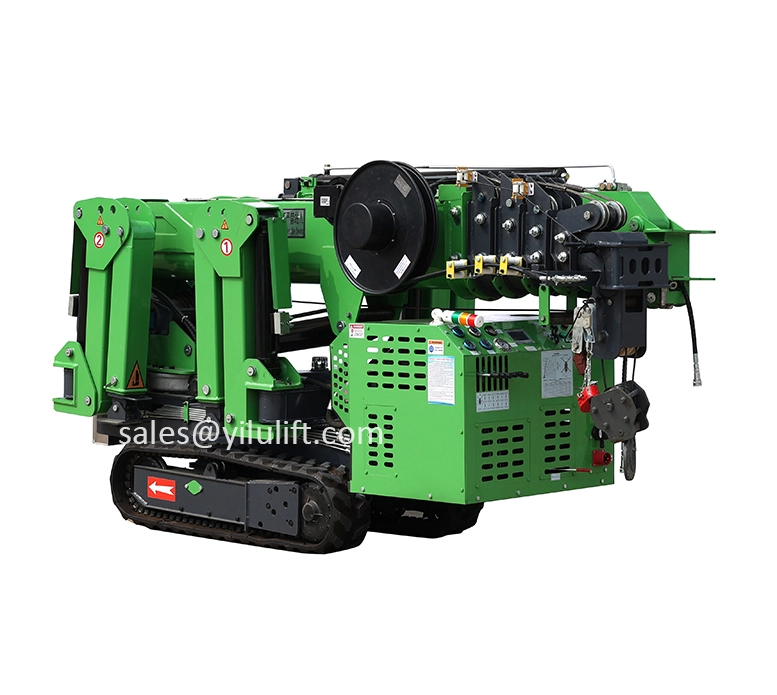
The YILU LIFT Spider Crane lineup suits confined zones where standard cranes fail to function. Small dimensions, robust hoist strength, and adaptable legs enable application in shops, business structures, and upgrade locations. Its even build and fluid power management fit both demanding and accurate hoist jobs.
This type frequently suits ventures needing regular shifts without losing firmness or hoist assurance.
YILU Floor Crane As A Reliable Auxiliary Lifting Solution
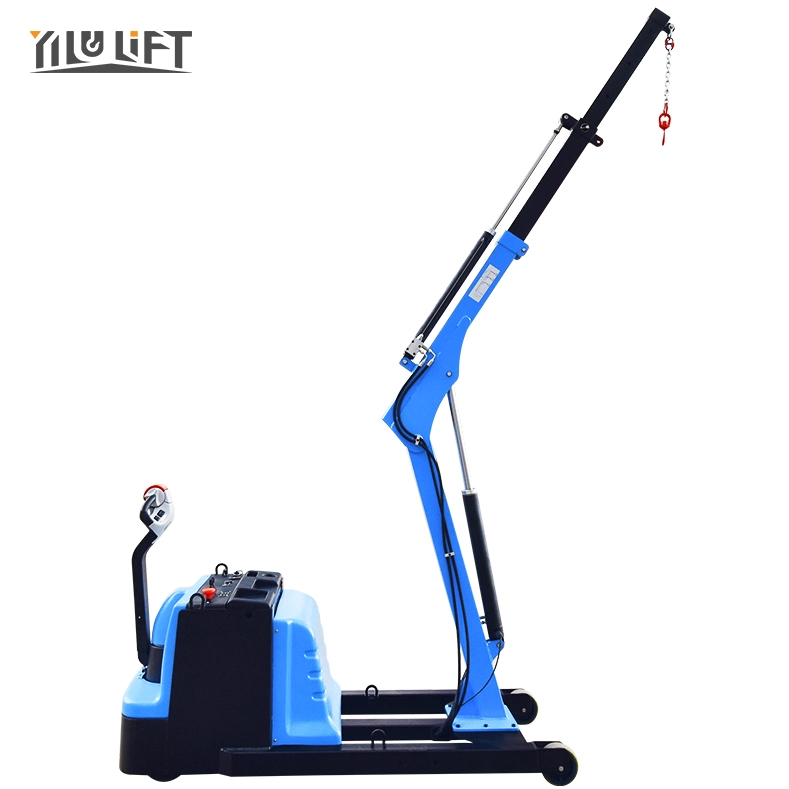
Although spider cranes manage intricate hoists, floor cranes offer key backup in shops and inner spaces. YILU LIFT powered floor cranes deliver easy movement, firm hoisting, and lessened physical strain for item transport duties.
These units commonly pair with spider cranes for phased hoisting, gear setup, or repeated actions where upper access lacks necessity.
Combined Use Scenarios In Real Job Sites
Numerous expert handlers merge spider cranes and floor cranes to address broader duties with reduced equipment. Such methods boost productivity while maintaining sensible and adaptable gear spending.
What Red Flags Should Buyers Watch For To Avoid Substandard Spiders And Cranes?
Recognizing pitfalls to evade holds equal importance to identifying worthwhile purchases. Inferior cranes often display shared cautions that emerge soon if observers pay attention.
This closing query centers on frequent concerns that merit worry amid assessments.
Inconsistent Load Charts And Dubious Specifications
Should listed hoist charts appear excessively hopeful or omit solid trial sources, wariness is essential. Trustworthy makers supply practical figures supported by approvals.
Poor Welding, Weak Components, And Safety Omissions
Evident weld flaws, slender panels, or absent protective traits generally signal underlying troubles. These economies might trim initial costs but amplify future hazards.
Lack Of Testing Records And After-Sales Guarantees
If providers fail to furnish trial logs or defined aid plans, acquirers risk isolation during issues. Recognized names like YILU LIFT lessen such dangers via open records and aid frameworks.
FAQ
Q1: What is the biggest difference between a high-quality and a low-quality spider crane?
A: The main distinction rests in framework durability, protective setups, and sustained dependability. Superior spider cranes uphold steady operation under weights and receive proper approvals along with service.
Q2: Are spider cranes suitable for indoor projects?
A: Yes. Small spider cranes, like those from YILU LIFT, find common indoor use owing to their minimal space needs, light surface impact, and exact handling.
Q3: Why consider a floor crane together with a spider crane?
A: Floor cranes manage basic hoisting and item shifts effectively. Employing both lets groups select fitting tools per task, enhancing processes and cutting excess strain on bigger units.
