



Mechanical vs. Electronic: Exploring the 3 Types of Vacuum Gauges in Industrial Lifting
Mechanical vs. Electronic: Exploring the 3 Types of Vacuum Gauges in Industrial Lifting
Vacuum gauges might seem like tiny parts in a lifting setup, yet in industrial material handling, they quietly determine if a lift runs smoothly or turns hazardous. From installing glass sheets to managing heavy panels, the method of measuring vacuum pressure influences safety inspections, worker assurance, and the entire workflow on the job.
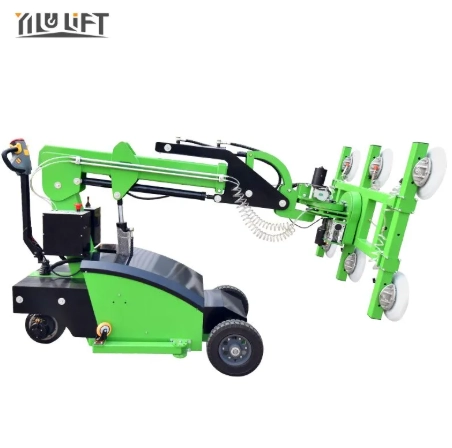
In today’s lifting tools, vacuum gauges mainly divide into mechanical and electronic types, while a third practical category emerges from how these setups integrate into the lifting devices. Grasping these distinctions aids purchasers in selecting gear that suits actual site demands, instead of merely relying on listed specifications. Here, YILU LIFT’s product lineup provides straightforward, hands-on illustrations.
What Are the Key Differences Between Mechanical and Electronic Vacuum Gauges?
Prior to examining lifting systems, it proves helpful to examine how each gauge variety functions in routine tasks. The main distinction lies not only in the technology, but also in the manner that data reaches operators amid a lift.
Mechanical Gauge Basics
Mechanical vacuum gauges depend on physical motion, typically via springs or diaphragms, to indicate pressure levels, and the display appears as a straightforward analog dial.
Shifting from concepts to real use, mechanical gauges shine due to their basic design. They lack sensors that demand adjustment or displays prone to breakdown. For numerous lifting operations, particularly quick glass maneuvers, this gauge style remains dependable. Workers can quickly check the dial and spot if the suction maintains its grip.
At work areas filled with dirt, shakes, or varying temperatures, mechanical gauges often endure better. Such toughness accounts for their ongoing popularity in basic and moderate vacuum lifters.
Electronic Gauge Overview
Electronic vacuum gauges employ sensors to detect pressure and transform it into digital outputs, which can activate alarms, warning lights, or even automated reactions in the system.
In contrast to mechanical types, electronic versions deliver finer details. Rather than vague zones of acceptable or poor pressure, users view precise figures along with caution signals. This proves particularly handy in intricate lifting jobs involving bulkier loads or delicate substances.
Electronic gauges frequently connect with power sources, distant controls, or twin vacuum paths. They blend seamlessly into sophisticated lifting units where safety verifications occur steadily, rather than solely at the lift’s outset.
Direct Comparison of Performance and Accuracy
When lined up directly, no gauge style claims overall superiority. Mechanical ones excel in sturdiness and user-friendliness, whereas electronic options surpass in precision, information provision, and safety linkage.
Within actual lifting settings, the selection frequently hinges on the weight of the load, the nature of the material, and the degree of automation desired by the user. YILU LIFT crafts its tools with this equilibrium in mind, avoiding a single fix for all tasks.
Why Do Different Industrial Lifting Scenarios Require Different Vacuum Gauges?
Every lifting job does not pose identical risks or precision needs, since glass panels, stone pieces, and metal plates respond uniquely when airborne.
Application Needs in Glass Installation
Handling glass ranks among the top uses for vacuum lifters, as the substance proves breakable, level, and typically managed in sheltered or partly regulated spaces.
For these situations, straightforward pressure views hold greater importance than elaborate details. Plenty of workers favor uncomplicated gauges that offer swift visual proof prior to shifting a sheet. Mechanical gauges perform adequately in such cases, particularly for routine glass sizes applied in building fronts or indoor setups.
Heavy Duty and Precision Lifting Requirements
When loads increase in mass, safety buffers narrow considerably. Oversized glass sheets, mixed boards, or insulated sections impose stricter controls on suction.
Here, electronic gauges instill added trust, since live notifications alert users before pressure slips into dangerous territory. Certain setups even block lifts if vacuum strength falls short. This feedback cuts down on uncertainty and cuts accident chances on crowded sites.
Cost vs. Functionality Considerations
Finances invariably factor in. Systems with mechanical gauges tend to run cheaper and demand simpler upkeep. Electronic setups carry higher initial prices, yet they might cut costs over time through less idle periods or fewer mishaps.
Purchasers typically seek tools that align with their present duties without complicating everyday routines. YILU LIFT’s collection mirrors this mindset, presenting varied gauge options throughout its lines.
Which YILU LIFT Products Best Illustrate Mechanical and Electronic Vacuum Gauge Use?
YILU LIFT emphasizes workable lifting aids, particularly for glass work and factory setups. Every product line spotlights a unique method for overseeing vacuum.
300–800kg LD Series Glass Vacuum Lifter
The LD Series targets modest to fair-duty glass lifts, with capacities spanning 300 to 800 kg, suiting typical placement jobs like shopfront glass, frames, and room dividers.
This line generally employs direct vacuum oversight, leaning toward evident mechanical gauges paired with essential electrical safeguards. The arrangement proves simple to master and fast to verify, ideal for groups prioritizing pace and steadiness over intricate commands.
For countless builders, this mix shortens learning curves while fulfilling site safety norms.
400–1000kg HD Series Vacuum Lift
The HD Series steps into weightier realms, both in capacity and setup intricacy, offering lifts up to 1000 kg for major glass pieces and tough ventures.
Electronic vacuum gauges take a prominent position in this model, as it backs dual circuits and cordless remotes, ensuring pressure tracking persists through the entire lift. Users get timely alerts, well before any decline occurs.
This layout fits endeavors demanding ongoing and exact safety reviews, notably during elevated work or with expansive sheets.
400–1600kg Simple Design Series Vacuum Lift
The Simple Design Series appeals to those seeking robust capacity minus excess complexity, handling up to 1600 kg for dense substances while maintaining a basic framework.
Oversight of vacuum here prioritizes utility above style, and based on the choice, it merges solid readings with fundamental electrical aid. The core notion stays plain: potent lift strength, plain pressure signals, and reduced parts vulnerable to harsh settings.
This method thrives in plants or storage areas where lifts recur each day and interruptions must remain minimal.
How Do Mechanical and Electronic Gauges Impact Safety and Efficiency in Lifting?
Vacuum gauges affect not only safety, but also the ease with which tasks advance over the shift.
Safety Monitoring with Mechanical Gauges
Mechanical gauges provide instant visual proof, so when pressure wanes, workers notice it promptly, which cuts down on mix-ups and directs focus toward the payload.
That said, these systems lean heavily on user vigilance, meaning if a gauge goes unchecked, issues might slip by unnoticed, thus stressing the need for solid training and unobstructed views.
Real-Time Data and Alerts with Electronic Gauges
Electronic gauges layer on safeguards through sounds, lights, and self-locking features, which lessen error risks from people.
In hectic spots, such elements let teams operate quicker without skimping on care, as users devote less effort to rechecking dials and more to steering loads securely to position.
Efficiency Gains in Automated Lifting
With lifting gear growing more automated, electronic gauges integrate smoothly into operational flows, where pressure scans run quietly, enabling fluid on-off sequences and slimmer halts.
For firms processing ample materials, this boosts output markedly without expanding the workforce.
What Should Buyers Consider When Choosing a Vacuum Gauge for Industrial Lifting?
Picking the proper gauge arrangement begins by assessing true work surroundings, rather than perfect scenarios.
Load Capacity and Material Type
Bulkier payloads and breakable items call for tighter pressure oversight, so electronic gauges often align well, while lighter, standard lifts might suffice with simpler monitoring.
Precision and Control Requirements
When tasks feature turning, angling, or extended hangs, in-depth pressure info gains worth, but for plain upward pulls, fundamental gauges could do the job.
Long-Term Maintenance and Support
Mechanical gauges swap out easily and repair simply, whereas electronic ones require reliable backing and sturdy parts, and partnering with a maker like YILU LIFT aids in weighing output against service access.
FAQ
Q1: Are electronic vacuum gauges always safer than mechanical ones?
A: Not always, because while electronic gauges supply extra notifications and details, overall safety hinges on the system’s build and user preparation, and mechanical gauges can prove quite secure with right handling.
Q2: Which YILU LIFT series is best for first-time vacuum lifter buyers?
A: The LD Series often serves as a solid entry, delivering plain pressure tracking, fitting capacity, and easy use.
Q3: Do vacuum gauges require frequent calibration?
A: Mechanical gauges typically demand little adjustment, but electronic ones might need regular reviews, based on operation and surroundings.
