



What Are the Key Differences Between Articulating and Boom Lifts
What Are the Key Differences Between Articulating and Boom Lifts
When people talk about aerial work platforms, two common choices stand out. These are articulating lifts and boom lifts. Workers use them in many fields. This includes construction and upkeep jobs. Yet, each type has special traits. These traits fit certain jobs better. If you want clear details on how they differ, this piece will explain the main points. It will help you pick the right one for your work.
At YILU LIFT, we focus on strong lifting tools. We serve areas like construction, farming, and factory care. Our aerial work platforms include the Towable Boom Lift and Crawler Boom Lift. They give top results in tough spots. Here, we point out what sets articulating lifts apart from boom lifts.
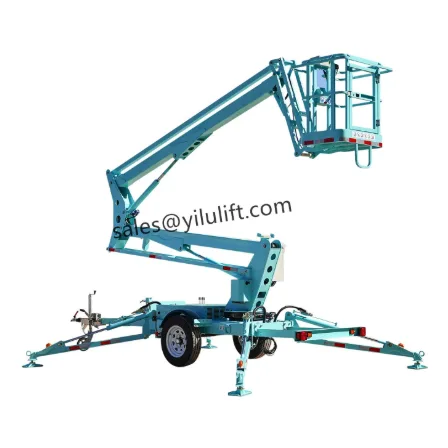
What Is the Difference Between an Articulating Lift and a Boom Lift?
At first look, articulating lifts and boom lifts appear alike. But, they suit different skills. Knowing these gaps lets you select the best lift for your task.
Articulating Boom Lifts Explained
Articulating lifts go by another name too. People call them “knuckle boom lifts.” They have linked arms that bend. This setup lets the lift twist in many ways. It gives extra freedom. Articulating lifts can go up and past barriers. So, they work well in tricky spots. Think of cramped areas or busy build sites. Or places hard to get to.
Take YILU LIFT’s Crawler Boom Lift as an example. It moves with ease. And it reaches up to 22 meters. This unit fits farm builds or outside fixes. There, quick turns and bendy moves matter most.
Traditional Boom Lifts Explained
In contrast, standard boom lifts keep things simple. They use a straight arm that stretches up. Boom lifts mainly raise people high. They offer a firm base for jobs. Such as caring for structures, washing glass, or putting up signs above. Boom lifts do not bend around things like articulating ones. Still, they shine in ease and steadiness. This holds true in wide open zones.
Look at YILU LIFT’s Towable Boom Lift. It climbs high, up to 24 meters. It suits business and plant uses. The base holds up to 300kg. It works great for top-level fixes in clear areas.
Key Differences Between Articulating and Boom Lifts
In short, the big gap sits in bendy freedom of articulating lifts. Boom lifts win with straight height and firm hold. Articulating lifts go over hurdles. Boom lifts rule in tall, steady reaches.
How Do Articulating and Boom Lifts Compare in Terms of Applications?
It helps to know best uses for each lift. This guides your pick for the job. Sites vary. Tasks differ. The right gear boosts speed.
Ideal Applications for Articulating Lifts
Articulating lifts suit jobs in snug spots or near blocks. Their bendy arms dodge buildings, trees, or other items. They fit care work, tree cuts, or glass washes in city areas. Plus, they help fix plant gear blocked by nearby parts.
For instance, YILU LIFT’s Crawler Boom Lift shines in farm builds. It rolls over bumpy ground. This makes it top for lands boom lifts can’t touch. Uneven dirt or tight corners? The lift’s bends get the work done fast.
Best Uses for Boom Lifts
Boom lifts fit tall jobs in clear, open spots. They handle sky-high care, window scrubs, or sign hangs on big structures. They give strong balance. Workers feel safe up high.
Take YILU LIFT’s Towable Boom Lift. It rules open zones. It offers a solid spot for structure fixes or top gear sets. The base takes 220-300kg. It carries people and tools safely way up.
How to Choose the Right Lift for Your Job
Picking the correct lift looks at a few things. Think site layout. Needed height. Room to move. In crowded or blocked areas, grab an articulating lift. Try the Crawler Boom Lift. But for steady tall work in wide spots, pick a boom lift. The Towable Boom Lift fits best.

What Are the Weight Capacities of These Lifts?
Load limit matters a lot in picking an aerial lift. It touches balance and job types. See how articulating and boom lifts stack up here.
Articulating Lift Weight Capacity
Most times, articulating lifts hold less weight than boom lifts. Their bendy build spreads load over joints. This cuts max carry. Yet, they handle light duties fine. Good for small fixes or care tasks.
For example, the YILU Crawler Boom Lift takes up to 300kg. It suits light lifts needing bends and reach.
Boom Lift Weight Capacity
Boom lifts focus on firm design. So, they carry more weight. This fits tough lifts. Especially with many people or big tools.
YILU LIFT’s Towable Boom Lift holds up to 300kg on the base. It works for many jobs in plants or shops. Strong build keeps steady at tall heights. Ideal for heavy loads.
Capacity vs. Stability: How to Balance Your Needs
Your needed load ties to the job. How much gear or people go up? For big loads, boom lifts with high limits win. For smaller tasks, articulating lifts offer bends and good reach.
What Safety Features Are Incorporated in These Lifts?
Safety comes first with aerial lifts. Both kinds have built-in guards. They protect workers and gear.
Safety Features in Articulating Lifts
Articulating lifts add extra supports. This helps on bumpy or rough ground. Bends around items mean watch for tips. Many units, like YILU’s Crawler Boom Lift, have outriggers. They boost steady hold in use.
Safety Features in Boom Lifts
Boom lifts suit simple jobs. They give great balance up high. They include quick stops, overload guards, and valves. These stop too much weight.
For example, the Towable Boom Lift from YILU LIFT has safety valves. Plus overload protection. It keeps operators and tools safe on top tasks.
Comparing Safety: Which Lift Is Safer for Your Job?
Both lifts stay safe with right use. But needed guards depend on ground, height, and task twists. Articulating lifts like the Crawler Boom Lift need steady focus on rough land. Boom lifts like the Towable Boom Lift ensure firm hold in open spots.
How Do the Mobility and Terrain Suitability Differ Between Articulating and Boom Lifts?
A huge split comes in movement and ground fit.
Mobility of Articulating Lifts
Articulating lifts move more. They handle rough or bumpy ground well. Bendy arms plus small size fit tight build sites. Or natural spots like farms.
For example, YILU’s Crawler Boom Lift fits farm and build needs. Tracks grip firm. They steady on tough surfaces. Boom lifts struggle here.
Mobility of Boom Lifts
Boom lifts suit flat, open ground. Simple, heavy build cuts quick moves. But they excel where steady matters. Good on smooth build floors.
For example, YILU’s Towable Boom Lift works in wide plant areas. It needs flat rolls.
Which Lift Is Better for Outdoor Work?
For bumpy sites, pick the articulating Crawler Boom Lift. It handles well. In steady, wide spots, the boom lift like the Towable Boom Lift gives top balance and height support.
Conclusion
Articulating lifts and boom lifts each bring clear wins. It depends on the job. Articulating ones give bends and reach in tight spots. Boom lifts shine in steady tall work in open areas. When picking, think space, ground, and load needs.
At YILU LIFT, we sell many items. Like the Towable Boom Lift and Crawler Boom Lift. They meet varied work demands. Whether it’s farm work, construction, or plant maintenance, we can handle elevator repairs for you.
FAQ
Q1: Can articulating and boom lifts be used indoors?
A: Yes, both work inside. Articulating lifts fit tight or blocked indoor spots best. Boom lifts suit open indoor areas.
Q2: How long does it take to charge the batteries of a boom lift?
A: Charge times change by model. For instance, YILU LIFT’s Towable Boom Lift needs 6-8 hours for full power. This gives hours of steady run.
Q3: What maintenance is required for these lifts?
A: Keep both types in check often. Look at hydraulic oil. Test safety parts. Charge batteries right. For units like the Crawler Boom Lift, check tracks too. This keeps them running smooth.
