
Schwerlast-Scherenhubtische für den industriellen Einsatz
Schwerlast-Scherenhubtische für den industriellen Einsatz
Einführung
In der heutigen, geschäftigen Industrielandschaft sind Hebezeuge unverzichtbar für reibungslose Produktions- und Versandprozesse. Fabriken montieren große Maschinen, und Lager verwalten täglich ihren Warenbestand. Der Umgang mit schweren Lasten erfordert sorgfältige Kontrolle, sicheres Gleichgewicht und zuverlässige Sicherheitsvorkehrungen. Scherenhubtische erfüllen diese Anforderungen optimal.
Diese Vorrichtungen heben und senken schwere Gegenstände mit höchster Präzision und Festigkeit. Sie reduzieren die körperliche Anstrengung der Arbeiter und beschleunigen gleichzeitig den gesamten Arbeitsablauf. scherenlifttisch Es leistet mehr als nur den Transport von Gütern. Es verändert die täglichen Abläufe, indem es Verzögerungen und Verletzungen am Arbeitsplatz reduziert.
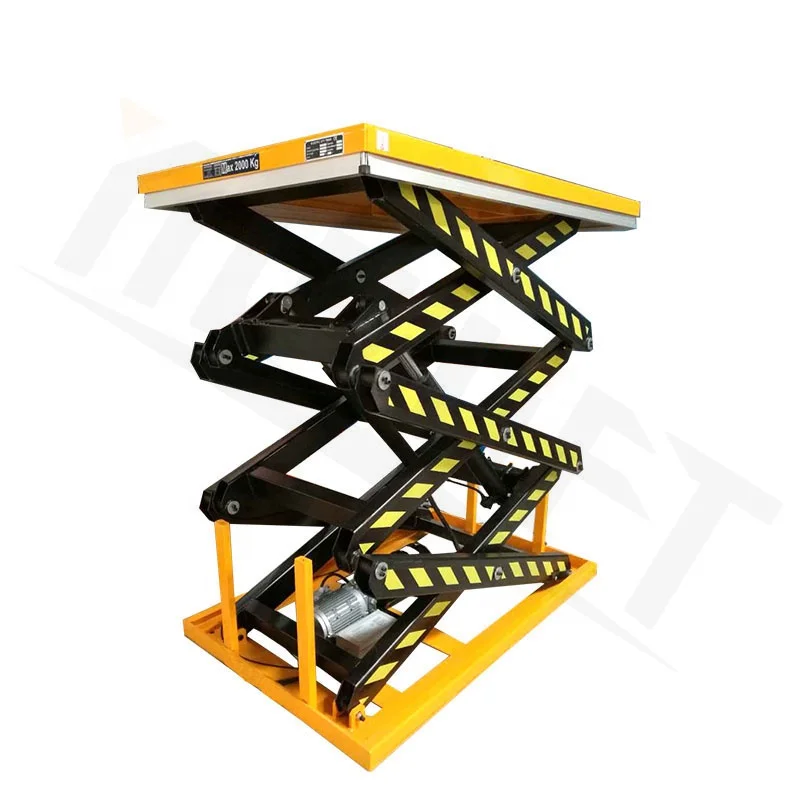
Je schwieriger die Baustellen werden, desto größer wird der Bedarf an robusten Hebezeugen. YILU LIFTEin zuverlässiger Hersteller in diesem Bereich liefert robuste Schwerlast-Hebesysteme. Diese werden gemäß internationaler Industriestandards gefertigt. Präzision und geprüfte Langlebigkeit zeichnen die Produkte aus.
Was sind Schwerlast-Scherenhubtische?
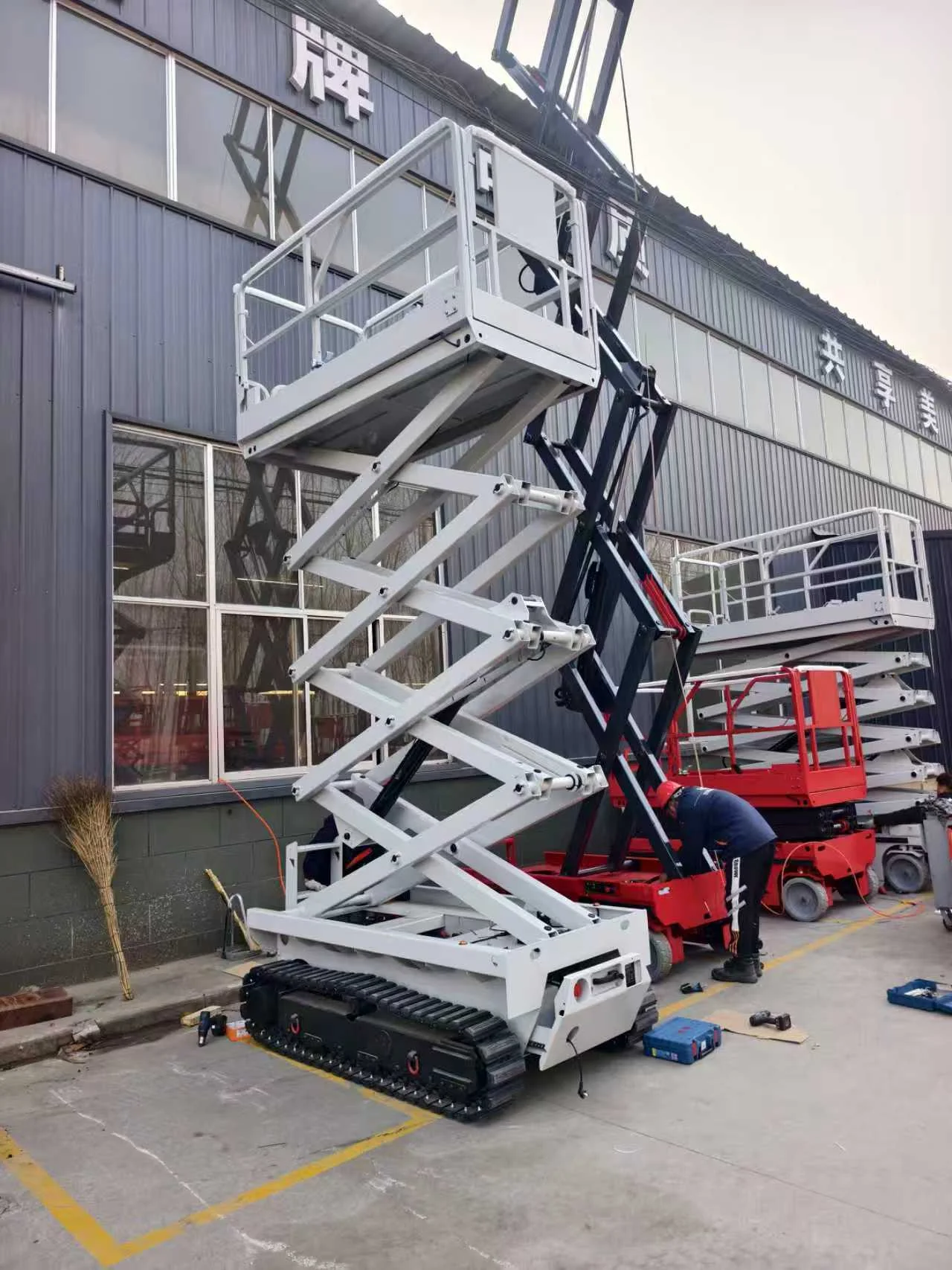
Ein Schwerlast-Scherenhubtisch dient als mechanische Basis. Er nutzt eine kreuzende Armkonstruktion, ähnlich einer Schere, um Gegenstände geradlinig nach oben oder unten zu bewegen. Die Konstruktion besteht üblicherweise aus drei Hauptteilen.
Zuerst kommt die Plattform. Sie trägt das Gewicht. Dann folgt der Scherenmechanismus. Die klappbaren Arme fahren aus oder ein, um die Ebene zu verändern. Schließlich setzt das Hydrauliksystem ein. Es ermöglicht mithilfe von unter Druck stehender Flüssigkeit auch vertikale Verschiebungen.
Diese unterscheiden sich von den einfacheren Ausführungen für leichtere Arbeiten. Schwerlastmodelle eignen sich für große Fabrikhallen. Dort sind höchste Belastbarkeit und Zuverlässigkeit entscheidend. Sie bewältigen Lasten von mehreren tausend Kilogramm und das nahezu vibrationsfrei im Betrieb.
Fest installierte Hebebühnen ermöglichen gleichmäßige Hubvorgänge und eignen sich für vielfältige Anwendungen. Diese Eigenschaft macht sie ideal zum Transport von Gütern zwischen Fertigungslinien oder zur Höhenverstellung an Montageplätzen. In Fabriken ist Präzision ebenso wichtig wie reine Kraft.
Hauptmerkmale von Schwerlast-Scherenhubtischen
Die besonders robusten Ausführungen vereinen zahlreiche intelligente Eigenschaften für anspruchsvolle Einsatzbereiche.
|
Besonderheit |
Beschreibung |
|
Hohe Belastbarkeit |
Sie sind für Lasten von Hunderten bis zu einigen Tausend Kilogramm ausgelegt und eignen sich hervorragend für den Produktions- und Versandbereich. |
|
Verstärkte Konstruktion |
Gefertigt aus robusten Stahlrahmen. Dadurch wird ein Verbiegen auch unter hoher Belastung verhindert. |
|
Hydraulische/elektrische Systeme |
Ermöglicht gleichmäßiges Anheben mittels Hydraulikzylindern. Oder elektrischer Antriebe, je nach Bedarf. |
|
Strapazierfähige Materialien |
Beschichtungen, die Rost widerstehen. Dazu Gelenke mit geringem Verschleiß. Sie halten auch unter rauen Bedingungen jahrelang stand. |
|
Sicherheitssysteme |
Ein Überlastschutz verhindert, dass die Ausrüstung ihr maximales Gewicht überschreitet. Weitere Sicherheitsmerkmale sind Schnellstopp-Tasten und Sicherheitsverriegelungen. Ventile schützen die Hydraulikleitungen. All dies verhindert plötzliches Absinken oder Verschütten im Betrieb. |
Diese Bauteile machen die Hebebühnen von Natur aus robust und sicher. Das ist in jedem Arbeitsbereich entscheidend, insbesondere dort, wo ein hohes Risiko besteht. Nehmen wir beispielsweise ein stark frequentiertes Automobilwerk – die Bediener verlassen sich auf diese Stabilität, um Unfälle während langer Schichten zu vermeiden.
Industrielle Anwendungen
Schwerlast-Scherenhubtische kommen in verschiedenen Bereichen zum Einsatz.
- Fertigungs- und Montagelinien:Sie positionieren die Teile in einer für die Arbeiter am Band angenehmen Höhe.
- Lagerhallen:Ideal zum Stapeln oder Entladen von Paletten. Gabelstapler werden nicht jedes Mal benötigt.
- Wartung & Reparatur:Für die Reparatur großer Maschinen oder Getriebeteile gibt es feste Gehaltserhöhungen.
- Logistik & Materialfluss:Sie erleichtern das Umladen von Lasten von Lastwagen auf Förderbänder oder obere Regale.
- Automobil- und Schwermaschinenindustrie:Unverzichtbar für die Montage von Motoren oder Rahmen. Oder von großen mechanischen Konstruktionen, alles ohne zusätzliche Gefahren.
Die Scherenhebebühne ist robust gebaut. Sie trägt schwere Lasten problemlos, bewegt sich mühelos über unebenes Gelände und meistert Kurvenfahrten reibungslos. Daher wird sie häufig in modernen Logistikzentren, im Luftfrachtbereich und bei der Herstellung und Reparatur großer Maschinen eingesetzt. In einem Fallbeispiel konnte ein Lager im Mittleren Westen die Ladezeit durch die Anschaffung dieser Hebebühnen um 20 % reduzieren – ein äußerst praktisches Hilfsmittel. Diese Eigenschaften machen sie zu unverzichtbaren Helfern, wenn präzises Anheben auf hohe Arbeitslasten erfolgt.
Vorteile für die industrielle Nutzung
Die Anschaffung eines robusten Scherenhubtisches bringt deutliche Vorteile.
- Arbeitssicherheit:Es reduziert den Kraftaufwand beim Umgang mit sperrigen Gegenständen. Dadurch sinkt das Verletzungsrisiko erheblich. Denken Sie an die häufigen Rückenschmerzen durch wiederholtes Heben – sie treten jetzt viel seltener auf.
- Effizienzgewinne:Die Hydraulik beschleunigt die Be- und Entladevorgänge und sorgt für ein gleichmäßiges Tempo.
- Genaue Positionierung:Perfekt für Feinarbeiten. Selbst kleinste Anpassungen im Millimeterbereich gelingen mühelos.
- Vielseitigkeit:Sie funktionieren drinnen wie draußen. Auf Betonböden, in Metallwerkstätten oder Versandzentren.
- Kosteneinsparungen im Laufe der Zeit:Weniger Personalbelastung bedeutet geringere Kosten für Verletzungen. Und langfristig einen reibungsloseren Ablauf.
Regelmäßige Wartung umfasst einfache Kontrollen. Prüfen Sie den Hydraulikölstand, die Seilfestigkeit und die Schweißnähte auf Risse. Bei sachgemäßer Wartung halten diese Hebebühnen lange. Sie sind nicht immer perfekt – nach starker Beanspruchung kann es gelegentlich zu kleineren Leckagen kommen, die sich aber mit einfachem Werkzeug beheben lassen.
Arten von Scherenhubtischen
Verschiedene Berufe erfordern unterschiedliche Arbeitsstile.
- Mobile ScherenhubtischeSie werden von Hand geschoben oder von kleinen Fahrzeugen gezogen. Sie bieten Flexibilität an Orten mit wechselnden Gegebenheiten. Arbeiter können sie problemlos von Station zu Station rollen.
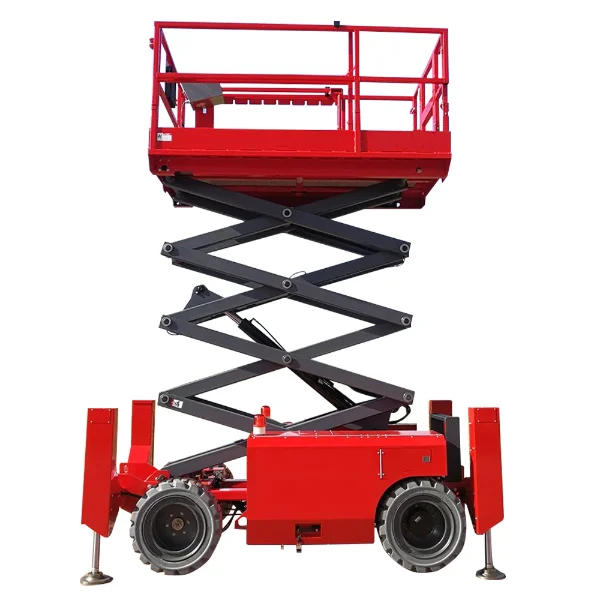
- Stationäre Scherenhubtische– Zur Befestigung an Seilen oder in Gruben. Ideal für gleichmäßige Auf- und Abwärtsbewegungen in einem Bereich.
- Elektrische vs. hydraulische ModelleElektrische Geräte arbeiten sauber in Innenräumen und sind wartungsarm. Hydraulische Geräte hingegen sind dort im Einsatz, wo hohe Leistung gefragt ist.
- Benutzerdefinierte KonfigurationenKunden werden gebeten, Angaben zu Tragfähigkeit, Plattformgröße, Hubhöhe und speziellen Anforderungen zu machen, damit ein passendes Angebot erstellt werden kann. Maßgeschneiderte Lösungen gewährleisten, dass jede Installation optimal auf den jeweiligen Einsatzzweck abgestimmt ist. So benötigte beispielsweise ein Kunde zusätzliche Breite für unregelmäßig geformte Kisten, und die Anpassung verlief reibungslos.
Warum YILU LIFT wählen?
YILU LIFT glänzt durch solide Konstruktionen und tiefgreifendes Know-how.
- Qualifizierte Forschungs- und Entwicklungsteams führen strenge Tests durch. Sie prüfen die Belastbarkeit unter härtesten Bedingungen.
- Das breite Spektrum reicht von kleinen, fahrbaren Einheiten bis hin zu riesigen, gestapelten Hydraulikaggregaten.
- Alle Teile erfüllen internationale Sicherheitsstandards, wie z. B. die CE-Kennzeichnung.
- Jahrelange Versanderfahrung nach Europa, Asien-Pazifik und Nordamerika schafft Vertrauen. Der Support umfasst technische Beratung und weltweite Nachbetreuung.
- Individuelle Anpassungen ermöglichen die Nutzung beengter Räume oder spezieller Anforderungen. Denken Sie an größere Reichweiten oder explosionsgeschützte Konstruktionen für Risikobereiche.
Diese Kombination aus sorgfältigem Design und schnellem Service macht YILU LIFT zu einer soliden Wahl für Hebetechnik in Fabriken.
Abschluss
Schwerlast-Scherenhubtische sind in modernen Produktionsanlagen und Lagerhallen unverzichtbar. Dort stehen Geschwindigkeit und Sicherheit im direkten Konflikt. Sie bewältigen hohe Lasten und bleiben dabei stabil. So ermöglichen sie reibungslose Arbeitsabläufe. Gleichzeitig schützen sie Mitarbeiter und sorgen für einwandfreie Warenqualität. Gefertigt aus langlebigen Materialien und ausgestattet mit integrierten Schutzfunktionen wie Überlastschutz und Schnellstopp, bieten diese Geräte höchste Zuverlässigkeit. In der Praxis haben sie beispielsweise Ölraffinerien geholfen, täglich Lasten von 5 Tonnen fehlerfrei zu handhaben.
Für Sportplätze, die zuverlässige Hebemöglichkeiten mit professioneller Konstruktion und umfassendem Service suchen, bietet YILU LIFT innovative Ideen und beständige Ergebnisse bei jeder einzelnen Anlage. Für weitere Informationen oder Produktanfragen, Kontaktieren Sie YILU LIFT um maßgeschneiderte Hebelösungen zu erkunden.
FAQs
Frage 1: Wie hoch ist die Tragfähigkeit von Schwerlast-Scherenhubtischen?
A: Je nach Ausführung können diese Aufzüge Lasten von 500 kg bis zu mehreren Tonnen heben. Sie eignen sich für die Anforderungen von Fabriken, die schwere Lasten bewegen müssen.
Frage 2: Sind Scherenhubtische für den kontinuierlichen industriellen Einsatz geeignet?
A: Ja. Dank robuster Rahmen und verschleißfester Hydraulikkomponenten laufen sie zuverlässig. Selbst im 24-Stunden-Schichtbetrieb.
Frage 3: Welche Sicherheitsmerkmale sind bei industriellen Scherenhubwagen enthalten?
A: Gängige Beispiele sind Überlastschutzvorrichtungen, Not-Aus-Schalter und Absperrventile, die plötzliche Wasserabfälle verhindern. Mechanische Verriegelungen erleichtern ebenfalls die Wartung.
Frage 4: Können Scherenhubtische für spezielle Anwendungen angepasst werden?
A: Absolut – Plattformgrößen, Stromversorgungsarten (AC/DC), Hubhöhen und Steuerungselemente werden alle an die jeweiligen Standort- oder Aufgabenbeschränkungen angepasst.
Frage 5: Bietet YILU LIFT weltweiten Support und Kundendienst an?
A: Ja. YILU LIFT bietet weltweiten technischen Support. Dieser umfasst Einrichtungstipps, Ersatzteilbeschaffung und Fernwartung – alles für eine dauerhafte Leistungsfähigkeit Ihrer Geräte rund um den Globus.