
Wie sich die Raupenarbeitsbühnen und Kettenarbeitsbühnen von YILU in unwegsamem Gelände bewähren
Wie sich die Raupenarbeitsbühnen und Kettenarbeitsbühnen von YILU in unwegsamem Gelände bewähren
Einführung
Bau-, Instandhaltungs- und Industrieprojekte finden oft unter schwierigen Bedingungen statt – unebenes Gelände, schlammige Felder, steile Hänge oder beengte städtische Bereiche. Unter diesen Bedingungen ist der sichere und effektive Einsatz herkömmlicher Radhubschrauber schwierig. Hier kommen Ketten- oder Raupenhubschrauber zum Einsatz. Dank ihrer Bauweise bewältigen sie unwegsames Gelände mühelos, bewahren dabei die Balance und schonen den Boden.
YILU LIFT hat eine Auswahl an Raupenarbeitsbühnen entwickelt, die den Anforderungen von Arbeitern an solch anspruchsvollen Einsatzorten gerecht werden. Von Raupenarbeitsbühnen bis hin zu raupengetriebenen Arbeitsbühnen vereinen diese Geräte Stärke, Präzision und Anpassungsfähigkeit für zuverlässigen Zugang zur Höhe selbst unter schwierigsten Bedingungen.
Vorteile von kettengetriebenen Hubarbeitsbühnen
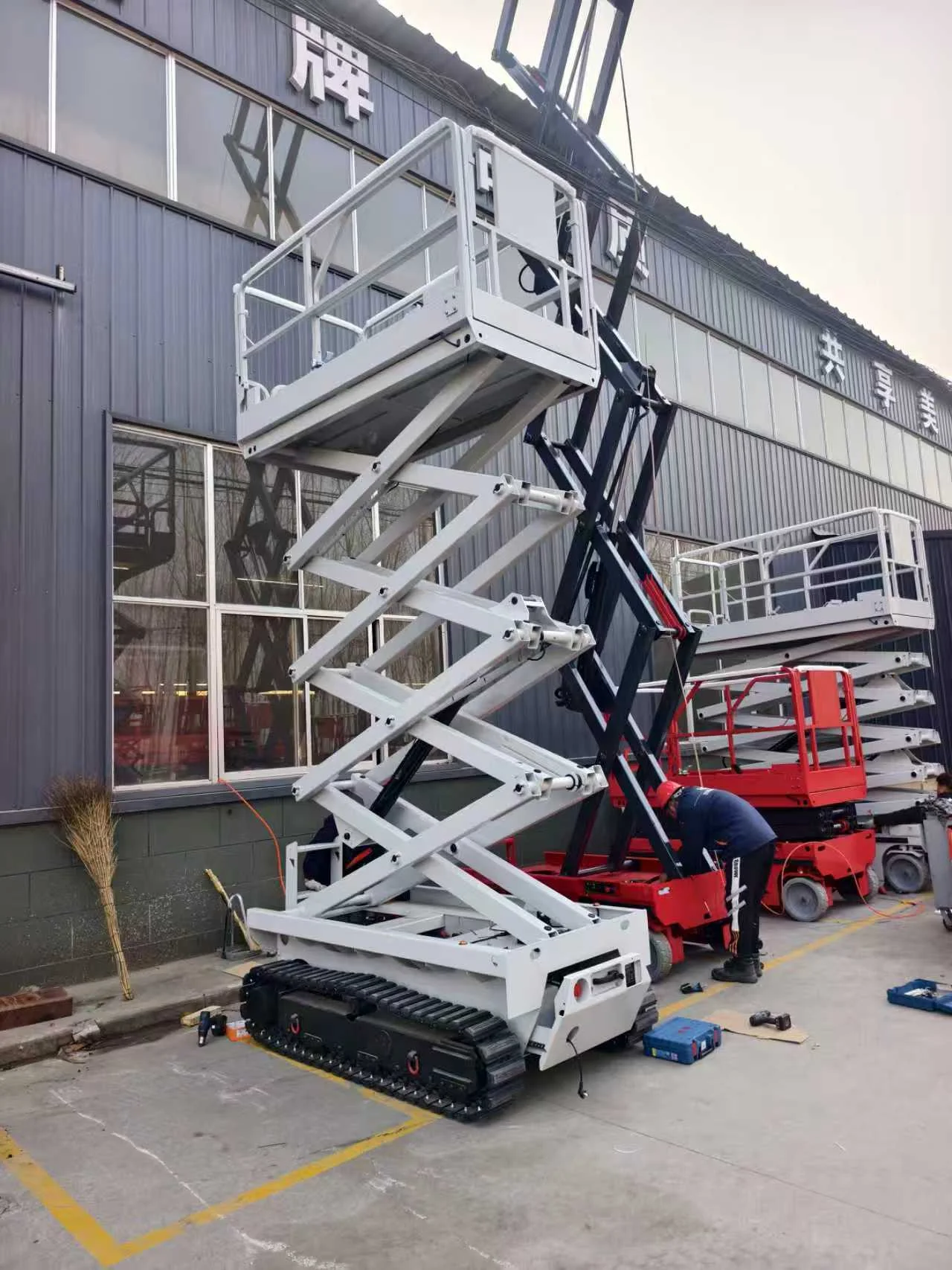
Raupenarbeitsbühnen sind so konstruiert, dass sie dort eingesetzt werden können, wo herkömmliche Radbühnen an ihre Grenzen stoßen. Ihre Gummiketten bieten sicheren Halt auf weichem Untergrund, Kies oder Schlamm. Dies ermöglicht eine stabile Fortbewegung ohne Rutschen oder Festfahren. Die Konstruktion mit geringem Bodendruck verteilt das Gewicht der Maschine gleichmäßig. Dadurch wird die Beschädigung der Oberfläche reduziert – ein entscheidender Vorteil beim Arbeiten auf Grünflächen oder empfindlichen Böden.
Ein weiterer entscheidender Vorteil ist ihre kompakte Bauweise. Viele Ausführungen verfügen über ein schmales Chassis. Dadurch können sie durch enge Tore oder Gebäudetüren fahren. Das macht sie ideal für Baustellen in der Stadt oder Reparaturarbeiten in beengten Innenräumen. Bediener schätzen die einfache Manövrierbarkeit dieser Maschinen. Gleichzeitig behalten sie ihre volle Hubkraft und Stabilität.
Leistung der YILU Raupenarbeitsbühnen
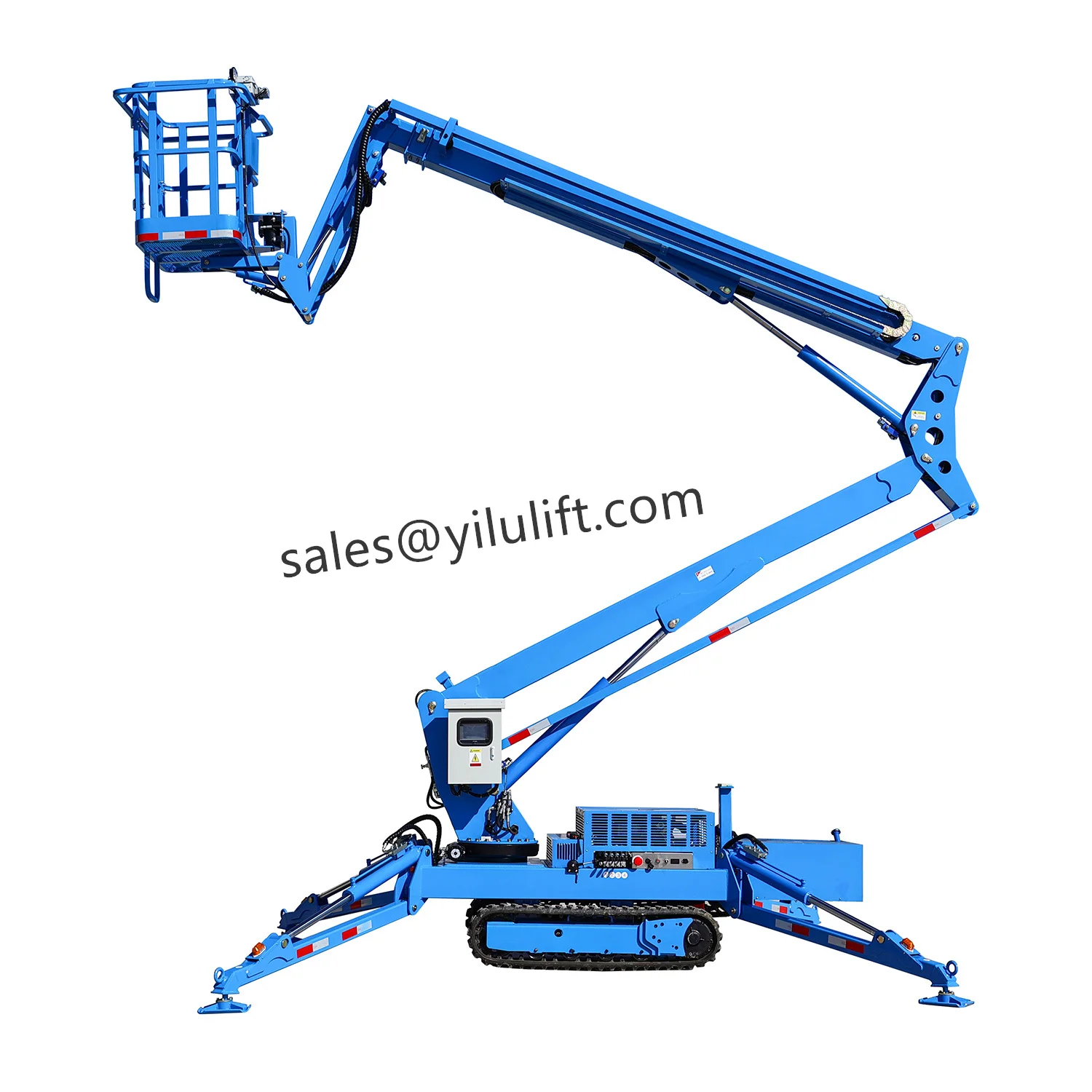
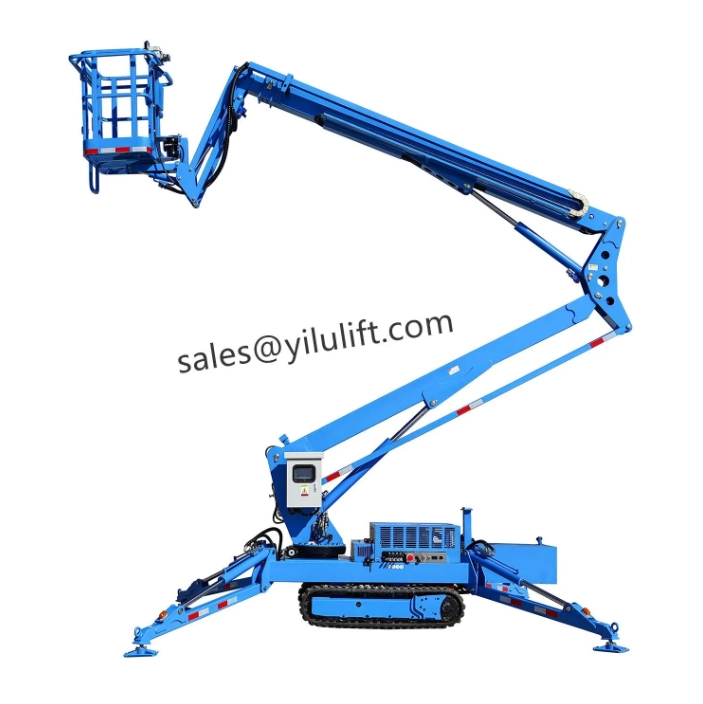
YILU Raupenarbeitsbühnen Sie sind für Flexibilität und Langlebigkeit in unterschiedlichem Gelände konzipiert. Sie verfügen über Dieselmotoren und bieten Arbeitshöhen von 10 bis 26 Metern. Sie eignen sich hervorragend für Arbeiten wie Überkopfmontagen, Malerarbeiten oder die Überprüfung von Bauwerken in unebenem Gelände.
Sie bewähren sich in unwegsamem Gelände, beispielsweise bei Bauarbeiten, Flughafendachreparaturen oder in der Landwirtschaft und Landschaftspflege, wo sich der Untergrund häufig ändert. Die hydraulischen Stützen sorgen selbst auf geneigten Flächen für einen sicheren Stand. Gleichzeitig hält das Selbstnivellierungssystem die Plattform selbstständig im Gleichgewicht – ein wesentliches Sicherheitsmerkmal bei Arbeiten in großer Höhe auf unebenem Gelände.
Diese Raupenarbeitsbühnen sind für dauerhafte Zuverlässigkeit auch bei intensiver Nutzung ausgelegt. Bediener können sich auf problemloses Manövrieren auf Schotterwegen oder schlammigem Untergrund verlassen. Sie müssen sich keine Sorgen um Umkippen oder Traktionsverlust machen.
YILU Raupenarbeitsbühnen / Raupenkrane für Arbeiten in der Höhe
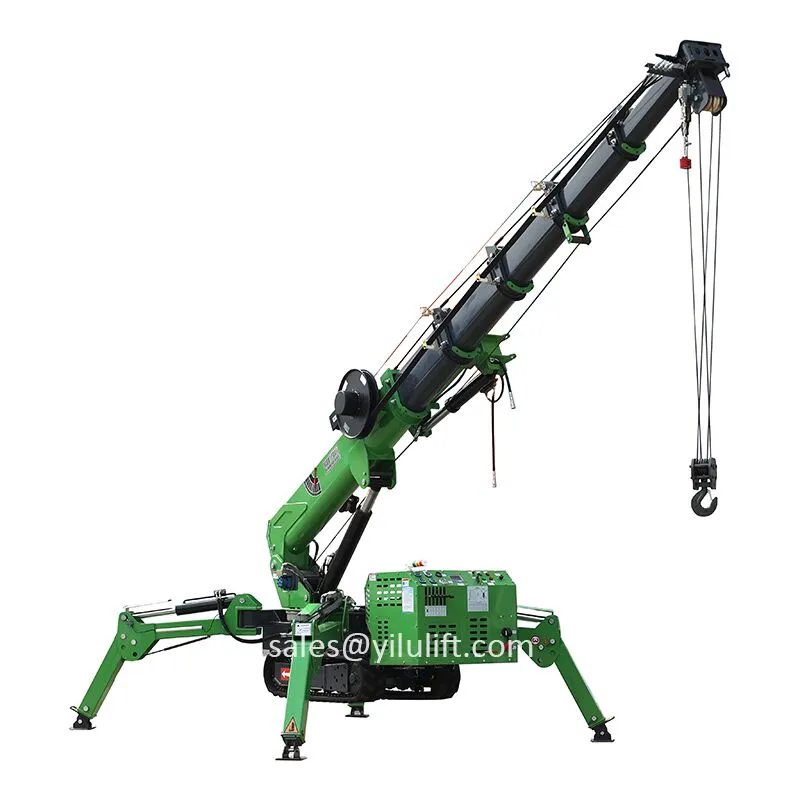
YILU LIFT's Raupenkran Die Raupenarbeitsbühnen dieser Baureihe (oft auch als Raupenarbeitsbühnen bezeichnet) zeichnen sich durch hervorragende Anpassungsfähigkeit dank ihrer Raupenketten in Kombination mit klappbaren hydraulischen Stützen aus. Kompakte Ausführungen verfügen über schmale Chassisbreiten (bei Mini-Modellen nur ca. 65–80 cm), Arbeitshöhen ab 6 Metern und Tragfähigkeiten ab 1 Tonne (typische Kleinmodelle schaffen 1–5 Tonnen bei einer Ausladung von ca. 6–10 Metern). Der Ausleger ist um 360° drehbar, und das Gummikettenfahrwerk ermöglicht ein reibungsloses Manövrieren auch in beengten Bereichen wie Kellern, Dächern, Einkaufszentren oder dicht bebauten Stadtgebieten.
Diese Geräte bewähren sich besonders an schwer zugänglichen Stellen, wo größere Maschinen nicht eingesetzt werden können. Viele Ausführungen verfügen über eine Fernbedienung für die präzise Steuerung aus sicherer Entfernung. Gleichzeitig schonen der geringe Bodendruck und die optimale Gewichtsverteilung empfindliche Böden. Hydraulische Stützen gewährleisten Stabilität auf unebenem Untergrund.
Die Raupenkrane von YILU erfüllen in zahlreichen Einsatzszenarien zwei Aufgaben – hauptsächlich das Heben von Materialien, wobei in bestimmten Modellen auch Personenzugangsplattformen (Arbeitskörbe) zur Verfügung stehen – wodurch sie sich für Hochgeschwindigkeitsbahnhöfe, Kraftwerksprojekte, Instandhaltungsarbeiten in Innenräumen oder Bauarbeiten eignen, die sowohl Hebearbeiten als auch Arbeiten in der Höhe in beengten Räumen erfordern.
Diese Vielseitigkeit macht die Raupenarbeitsbühnen von YILU zu flexiblen Optionen für den Einsatz in Gebäuden, der Gebäudepflege und in der Industrie.
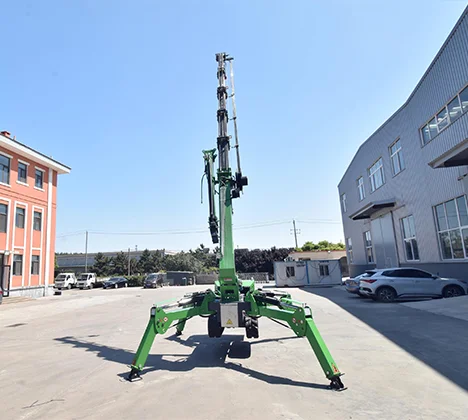
Hauptleistung unter schwierigen Bedingungen
Die Raupenfahrzeuge von YILU bewähren sich dank ihrer ausgeklügelten Konstruktion, die auf optimale Hanglage und Bodenfreiheit ausgelegt ist, auch unter schwierigen Baustellenbedingungen. Das Gummikettenfahrwerk bietet selbst auf feuchtem Lehm- oder felsigem Untergrund sicheren Halt. Zudem schützt es Oberflächen in Gebäuden.
Sicherheit steht bei jedem Design im Mittelpunkt – Überlastschutzsysteme verhindern eine zu hohe Belastung; Not-Aus-Funktionen bieten zusätzliche Sicherheit bei plötzlichen Ereignissen; alle Modelle entsprechen den CE-Normen für weltweite Sicherheitsgarantie.
Vergleicht man Kettenfahrzeuge mit Radfahrzeugen, ist die Entscheidung offensichtlich: Kettenfahrzeuge sind dort im Vorteil, wo Balance und Grip die wichtigsten Kriterien sind – insbesondere an schlammbedeckten Hängen oder in Gebieten mit weichem Boden, wo sich Räder schnell festfahren würden.
|
Besonderheit |
Tracked Platforms |
Fahrbare Plattformen |
|
Traktion |
Hervorragend geeignet für Schlamm, weichen Boden, Kies und Hänge |
Begrenzt; neigt zum Abrutschen/Sinken |
|
Bodendruck |
Geringer bis minimaler Oberflächenschaden |
Höher; Risiko für empfindliche Böden |
|
Stabilität |
Hervorragend mit hydraulischen Stützen und Selbstnivellierung |
Mäßig; erfordert festen Untergrund |
|
Zugangsfähigkeit |
Enge/begrenzte Bereiche; enge Tore/Eingänge |
Benötigt größeren Freiraum |
Bewährte Verfahren für den Betrieb schwieriger Standorte
Der Betrieb von Luftfahrzeugen in unwegsamem Gelände erfordert sorgfältige Planung und Aufmerksamkeit:
- Standortbewertung:Vor der Benutzung die Bodenfestigkeit und den Neigungswinkel prüfen, um festzustellen, ob Stützfüße für zusätzliche Stabilität erforderlich sind.
- Einrichtungsrichtlinien:Ausleger gleichmäßig platzieren; Selbstnivellierungsfunktionen vor dem Anheben von Personen aktivieren.
- Wartung:Ketten sollten frei von Schlammablagerungen gehalten werden; Hydraulikflüssigkeitsstände sollten regelmäßig kontrolliert werden; Dichtungen sollten nach Arbeiten in staubiger Umgebung untersucht werden.
- Bedienerschulung:Geschulte Bediener, die mit kettengetriebenen Systemen vertraut sind, reduzieren den Verschleiß und verbessern die Sicherheit auf der Baustelle insgesamt.
Regelmäßige Wartung verlängert nicht nur die Lebensdauer der Maschine, sondern gewährleistet auch eine gleichbleibende Leistungsfähigkeit unter verschiedenen Baustellenbedingungen.
Warum Sie sich für YILU LIFT-Tracking-Lösungen entscheiden sollten
Die raupenmobilen Arbeitsbühnen und Spinnenkrane von YILU LIFT haben sich in mehr als 130 Ländern weltweit als zuverlässig erwiesen und lassen sich dank ihrer anpassbaren Konfigurationen an die jeweiligen Projektanforderungen anpassen.
Jedes Modell wird strengen Tests unterzogen, um der dauerhaften Arbeit unter harten Außenbedingungen standzuhalten. Dies gewährleistet minimale Ausfallzeiten bei anspruchsvollen Aufgaben – sei es beim Heben von Materialien auf Baustellen oder bei Instandhaltungsarbeiten auf unebenem Gelände.
Neben der hohen Konstruktionsqualität bietet YILU LIFT einen umfassenden weltweiten Support, der fachkundige Beratung, Kundendienst und technische Hilfe für Kunden unabhängig vom Einsatzort umfasst.
Abschluss
Die Raupenarbeitsbühnen von YILU bieten höchste Leistung auf anspruchsvollem Terrain – von weichen Ackerböden bis hin zu steilen Industriehängen – und ermöglichen sicheren Zugang zur Höhe, ohne Kompromisse bei Bewegungsfreiheit oder Oberflächensicherheit einzugehen. Ihre Kombination aus effizienter Leistung und präziser Konstruktion trägt dazu bei, dass Projekte trotz natürlicher Hindernisse voranschreiten.
Für Bauunternehmer, die zuverlässige Arbeitsbühnen für unwegsames Gelände suchen, bietet sich die Kontaktaufnahme mit unserem Team über die kontaktieren sie uns Die Seite ist der erste Schritt, um das passende Modell für die jeweiligen Anforderungen der Website zu finden.
FAQs
Frage 1: Warum eignen sich Kettenhubschrauber ideal für unwegsame Baustellen?
A: Sie bieten optimale Traktion und geringen Bodendruck, wodurch ein Abrutschen oder Einsinken auf Schlamm, Hängen oder weichem Untergrund verhindert wird, während gleichzeitig eine hohe Stabilität bei Arbeiten in der Höhe gewährleistet wird.
Frage 2: Welche Höhen können die Raupenarbeitsbühnen von YILU erreichen?
A: Die Raupenarbeitsbühnen von YILU erreichen eine Arbeitshöhe von bis zu 26 m und verfügen über eine große Reichweite, die für Einsätze in schwer zugänglichem Gelände wie Dachreparaturen oder die Montage von Konstruktionen geeignet ist.
Frage 3: Können Raupenarbeitsbühnen für Arbeiten in der Höhe eingesetzt werden?
A: Ja, viele der YILU-Raupenarbeitsbühnen sind sowohl für den Personenzugang als auch für das Heben von Material ausgelegt; ihre klappbaren Beine sorgen auch auf engstem Raum für Balance.
Frage 4: Wie gut eignen sich die Raupenplattformen von YILU für Hanglagen?
A: Dank der Kombination aus Dieselantrieb, hydraulischen Stützen und Selbstnivellierungstechnik bewältigen sie auch größere Steigungen sicher – perfekt für Baugebiete am Hang.
Frage 5: Sind die Raupenarbeitsbühnen von YILU CE-zertifiziert?
A: Ja, alle Modelle erfüllen die CE-Konformitätsstandards und verfügen über Überlastalarm- und Not-Aus-Systeme, auf die sich Bauunternehmen weltweit aufgrund strenger Sicherheitsvorschriften verlassen.