


Complete Maintenance Checklist
Complete Maintenance Checklist
Introduction
Steady upkeep for self-propelled scissor lifts goes beyond a basic chore. It serves an important function in protecting workers on the job and improving task efficiency. These devices support key jobs at high levels. They appear in areas from construction zones to building upkeep. Their reliability affects worker well-being and time lines directly. Careful maintenance supports following OSHA and ANSI rules. It further cuts down on stoppages. Plus, it lengthens the machine’s working life. Skipping upkeep might lead to problems like hydraulic breakdowns or brake faults. Such problems pose real risks to operators.
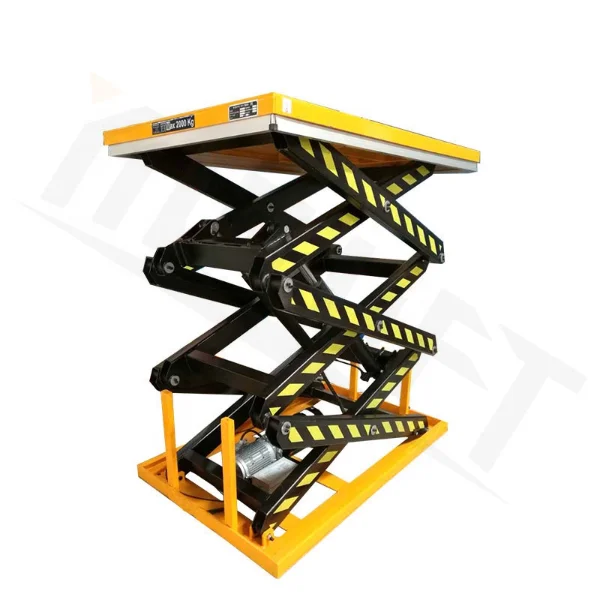
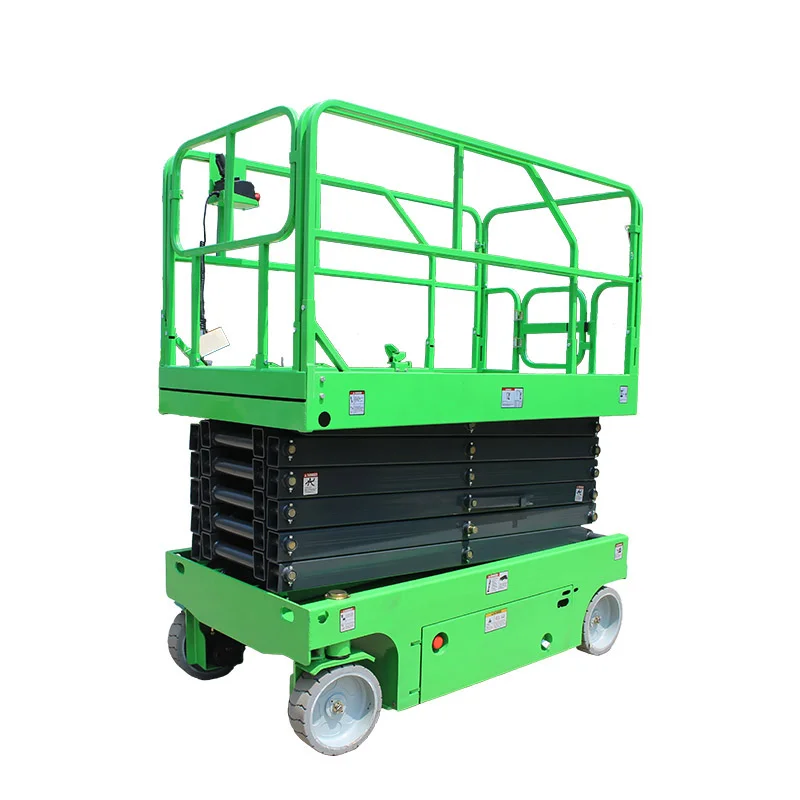
Self-propelled scissor lifts have a compact build, solid carrying strength, smooth motion on floors, and precise control. These features account for their common application in today’s logistics, airport baggage work, factory settings, and fixing heavy equipment in various industries.
YILU LIFT supplies various high-quality self-propelled scissor lifts known for sturdiness, simple operation, and easy fixes. The new rotating base design gives straightforward access to main components in repairs. Moreover, the automatic fault code light eases issue detection. As a result, it shortens downtime. Setting up a clear schedule for daily, weekly, monthly, and annual checks is vital. It guarantees peak performance and extended service for your self-propelled scissor lifts.
Why Maintenance Matters for Self-Propelled Scissor Lifts
Ignoring regular reviews can allow small issues, like minor hydraulic leaks, to turn into big failures. Hydraulic problems might result in quick drops or uneven rises. Brake problems may cause unplanned movement on slopes.
Following regulations is key. OSHA demands that firms keep aerial lifts, which cover tiradores de tijera autopropulsada, in safe shape according to maker instructions. This calls for performing routine checks as outlined in OSHA standards, like 29 CFR 1926 for building work, as well as ANSI A92 series rules for aerial tools.
The perks go further than just rule-following:
- Cost savings:Prompt repairs lessen large costs from breakdowns.
- Better resale value:Gear with ongoing upkeep keeps its worth longer.
- Steady productivity:Less gear problems mean fewer operation delays.
Daily Pre-Use Inspection Checklist
Ahead of every shift, operators need to perform a visual scan of the unit. They must check for any liquid leaks, harm, or loose parts.
Visual Checks
- Search for hydraulic oil or battery acid leaks.
- Remove dirt or blocks around the bottom.
- Inspect for breaks in welds or platform guards.
Fluid Levels
- Verify engine oil (for gas models), hydraulic oil, coolant, and fuel levels.
- Refill liquids as required with types recommended by the maker.
Tires/Wheels
- Review tire air pressure and tread wear.
- Ensure lug nuts are firm; swap out bad tires right away.
Controls & Safety Systems
- Test the emergency drop system.
- Make sure interlocks, alarms, guardrails, and platform add-ons work right.
Battery/Electrical
- Look at charge indicators.
- Clean connections to stop rust buildup.
- Examine for frayed wires or open cables.
Function Tests
Run basic operation checks:
- Raise/lower cycle
- Steering control
- Drive function
- Braking response
If something unusual shows, such as slow rise, tag the unit as out of order. Keep it sidelined until checked by trained workers.
Weekly and Monthly Maintenance Tasks
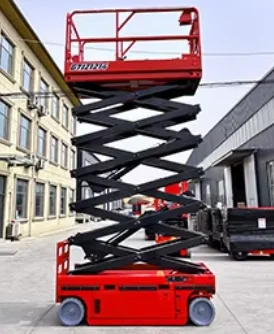
Weekly checks add to daily ones. They target oiling and items that wear out quickly.
Lubrication
Apply oil to joint points and scissor legs. This stops wear from friction.
Hydraulic System
Examine hoses for cuts or bulges. Change filters if they hold debris.
Structural Components
Check welds for cracks or corrosion. Give special care to spots near joints that hold heavy loads.
Brakes & Drive System
Test parking brake grip on inclines. Adjust as required.
Cleaning
Clean the platform surface and base fully. This removes mud, grease, or bits that might jam sensors, drive tires, or active parts. Use a light film of maker-approved grease or hydraulic oil on touch spots and scissor zones if needed. It cuts rubbing and aids longer part life. Regular cleaning also prevents rust from moisture. This matters a lot in outside or damp areas.
Quarterly and Annual Professional Maintenance
Here is a proposed quarterly/annual professional maintenance outline:
- Hydraulic Fluid Change: Swap out the fluid entirely; dirty oil can damage seals and weaken system work.
- Filter Replacement: Put in fresh hydraulic filters to keep fluid flow clean and guard key parts.
- Battery Deep Inspection: Check electrolyte amounts (for lead-acid batteries) or test/replace worn batteries in electric units.
- Load Testing & Calibration: Do a full rated load test and tune overload sensors on your mesa de elevación de tijera.
- Engine Maintenance(if applicable): Inspect spark plugs, belts, air filters, and fuel system for gas-powered units.
- Electrical Diagnostics: Use the built-in diagnostic system to scan and fix fault codes.
- Emergency Descent Device: Test the emergency lowering yearly under fake power failure setups to confirm safe use.
Emergency descending device: in case of sudden power loss, opening the emergency descending device lets the equipment lower to a safe spot. This feature needs testing yearly during pro service to confirm it works right under simulated power loss conditions.
Pro servicing includes reviewing anti-overload safety devices too. They stop work if load goes over the rated amount. This provides a main defense against frame stress breaks.
Common Maintenance Issues and Troubleshooting Tips
Even with good care, certain troubles occur regularly:
|
Issue |
Possible Cause |
Quick Fix |
|
Hydraulic leak |
Damaged hose fitting |
Tighten connections or replace seals |
|
Slow lifting speed |
Low hydraulic fluid level |
Refill with correct grade oil |
|
Battery drain overnight |
Faulty charger or parasitic draw |
Inspect charger output voltage |
|
Uneven platform movement |
Air trapped in hydraulic line |
Bleed system per manual |
Ways to dodge problems involve keeping lifts inside when not in use. Also, hold correct tire inflation. This supports even weight spread across the frame.
Best Practices and Safety Tips
Operator training is the top way to avoid accidents. Each staffer should record daily checks before starting. Such logs meet OSHA review demands as well. Always check maker guides before changing any item’s pressure levels. Changes by untrained folks can hurt safety features.
Never allow anyone on a scissor lift platform without full and strong safety rails. Exceeding the listed weight limit is strictly banned. It acts as a chief cause of tip-overs and frame harm. These safety rules hold true for self-propelled scissor lifts too. Rails have to remain fixed and sturdy in every task and lift.
YILU LIFT builds its self-propelled scissor lifts with upkeep ease in mind. The rotating chassis permits fast entry for servicing motors or pumps without breaking down major parts. Automatic fault code display helps techs find issues faster. This reduces check time a lot versus past models.
Conclusion
An organized upkeep plan does more than record-keeping. It offers everyday safety for high work areas. Following this full guide lowers costly pauses. Moreover, it lets the machine run reliably after warranty ends. YILU LIFT delivers solid self-propelled scissor lifts made for toughness and basic care. They include skilled tech aid and a steady stock of real parts. These traits place them as a good option for B2B buyers wanting reliable results, protection, and cut total costs.
For queries on YILU LIFT’s products or pro upkeep services, contact support group now. This keeps all lifts working smoothly year-round.
Preguntas frecuentes
Q1: How often should I perform a daily inspection on a self-propelled scissor lift?
A: A daily pre-use inspection must happen before each shift begins. This catches leaks, loose bolts, or control faults early.
Q2: What are the most common signs that a scissor lift needs immediate maintenance?
A: Odd noises in lifting, clear oil leaks under the base, slow platform shift, or warning lights on panels all mean quick action is required.
Q3: Does OSHA require specific checklists for scissor lift maintenance?
A: OSHA mandates aerial lifts follow maker upkeep rules. But it does not set one fixed checklist. Each business must build one matching ANSI A92 standards.
Q4: Can I perform maintenance on a self-propelled scissor lift myself, or should it be done by professionals?
A: Basic jobs like cleaning and level checks can be done by trained operators. Yet, hydraulic work or electrical checks should go to certified techs who know aerial lift preventive care processes.
Q5: How does regular maintenance affect the lifespan of a self-propelled scissor lift?
A: Regular checks cut part wear a great deal. Well-cared units typically run well for over ten years, while ignored ones might last just half that.