
Plataformas aéreas sobre orugas: Diseñadas para entornos de trabajo exigentes.
Plataformas aéreas sobre orugas: Diseñadas para entornos de trabajo exigentes.
Introducción
Las plataformas elevadoras desempeñan un papel fundamental en la construcción, el mantenimiento de instalaciones y las tareas industriales actuales. Facilitan tareas como la instalación de tuberías a gran altura o la reparación de muros exteriores en edificios. Estos dispositivos hacen que el trabajo en altura sea más seguro y rápido. Sin embargo, no todos los emplazamientos cuentan con superficies planas de hormigón o bases sólidas. Muchos proyectos se desarrollan en terrenos húmedos, zonas montañosas o espacios reducidos en la ciudad donde las plataformas elevadoras convencionales no pueden moverse con facilidad ni de forma segura.
Aquí es donde entran en juego las plataformas aéreas sobre orugas. Se centran en una base estable, un buen agarre y la capacidad de acceder a lugares difíciles. Estas unidades manejan terrenos irregulares y suelos blandos, manteniendo a los trabajadores seguros y realizando el trabajo. Uno de los principales fabricantes en este campo es YILU LIFTLa empresa construye plataformas elevadoras de trabajo robustas y de alto rendimiento que cumplen con las normas de seguridad internacionales.
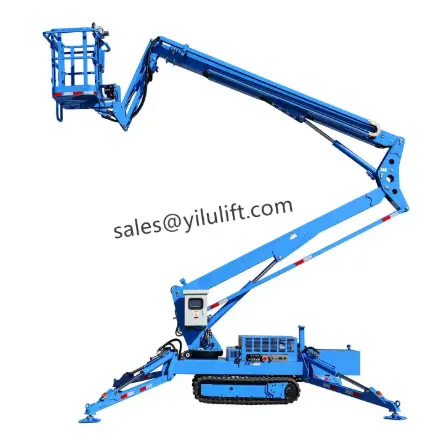
¿Qué son las plataformas aéreas sobre orugas?
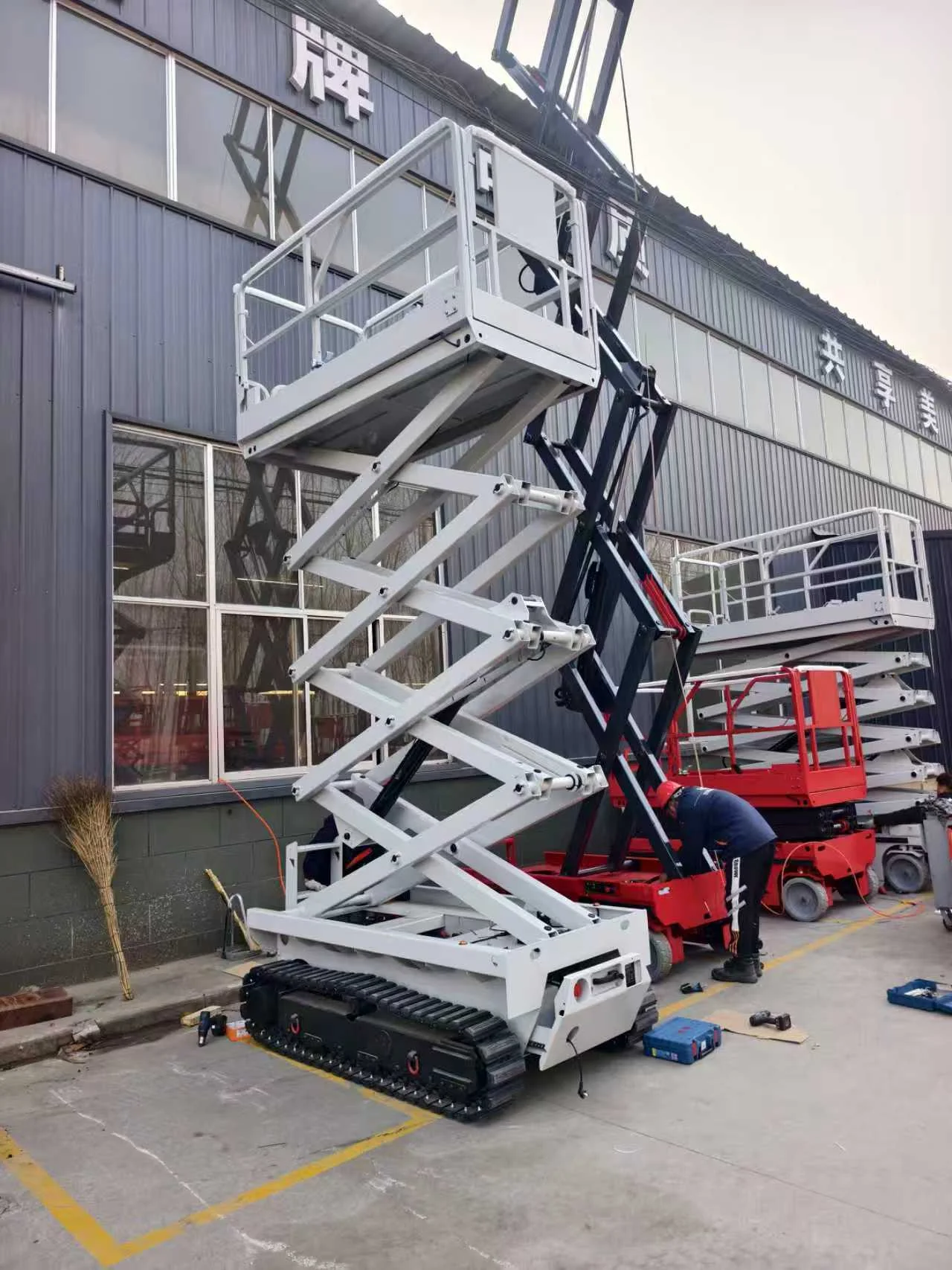
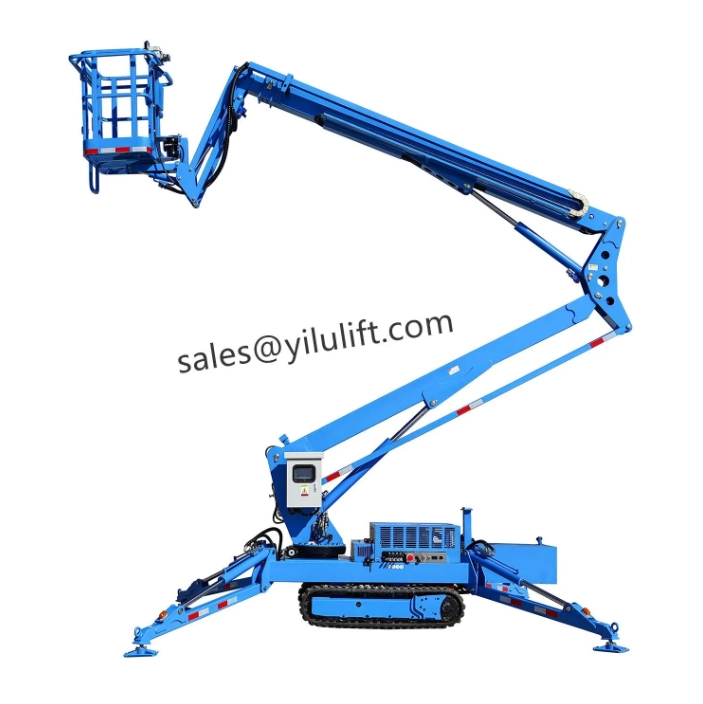
Plataformas aéreas sobre orugas, a menudo conocido como elevadores arañaSon dispositivos de elevación especiales con orugas de goma en lugar de ruedas. Las orugas distribuyen el peso de la unidad sobre el suelo, lo que les permite rodar sobre superficies irregulares o frágiles sin hundirse ni dejar marcas.
En comparación con las plataformas elevadoras con ruedas, las de orugas destacan en lugares que requieren una gran estabilidad. Constan de tres partes clave. Primero, las orugas permiten el desplazamiento sobre barro, piedras sueltas, hierba o pendientes. Segundo, el brazo o sistema de elevación alcanza zonas de trabajo elevadas. Tercero, los controles permiten a los operadores mover y posicionar la máquina con precisión para un uso seguro.
Su construcción suele emplear sistemas hidráulicos similares a los de las plataformas elevadoras de tijera. El mecanismo se basa en la energía hidráulica para elevar y descender la plataforma de forma suave. Y esto funciona incluso en terrenos irregulares.
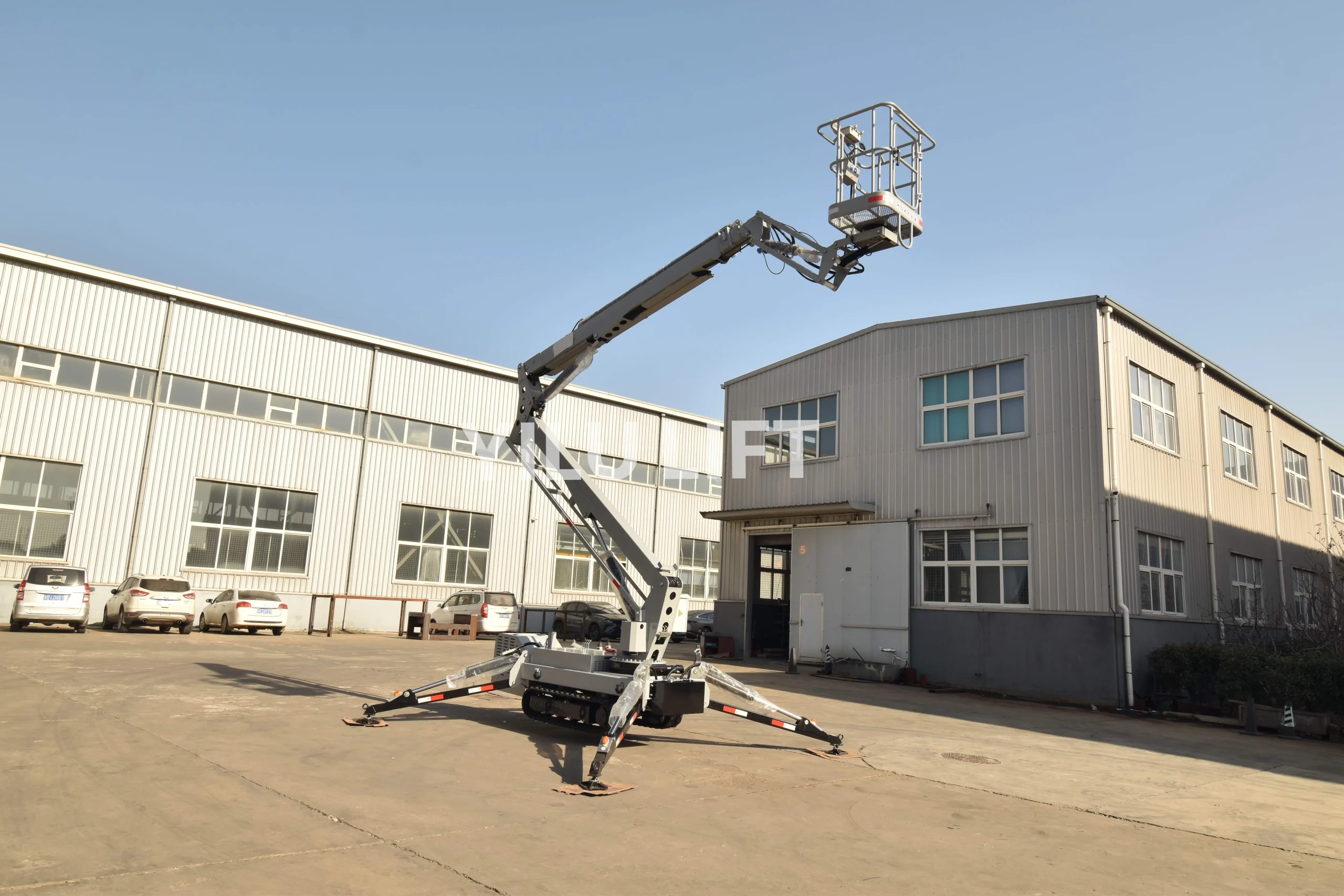
Características clave para lugares de trabajo difíciles
Las plataformas aéreas sobre orugas están diseñadas para entornos difíciles. Sus características permiten abordar los problemas que enfrentan los operadores en terrenos inestables. Analicemos estos puntos.
- Orugas de goma para baja presión sobre el suelo.
Las orugas ejercen menos presión sobre la superficie que los neumáticos. Esto reduce la posibilidad de atascarse en el barro o dañar el césped y los pisos interiores. - Diseño compacto
Muchas versiones con orugas tienen cuerpos delgados. Caben por puertas, pasillos o alrededor de barreras. Esto es ideal para el mantenimiento en plantas o entornos urbanos. - Estabilidad mejorada
En terrenos irregulares o con pendientes, las orugas mantienen un amplio contacto con el suelo. Esto mejora el equilibrio y reduce el riesgo de vuelco. - Estructura ligera
Aunque son robustas, las plataformas elevadoras sobre orugas pesan menos que las plataformas elevadoras de brazo tradicionales. Por lo tanto, funcionan bien en lugares delicados como áreas con baldosas o zonas ajardinadas.
Todas estas características hacen de las plataformas aéreas sobre orugas una opción ideal para los constructores que no escatiman en seguridad ni en movilidad. Recuerdo un proyecto en una obra lluviosa del Medio Oeste, donde estas orugas permitieron que todo avanzara cuando el resto se paralizó.
Rendimiento en condiciones difíciles
Los trabajos en terrenos inestables requieren equipos que se ajusten rápidamente. Las plataformas elevadoras sobre orugas se desenvuelven muy bien en este tipo de terrenos. Por ejemplo, en un patio embarrado típico después de fuertes lluvias, siguen funcionando sin problemas.
- Terreno fangoso o blando:Las orugas de goma evitan hundirse al distribuir el peso.
- Pendientes y superficies irregulares:Estas unidades mantienen el agarre donde los elevadores con ruedas se deslizarían.
- Zonas de acceso restringido:Su pequeño tamaño les permite acceder a lugares estrechos como patios o calles angostas.
- Uso en interiores y exteriores:Las vías que no dejan marcas y su funcionamiento silencioso permiten que algunos tipos de vías se desplacen fácilmente desde las zonas exteriores construidas hasta el interior de los edificios.
La estabilidad es fundamental en todo esto. Antes de utilizar una plataforma elevadora, inspeccione siempre el terreno para detectar posibles riesgos. Zanjas, pendientes pronunciadas, cuevas, rocas sueltas, obstáculos aéreos, líneas eléctricas u otros peligros pueden causar problemas. Seguir esta regla garantiza la seguridad y facilita el trabajo incluso en zonas difíciles.
Aplicaciones comunes
Las plataformas aéreas sobre orugas son ideales para diversos sectores que requieren opciones de elevación robustas en terrenos irregulares. A continuación, presentamos una tabla con ejemplos de uso, basada en trabajos reales de los últimos años.
|
Área de aplicación |
Uso típico |
|
Construcción |
Trabajar sobre cimientos irregulares o superficies sin terminar. |
|
Mantenimiento de edificios |
Limpieza y reparaciones de fachadas exteriores |
|
Cuidado de árboles y paisajismo |
Podar árboles altos sin dañar el césped |
|
Inspección industrial |
Acceso a tuberías o maquinaria dentro de instalaciones confinadas |
|
Trabajos de servicios públicos |
Instalación de cables o iluminación en terrenos irregulares. |
Su versatilidad las convierte en imprescindibles en el mundo empresarial e industrial. Los datos de informes del sector muestran que más del 40 % de las plataformas elevadoras todoterreno vendidas el año pasado eran de orugas.
Ventajas sobre los equipos tradicionales
Las plataformas elevadoras con ruedas todavía se utilizan en muchas tareas. Pero las plataformas aéreas sobre orugas ofrecen algunas ventajas importantes.
- Movilidad superior:Las orugas no tienen ningún problema para sortear el barro, las piedras, la nieve y la hierba.
- Daños mínimos en el suelo:La baja presión sobre el suelo protege las zonas más frágiles.
- Mayor seguridad:Una base sólida reduce las posibilidades de que se produzca una prórroga, incluso en las subidas.
- Control del operador:Incluso los cambios hidráulicos permiten una colocación exacta.
- Versatilidad:Una sola unidad funciona en diversos entornos sin necesidad de modificaciones.
Estas ventajas implican menos retrasos por terrenos en mal estado. Además, reducen los costos de preparación del terreno después de que la maquinaria pesada haya pasado por allí.
¿Por qué elegir YILU LIFT?
YILU LIFT se gana la confianza como un fabricante sólido. Ofrece un diseño inteligente con estrictos controles de calidad. La empresa vende muchos tipos de plataformas aéreas sobre orugas para diferentes alturas y límites de peso.
Su enfoque prioriza la robustez y la seguridad del trabajador. El dispositivo de protección contra sobrecargas evita que el equipo supere su límite de carga. Además, la válvula de protección de la tubería de aceite hidráulico impide la pérdida de control en caso de rotura accidental. Estas protecciones integradas demuestran el compromiso de YILU LIFT con la fiabilidad en el uso diario.
Otras grandes ventajas incluyen el cumplimiento de las normas de seguridad globales, las ventas a países de todo el mundo, la asistencia rápida de expertos técnicos y las opciones personalizadas para satisfacer las necesidades de los clientes.
Desde obras de construcción en Asia hasta reparaciones en Europa, los equipos YILU LIFT siguen ofreciendo un rendimiento constante incluso en condiciones extremas. En un caso, un equipo europeo elogió su capacidad para superar una pendiente de 15 grados sin ningún problema.
Conclusión
Las plataformas aéreas sobre orugas transforman las posibilidades en terrenos difíciles. Se desenvuelven bien en campos húmedos, pendientes pronunciadas y zonas urbanas estrechas. Esto brinda a los constructores la confianza necesaria para finalizar el trabajo de forma segura y rápida. Combinadas con sistemas hidráulicos robustos y controles inteligentes —al igual que otras plataformas aéreas de alta gama—, establecen un nuevo estándar en la tecnología de elevación industrial.
YILU LIFT sigue avanzando en esta área. Crea estructuras de elevación tipo araña duraderas que combinan una sujeción firme con un movimiento fácil. Para empresas que se enfrentan a terrenos difíciles todos los días, en colaboración con YILU LIFT Ofrece mucho más que solo equipo. Significa un socio confiable para obtener resultados de primera categoría.
Preguntas frecuentes
P1: ¿Qué hace que las plataformas aéreas sobre orugas sean adecuadas para terrenos difíciles?
A: Las plataformas elevadoras sobre orugas utilizan orugas de goma que distribuyen el peso de manera uniforme sobre terrenos blandos o irregulares. Este diseño mejora la tracción y minimiza el deslizamiento, lo que las hace ideales para obras de construcción fangosas o terrenos inclinados donde las plataformas con ruedas podrían fallar.
P2: ¿Se pueden utilizar plataformas aéreas sobre orugas en interiores?
R: Sí. Muchos modelos cuentan con orugas de goma que no dejan marcas y marcos compactos aptos para uso en interiores sobre suelos delicados como baldosas o superficies recubiertas de epoxi, sin dejar marcas que los dañen.
P3: ¿Cómo mejoran las plataformas sobre raíles la seguridad en las obras?
A: La seguridad se logra mediante puntos de contacto estables con la vía y sistemas integrados como válvulas de protección contra sobrecargas. La carga sobre la plataforma y su distribución deben cumplir con las normas del fabricante. Seguir estas directrices operativas reduce significativamente los riesgos de accidentes durante las tareas en altura.
P4: ¿Qué industrias se benefician más de las plataformas aéreas sobre orugas?
A: Industrias como la construcción, el paisajismo, el mantenimiento de servicios públicos, la administración de edificios y la inspección industrial dependen en gran medida de estas máquinas debido a su capacidad para manejar terrenos variables manteniendo un control preciso en altura.
P5: ¿Ofrece YILU LIFT soluciones personalizadas de plataformas elevadoras para trabajos en altura?
R: Por supuesto. YILU LIFT ofrece configuraciones personalizadas en función de los requisitos de altura, los sistemas de alimentación (CA/CC), el tamaño de la plataforma y las necesidades ambientales específicas, lo que garantiza que cada cliente obtenga una solución óptima para las exigencias de su proyecto.