
Capacité de la plateforme élévatrice à ciseaux : combien de travailleurs et d’outils peuvent être utilisés en toute sécurité ?
Capacité de la plateforme élévatrice à ciseaux : combien de travailleurs et d’outils peuvent être utilisés en toute sécurité ?
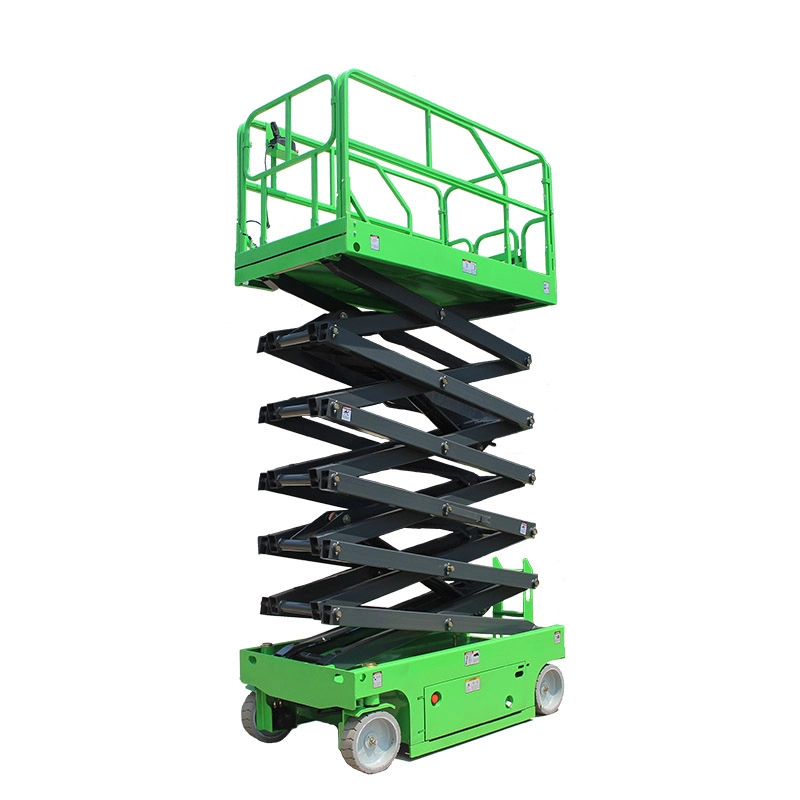
Élévateur à ciseaux La capacité d'une plateforme ne se résume pas au nombre de personnes. Pour les entreprises de travaux publics, les loueurs de matériel, les sites industriels, les distributeurs et les services d'approvisionnement, la limite de sécurité correspond à la masse totale du personnel, des EPI, des outils, des matériaux et des accessoires transportés sur la plateforme. Le nombre d'occupants autorisés peut être inférieur au calcul du poids, car la capacité d'occupation spécifiée par le fabricant constitue une limite distincte. Un cahier des charges d'achat doit donc se baser sur la nature des travaux à effectuer, et non sur une estimation du nombre de personnes (une ou deux).
Que signifie la capacité d'une plateforme élévatrice à ciseaux ?
La capacité nominale correspond à la charge de travail totale
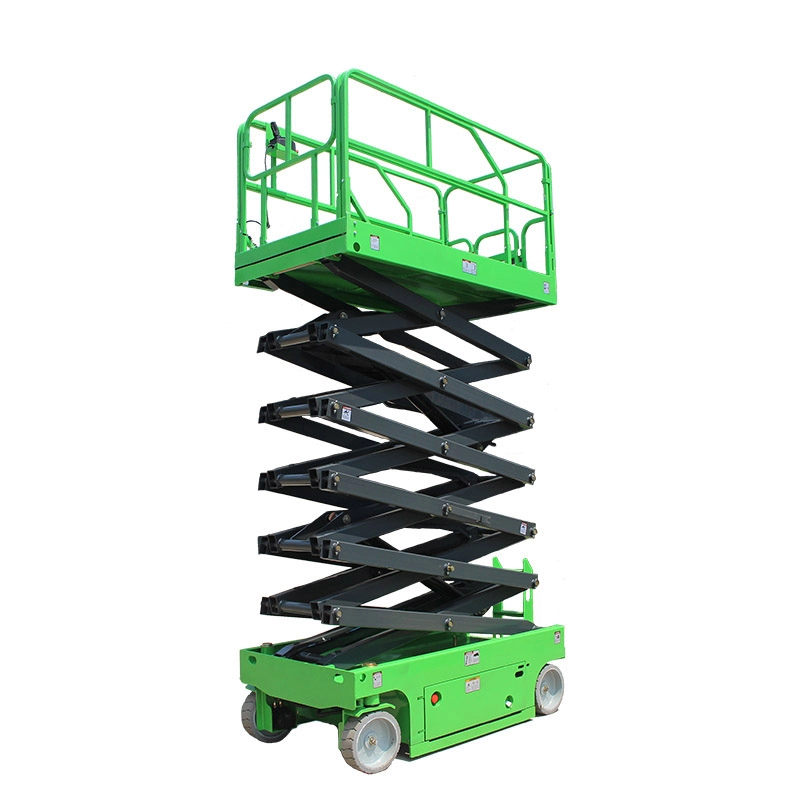
La capacité nominale de la plateforme, également appelée charge de travail admissible ou capacité maximale admissible, correspond à la charge maximale autorisée dans les conditions d'utilisation spécifiées. Elle inclut tout travailleur, sac à outils, outil électrique, enrouleur de câble, consommable, composant et accessoire amovible placé sur la plateforme.
Une capacité de charge de 320 kg n'autorise pas automatiquement la présence de trois personnes. Si la plaque signalétique n'autorise que deux occupants, la plateforme reste limitée à deux personnes même si leur poids combiné est inférieur à 320 kg. Inversement, une capacité de deux personnes ne permet pas à deux travailleurs de se déplacer si leur masse, leurs équipements de protection individuelle, leurs outils et les matériaux transportés dépassent la limite de poids de la nacelle élévatrice.
La capacité de la plateforme d'extension peut être réduite.
Beaucoup nacelles élévatrices mobiles à ciseaux Utilisez une extension de quai. L'extension améliore l'accès, mais sa capacité locale est souvent inférieure à celle du quai principal. Les documents d'approvisionnement doivent indiquer la capacité nominale totale et la capacité de l'extension. Une charge peut rester inférieure à la limite globale tout en surchargeant la section étendue.
Comment calculer en toute sécurité le nombre de travailleurs et d'outils
Utilisez une formule de charge complète
Un calcul pratique consiste à :
Charge totale de la plateforme = masse du travailleur + EPI + outils + matériaux + accessoires
La masse des travailleurs doit refléter les données réelles du chantier et non une moyenne nominale. Les EPI peuvent inclure des vêtements de protection, des appareils respiratoires, des ceintures porte-outils et des vêtements de protection contre les intempéries. Les accessoires comprennent des plateaux homologués, des kits d'éclairage, des supports de tuyauterie ou d'autres accessoires autorisés.
Le total doit rester inférieur à la capacité nominale de la plateforme, le nombre de personnes prévu doit respecter la limite d'occupation et toute restriction relative à la plateforme d'extension doit également être respectée. Les directives de l'OSHA exigent que les employeurs abordent la manutention et les limites de poids lors de la formation à l'utilisation des nacelles élévatrices.
Appliquer un exemple spécifique à l'emploi
Prenons l'exemple d'une plateforme supportant une charge de 450 kg et dont la capacité de charge maximale en extension est de 113 kg. Deux travailleurs pèsent respectivement 92 kg et 86 kg. Leurs équipements de protection individuelle (EPI) pèsent 18 kg, leurs outils 74 kg et les matériaux d'installation 96 kg.
La charge totale est de 366 kg, soit 84 kg de moins que la capacité maximale. Cependant, charger 120 kg d'outils et de matériaux sur l'extension dépasserait sa limite locale. Il faudrait alors redistribuer la charge, réduire la quantité de matériaux par cycle ou envisager une configuration différente. C'est pourquoi le poids des travailleurs ne suffit pas à déterminer le nombre de personnes qu'une nacelle élévatrice peut supporter.
Pourquoi la planification des capacités exige plus que des calculs arithmétiques
La répartition de la charge influe sur la stabilité
La charge nominale est calculée pour un fonctionnement dans des conditions définies. La concentration de la masse à une extrémité modifie le centre de gravité et peut réduire la stabilité. Les matériaux longs peuvent également engendrer des effets de levier, une prise au vent ou des risques de chute d'objets, même si leur poids apparent est acceptable.
Les matériaux doivent rester à l'intérieur de la plateforme, sauf si l'équipement est conçu pour un système de fixation homologué. Les outils non fixés, les objets instables et les débris ne doivent pas s'accumuler. L'évaluation des risques du site peut exiger des quantités contrôlées et un confinement approprié. L'OSHA exige que l'équipement soit chargé conformément à sa conception et interdit tout chargement dépassant sa capacité.
Le vent, la pente et l'état du sol sont importants.
La capacité ne saurait se substituer à l'adéquation à l'environnement. Les équipements destinés à un usage intérieur peuvent ne pas être conçus pour résister au vent, tandis que les plateformes conçues pour un usage extérieur peuvent présenter différentes limites en matière de vitesse du vent, de hauteur ou de capacité. Un sol ferme et plat est indispensable, car les trous, les pentes, les débris et les surfaces instables augmentent le risque de renversement.
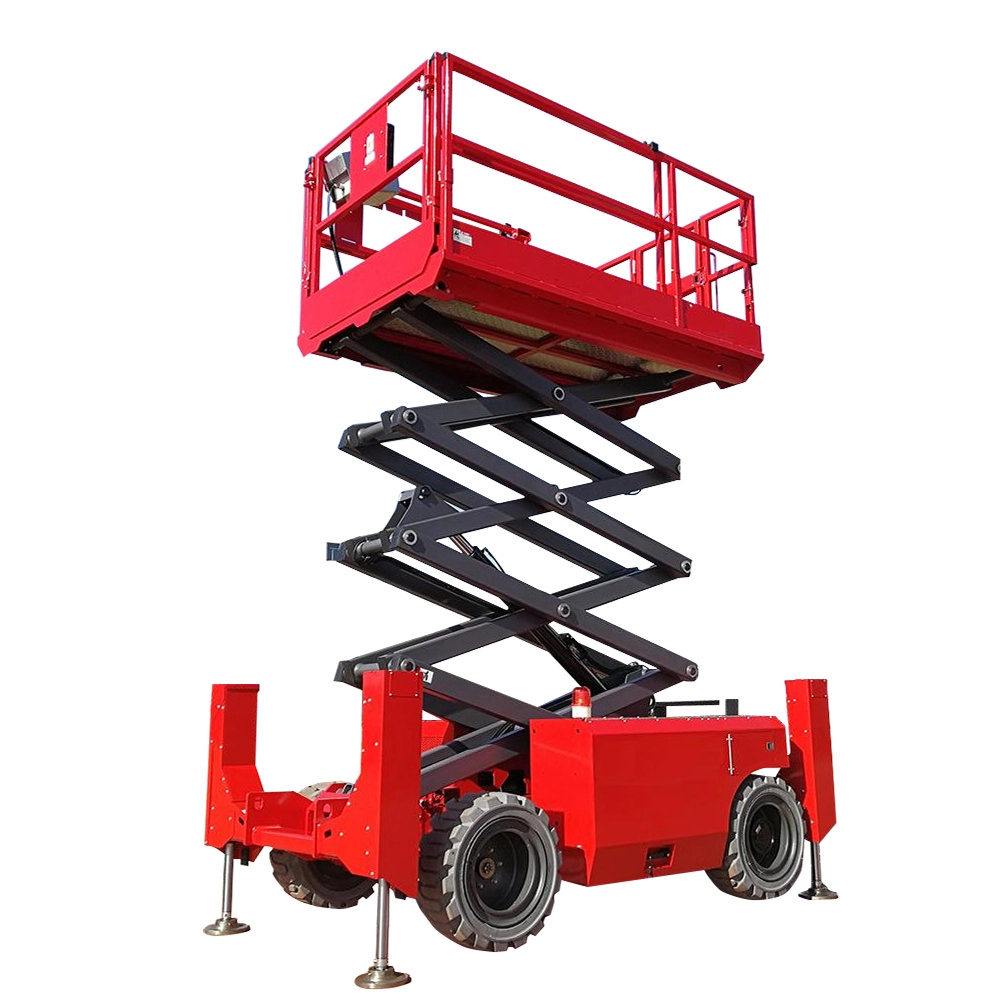
Le service des achats doit confirmer la classification d'utilisation, la pente admissible, la résistance au vent et les restrictions de circulation en hauteur. La capacité portante du sol nécessite une vérification distincte, car le poids de la machine en fonctionnement est transmis par de petites surfaces de contact avec les roues ou les stabilisateurs. La capacité de charge du sol doit être suffisante pour le poids total de la machine et la pression maximale exercée sur le sol.
Critères d'approvisionnement B2B pour la sélection des capacités
Définir le lot de travaux maximal
Une spécification fiable commence par la tâche la plus complexe et réalisable. Les équipes d'approvisionnement et d'environnement, santé et sécurité doivent documenter la taille de l'équipe, la masse des travailleurs, les EPI, les outils les plus lourds, la quantité maximale de matériaux, les dimensions de la plateforme, l'utilisation des extensions, la hauteur de travail, la largeur d'accès et l'état du sol.
Le cahier des charges doit préciser la capacité nominale minimale et le taux d'occupation requis. Il doit également indiquer si les matériaux peuvent être entreposés au niveau du sol. Cela permet d'éviter l'achat d'une machine qui atteint la zone de travail mais ne peut pas supporter la charge de production.
Préserver une marge opérationnelle maîtrisée
Aucune marge de pourcentage universelle ne remplace les spécifications du constructeur. Un fonctionnement à la limite exacte ne tolère que peu de pertes liées aux consommables non répertoriés, aux vêtements mouillés, aux pièces de rechange ou aux erreurs de mesure. Les politiques de gestion de flotte peuvent définir une marge de planification interne inférieure à la capacité nominale, tout en considérant la plaque signalétique comme la limite maximale absolue.
Le modèle sélectionné doit conserver une capacité adéquate lorsque la charge admissible est modifiée par une extension de plateau, un mode extérieur, un accessoire ou une configuration restreinte.
Vérifier la documentation et les fonctions de sécurité
L'évaluation commerciale doit comprendre le manuel d'utilisation, la plaque signalétique, le marquage d'occupation, la capacité d'extension, les instructions d'inspection, le calendrier de maintenance, la disponibilité des pièces détachées et les documents de conformité. Les systèmes de détection de charge peuvent détecter les surcharges, mais ils ne remplacent pas la planification ni n'autorisent un fonctionnement au-delà de la capacité nominale.
Les fonctions de sécurité pertinentes comprennent les alarmes d'inclinaison, le freinage automatique, la descente d'urgence, la protection contre les nids-de-poule, les garde-corps, les portes de quai, les diagnostics et les dispositifs de fixation approuvés.
Commandes opérationnelles pour la capacité nominale
Mettre en place un plan de charge de plateforme
Pour les tâches répétitives de maintenance, d'installation ou d'entreposage, une fiche de chargement permet de standardiser le chargement en toute sécurité. Elle doit indiquer la taille de l'équipe autorisée, la masse des travailleurs et des EPI, le poids des outils, la quantité de matériaux autorisée, la marge de sécurité et les articles interdits.
Le plan doit être revu à chaque modification de la tâche. Une équipe différente, un composant plus volumineux, un nouvel accessoire ou un enrouleur de câble supplémentaire peuvent transformer une installation conforme en surcharge.
Formation à la manutention
La formation des opérateurs doit porter sur les limites de poids, la répartition de la charge, la prévention des chutes d'objets, les déplacements en hauteur, les procédures d'urgence et le signalement des anomalies. Seul le personnel formé est habilité à utiliser l'ascenseur, tandis que le personnel désigné sur le site doit connaître les commandes au sol et les procédures de secours.
Les matériaux ne doivent pas s'accumuler après l'ouverture de l'emballage, et aucun outil supplémentaire ne doit être introduit sur la plateforme sans mise à jour du calcul de charge.
FAQ
Combien de travailleurs peuvent se tenir debout en toute sécurité sur une nacelle élévatrice à ciseaux ?
Le nombre de sécurité correspond à la plus petite des deux valeurs suivantes : le nombre maximal d’occupants indiqué par le fabricant et le nombre dont la masse combinée, les EPI, les outils, les matériaux et les accessoires restent dans les limites de la capacité nominale.
La capacité de charge inclut-elle les outils et les matériaux ?
Oui. Les boîtes à outils, les batteries, les câbles, les fixations, les composants, les accessoires homologués et les pièces démontées sont tous pris en compte dans le calcul de la charge admissible.
La plateforme d'extension peut-elle supporter le même poids que la plateforme principale ?
Pas nécessairement. De nombreuses rallonges de pont ont une capacité minimale distincte. Il faut respecter à la fois la limite de rallonge et la limite totale de la plateforme.
Un système de détection de charge est-il suffisant pour éviter les surcharges ?
Non. La détection de charge est une fonction de protection, et non une méthode de planification. Le dossier de travail exige toujours un calcul documenté.
Une nacelle élévatrice à ciseaux de plus grande capacité peut-elle répondre à tous les besoins d'un chantier ?
Non. La capacité doit être évaluée en fonction de l'occupation, de la taille de la plateforme, de la hauteur de travail, du poids de la machine, de la charge au sol, des dimensions d'accès, de la résistance au vent, du terrain, de la source d'énergie et des accessoires.
Élaborer un cahier des charges pour l'approvisionnement d'une nacelle élévatrice à ciseaux plus sûre
Demander une évaluation de capacité directe d'usine
Une enquête techniquement complète doit inclure la taille de l'équipe, la masse des travailleurs et des EPI, le poids des outils, le poids des matériaux, la hauteur de travail, les dimensions de la plateforme, l'utilisation des extensions, la surface du site, l'environnement d'exploitation, les besoins en énergie et le marché de livraison. ASCENSEUR YILU est un fabricant et une usine à Qingdao, en Chine, fournissant des plateformes de travail aériennes et des solutions de levage à ciseaux pour les acheteurs industriels ; son équipe d'usine peut examiner les données d'application, recommander une capacité nominale appropriée, discuter des exigences de plateforme personnalisées et préparer un devis B2B.
Contactez YILU LIFT via la page de contact officielle ou par courriel à sales@yilulift.com pour discuter des spécifications techniques, des exigences de personnalisation, de la capacité de production et des devis de projets.