
Stainless Steel Hydraulic Lift Table: Check Material Scope and Cleaning Requirements
Stainless Steel Hydraulic Lift Table: Check Material Scope and Cleaning Requirements
A buyer looking for a stainless steel hydraulic lift table may already know the load, platform size, and working height. The unresolved question is often the material specification. What does the quoted price include beneath the stainless top? That question matters in a damp workshop as much as it does on a production line with regular cleaning.
The useful question at this point is what will get wet. A platform wiped after handling closed cartons presents a different enquiry from a machine washed down with the room. Describing that difference early gives the supplier something more useful than a request for a “stainless table.”
Find Out What “Stainless Steel” Covers
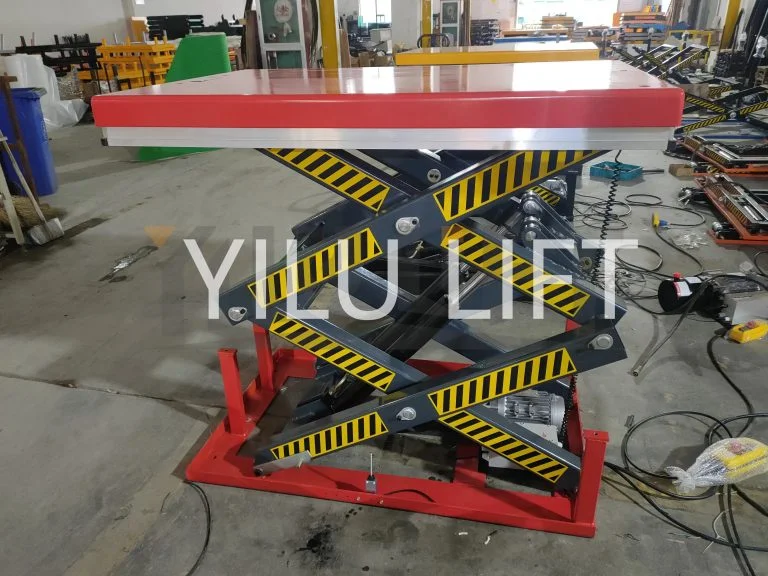
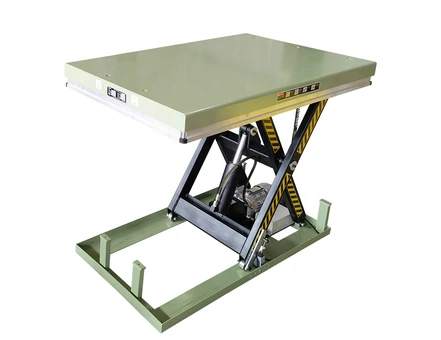
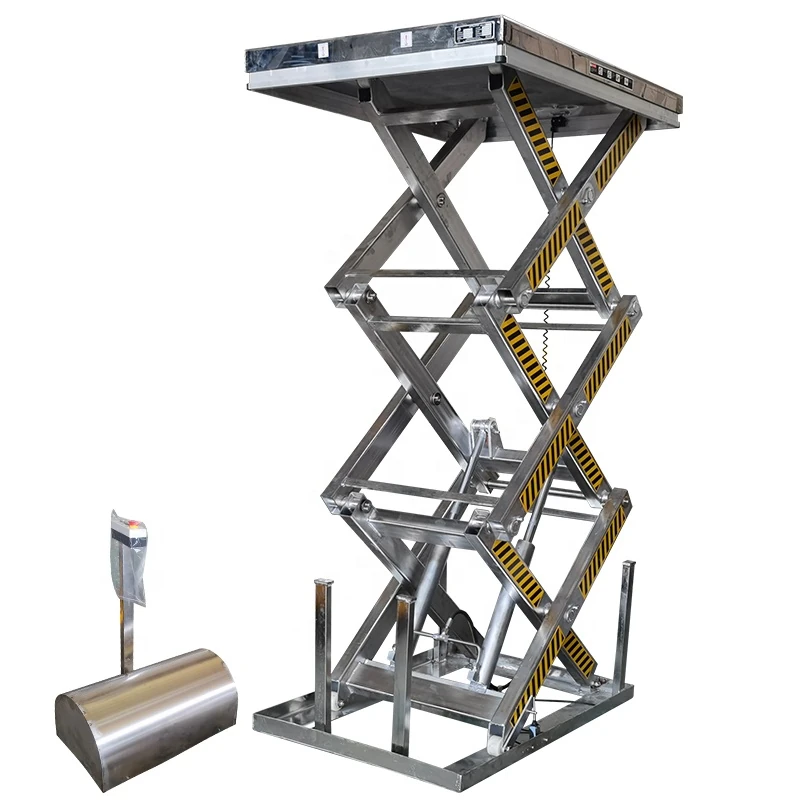
Start with the top, then work down the proposed table on the drawing. There are scissor arms, a cylinder, and a base to account for, along with fasteners. An electrically powered model adds controls and a power unit. The material description may change from one assembly to the next.
That is worth checking before comparing prices. Imagine two offers with the same platform size and lifting capacity. One has a stainless top on a coated structure; the other includes more stainless components. A price comparison based on the word “stainless” alone would miss part of what is being offered. Neither description answers whether the table suits the buyer’s cleaning routine.
A component list clears this up. It does not need to be elaborate: an assembly name, material or finish, and any item still awaiting confirmation. “Platform” and “base frame” should have separate entries. So should the scissors and cylinder.
A grade written beside “platform” has a clear scope. The same grade in a quotation heading is much less helpful: a purchaser may read it as a description of the whole table. If the project requires material documentation, agree its scope with YILU LIFT during the quotation discussion. The purchaser and the receiving team will then be working from the same description.
Describe the Cleaning Routine Before Choosing the Finish
Cleaning is often described too briefly in an equipment enquiry. “Daily cleaning,” for instance, says when the job happens but little about what it involves. It could mean wiping the deck. It could mean exposing much more of the machine to water and cleaning chemicals.
This is a good reason to involve the people who will clean the equipment. They can describe what gets wet and what stays dry, including areas the person purchasing the table may not have considered. A short account of their normal routine puts the request in context.
The cleaner itself is part of that account. Stainless steel can stain or develop localized corrosion in unsuitable conditions, including exposure to some chloride-containing cleaners. Giving the supplier the cleaning product name lets the discussion move beyond appearances; a shiny finish says little about compatibility.
The enquiry can use the routine already planned for the site. Along with the cleaner name, note its working concentration and how long it remains on the surface. Temperature, rinsing, and frequency complete the description. YILU LIFT can be contacted to discuss those conditions against the proposed table configuration. Any method not yet agreed should stay open in the specification.
This discussion is most useful before the finish is selected. Once the order simply says “stainless steel,” both sides may be using the same words for different requirements.
Look Below the Platform
The platform may be the part being cleaned, but it is not necessarily the only part that gets wet. On the proposed layout, trace where water could reach the cylinder or the electrical equipment. Those locations belong in the enquiry, even if they sit out of sight during normal use.
If the offer lists an enclosure rating, find the enclosure it refers to on the drawing. A rating for the controls answers a question about the controls; it leaves the other assemblies to be checked. Chemical compatibility is a further question, rather than something the enclosure rating settles.
Coated components need the same attention. “Corrosion resistant” may be a useful description of a finish, but the purchasing question is whether that finish suits the exposure being proposed. The written quotation should make the answer, and any restrictions, clear.
Access can be awkward around a scissor mechanism even when the top is easy to wipe. It is worth raising that point during selection, while the cleaning method and the model-specific instructions can still be discussed. Cleaning or maintenance near the mechanism must follow the manufacturer’s safety instructions, including the specified support and isolation procedures. A convenient gap beneath the platform is not an access plan.
Keep Hygiene Requirements Separate from the Material Name
“For a food factory” is a useful introduction, but it leaves the actual job unexplained. A table might hold closed cartons ready for dispatch. Elsewhere, a platform could be involved in handling exposed product. Those descriptions give the supplier much more to work with than the industry name alone.
Bring the site’s quality requirements into this discussion early. The people responsible for them can identify the required finish and documents for the actual task, rather than leaving purchasing to interpret a general product description. The supplier needs those details rather than a broad request for equipment “for food use.”
The same applies to pharmaceutical applications. A product category associated with that industry does not, on its own, establish suitability for a particular installation. The site requirement and the offered configuration still have to meet.
Terms such as “food grade” and “washdown suitable” are worth unpacking before they appear in an order. Which parts and conditions do they cover, and what evidence is required? A stainless material description should not stand in for that conversation. Where a requirement is undecided, identify who at the site will confirm it.
Put the Material and Cleaning Scope into the Enquiry
The usual lifting details remain important: the load’s weight and dimensions, platform size, working heights, and how goods are loaded. Add the material and cleaning information to that request so the table can be discussed as a complete application.
The most useful supporting items are a component material requirement, the cleaning routine, and any site document requirements. If only the top needs a specified finish, say so. If other assemblies will be exposed, identify them too. Details still being checked can be marked for confirmation.
YILU LIFT’s scissor lift table with a stainless steel countertop is a relevant starting point for the platform discussion. Contactez YILU LIFT with the load, height, and cleaning details to discuss the material scope of the proposed configuration.
The agreed component list should remain with the quotation. It gives purchasing a basis for comparing offers and gives the receiving team a record of what was ordered, without relying on a photograph or a general category name.