
Electric Double Scissor Lift Table: Check Lowered Height and Vertical Travel
Electric Double Scissor Lift Table: Check Lowered Height and Vertical Travel
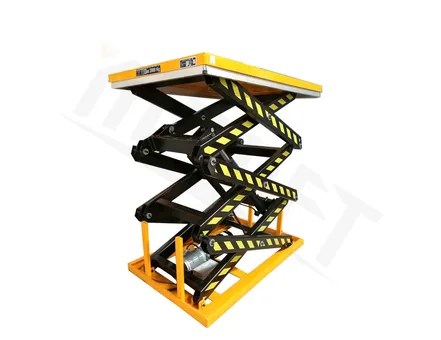
A buyer specifying a stationary electric double scissor lift table has two heights to settle: where the goods go onto the deck and where they leave it. Reaching the unloading bench answers the second question. The receiving position still needs a place in the enquiry, along with a clear distinction between platform height and vertical travel.
A side sketch of the two handover points is a better starting note than “extra lift.” It also gives the deck and capacity discussion something concrete to follow.
When More Vertical Travel Is Needed
Start where the goods arrive. Perhaps the task is to receive a container at a low position and hand it over at a bench. A changing stack may call for several stops instead. Either way, the enquiry needs those positions written down.
“Extra height” is too vague for an electric double scissor lift table enquiry. State where the platform receives the load, where it hands it over, and whether an intermediate stop matters.
The task at each stop matters. Inspection, picking and transfer may call for different working levels. One convenient height should not quietly become the specification for every operation.
Custom platform sizes and lifting heights are offered within the YILU LIFT hydraulic lift table range. Include the receiving and delivery positions when discussing that customization. Keep the conversation tied to the workstation, with a model and configuration to be agreed for the job.
Read Lowered Height, Raised Height, and Travel Separately
Keep these three entries separate on the quotation:
|
Entry |
What to establish |
|
Altezza ridotta |
The platform’s lowest height above the agreed mounting surface |
|
Raised height |
The platform’s highest height above that same surface |
|
Vertical travel |
The change in platform height between those positions |
With a surface-mounted table, subtract the lowered height from the raised height to obtain travel. The two heights are measured from the same mounting surface.
For illustration, take a table whose deck sits 350 mm above its mounting surface when lowered and 1,650 mm when raised. The difference is 1,300 mm. These are example figures, not a YILU model specification. Which number belongs in an enquiry? Include all three, with labels; “1,650 mm lifting height” leaves the meaning open.
The mounting arrangement belongs beside those figures. If a pit is being considered, show both the surrounding floor and the table’s mounting level on the sketch. Ask for the platform positions relative to each. Two quotations measured from different reference surfaces are not directly comparable.
The drawing need not be elaborate. A side view showing the base, the lowered deck and the raised deck is a useful starting point. Keep those labels when the quotation comes back. If discussions move from ground mounting to a pit, review the figures on the revised sketch before agreeing the order.
Match Both Ends of the Lift to the Workstation
At the receiving end, show where the goods will be before loading begins. Include the equipment bringing them to the table. Is it a forklift, or a hand pallet truck approaching along the floor? Put that detail beside the lowered position.
For the pallet-truck case, the guidance on pallet lift tables for hand pallet truck loading takes a closer look at the loading discussion. Bring the actual approach into the layout review before accepting a lowered-height figure.
YILU’s lift-table range includes ground and pit installation. The suitable arrangement still needs to be confirmed for the selected table and location. Where a pit is proposed, ask which installation details need approval before any site work begins.
At the upper position, mark the surface receiving the goods. Is the load being placed onto a bench, passed into another process or kept on the platform while work takes place? State the required height in relation to that receiving surface.
Describe the load at both ends. A loose component, a palletized load and a fixture-held part are different cases; the handover surface may also sit above the deck.
Before the layout is agreed, invite the person who performs the task to review the proposed positions. Their comments can turn “the table reaches the bench” into a much more useful description of the actual handover.
Check the Load and Platform at the Transfer Point
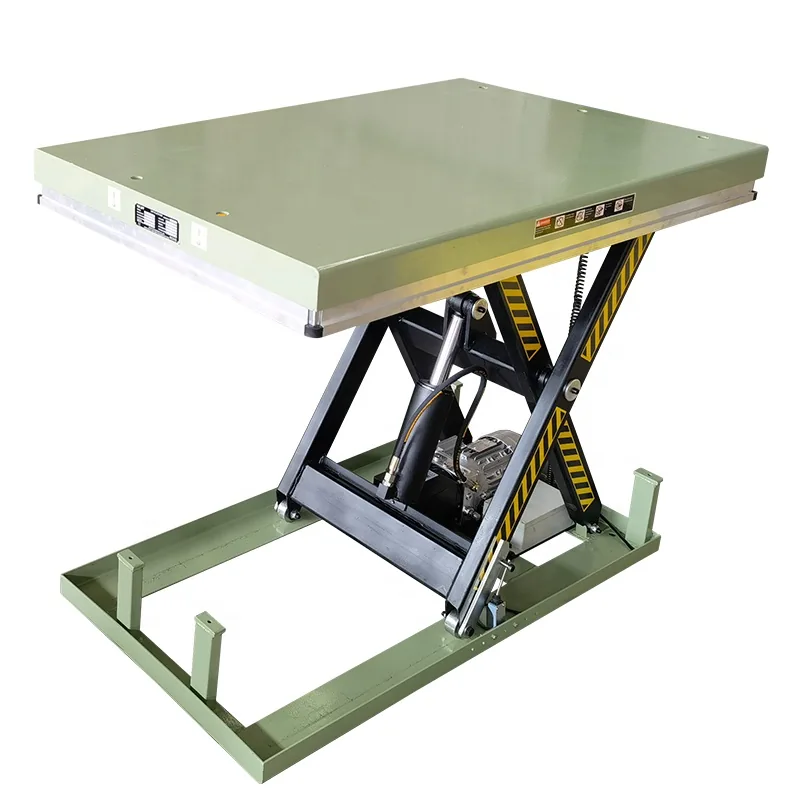
Let the load description match the drawing. Include material, dimensions and weight, plus every pallet, container or fixture that will remain with it. Clarify what the proposed capacity covers.
Then show where that load sits. A plan view can show the loading side, release side and any overhang. Several products should be listed by size instead of reduced to one average load.
The plan view is also the place for unanswered questions. A footprint drawn in the middle of the deck does not describe how the goods arrive or leave. Mark the receiving side and release side, then discuss any placement restrictions for the proposed arrangement with YILU LIFT.
Leave pallets and fixtures on the drawing if they stay with the goods during the lift. Ask how they are treated in the quoted load and platform specification. Where the handover involves another surface, identify that surface and explain the intended movement across it. The technical discussion can then address the actual transfer, including anything still to be agreed.
Other questions about deck fit and installation are covered in the stationary lift table selection checklist. Keep the two endpoint heights prominent in this enquiry; they are easy to lose among a long list of options.
Confirm the Layout Before Ordering
A short enquiry is enough: one labelled drawing and a few lines about the working sequence.
Include:
- The load material, overall dimensions and weight.
- The required lowest and highest platform positions, with measurement reference points.
- The loading and unloading methods, including the equipment used.
- The preferred platform size and any space restrictions.
- Whether ground installation or a pit is being considered.
- The expected lifting frequency and any required intermediate stops.
- The electrical supply available at the workstation.
Use the same drawing when reviewing the offer. Where a dimension has changed during discussion, mark the revision and ask which figure the quotation now uses.
YILU LIFT requests material, dimensions and weight when reviewing requirements. Buyers can discuss the lift-table layout with YILU LIFT and add the two working heights to that enquiry.
Once the starting level, finishing level and travel are written down, electric double scissor lift tables can be compared on the same basis. Platform and installation choices can then be judged against the actual job.