
Forklift Vacuum Lifter: Check Attachment Weight, Load Center, and Truck Compatibility
Forklift Vacuum Lifter: Check Attachment Weight, Load Center, and Truck Compatibility
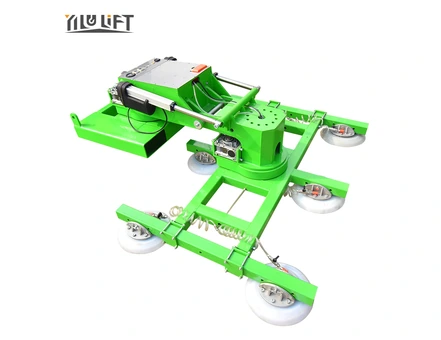
A forklift vacuum lifter lets a buyer consider using an existing truck for panel handling. The attachment supplier knows the lifter. The forklift manufacturer knows the truck. The purchase needs input from both, because the attachment’s own capacity does not settle what the truck can carry with it fitted.
That is where an enquiry needs a little more work. A lifting-capacity figure on a product page won’t settle whether the proposed combination suits the job. Neither will a photo showing the attachment on another forklift.
Start with the Forklift and the Load
A readable capacity-plate photo is a useful starting point, along with the truck’s make and model. If any details need checking with the site team, leave them open for confirmation in the enquiry.
The load takes more explanation. “Glass panels, weight listed below” may leave out the protective film, a cutout, or the fact that the panel has to finish upright. A short note describing the job can be more useful than several photographs of the finished product.
Consider a panel collected flat and delivered upright. That detail matters to the quotation. The supplier needs to discuss the positions involved, even though the same panel weight appears against both. A sketch of the pickup and placement points can help explain the job.
Send the panel dimensions and weight with that note, plus the required height. The range of sizes matters too; different panels may leave different areas available for suction.
Check the Truck and Attachment as One Combination
The truck must carry the attachment as well as the panel. The attachment can also move the load farther forward. These changes affect the truck’s available capacity.
A buyer therefore needs both the vacuum lifter’s applicable rating and the approved capacity of the assembled truck-and-attachment setup. The original truck plate alone does not answer the second question.
This is a useful point to bring the forklift manufacturer into the discussion, with the attachment weight, mounting details, and proposed load position available for review.
Be precise about the figure being quoted. Beside “capacity,” ask whether the number refers to the vacuum attachment or to the reviewed combination. An offer can be quite clear about the former while saying nothing about the latter. Keep that distinction on the enquiry until it has an answer.
Confirm the Fork Pockets and Retention Arrangement
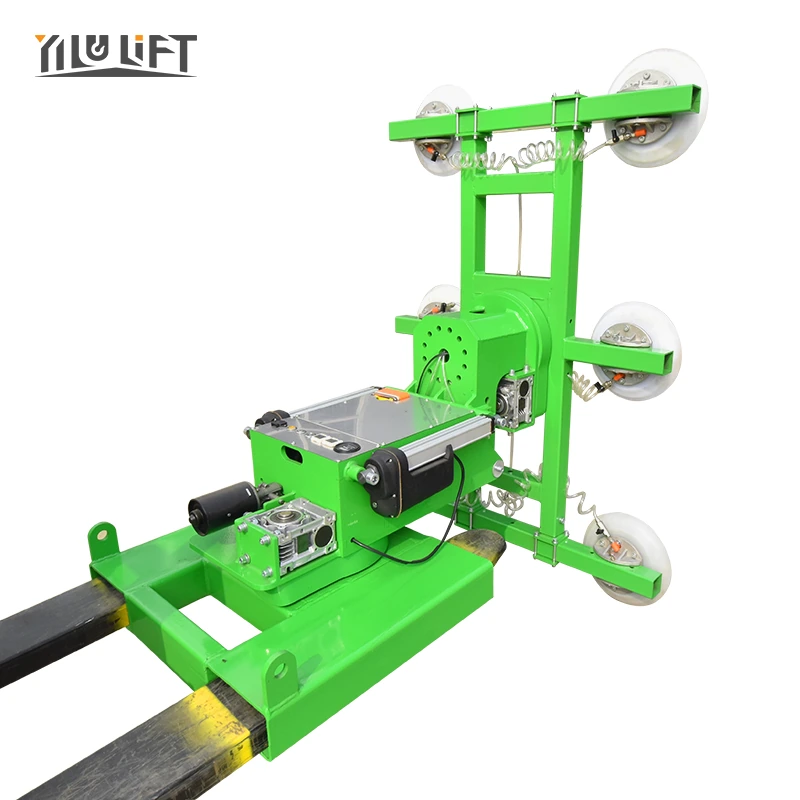
Fork width, thickness, spacing, and insertion length belong on a drawing. Written descriptions such as “standard forks” are too open to interpretation for an order.
A marked photo can help the conversation along, especially if the buyer is collecting measurements from the workshop. The supplier’s mounting drawing should then give both sides a common reference. Dimensions still awaiting measurement can be marked for confirmation before the order is finalized.
Retention deserves a separate look. How is this particular attachment held on the forks, and which parts come with it? The answer should be tied to the quoted model. A feature shown in a photograph of another version is not enough.
Any proposed drilling, welding, or other modification needs the applicable review and approval before purchase. The agreed installation scope can then be included with the order.
Once the mounting details have been agreed, retain the drawing revision with the order. A later change to fork spacing or the mounting arrangement needs to appear in that record.
Match the Pads and Movement to the Workpiece
The most useful drawing at this stage is the panel drawing. Alongside its dimensions, it can show cutouts and the areas available for suction. That gives the attachment supplier something specific to compare with the proposed pad layout.
A batch containing several panel sizes deserves a closer look. The heaviest one may determine the capacity requirement, while a smaller piece may leave less room for the pads. Both belong in the discussion. An attachment selected from the maximum weight alone has not yet been checked against the whole batch.
There is also the surface the pads will touch. Glass with a film on it is a different description from bare glass. The film should be mentioned, along with any coating, texture, or moisture. Suitability is a matter for the supplier to establish against those conditions; it cannot be assumed from the word “glass.”
The same care applies to movement. For a flat pickup followed by upright placement, the quotation needs to cover both positions and the change between them. Which ratings apply? Are there restrictions during that movement? Those answers should refer to the proposed model.
A tilting option on a general product page is useful for an initial shortlist. By the ordering stage, the buyer needs to know what that option means on the actual attachment, including how the movement is controlled. These are purchase specifications. The operating method and limits belong in the equipment instructions.
Review the Approved Configuration Before Ordering
US buyers should include the site’s equipment safety contact in this review. OSHA’s attachment guidance addresses combination capacity, capacity markings, and training, as well as approval requirements for changes affecting capacity or safe operation.
The proposed arrangement needs the forklift manufacturer’s review before the order is settled. Alongside that review, the buyer will need the applicable capacity markings and the attachment manual. The manual is where use limitations and inspection and maintenance instructions should be set out.
In practical terms, this review has to reach the people making the purchase. If a drawing or capacity assessment is still outstanding, it belongs among the unresolved order items. Someone needs to obtain the answer before the equipment goes into use; it should remain visible until then.
What to Send with a Forklift Vacuum Lifter Enquiry
の first enquiry can fit into a short email. The useful supporting items are:
- A readable truck capacity plate and the make and model.
- Fork dimensions and spacing, marked on a photograph if convenient.
- Panel weights and dimensions, with surface details and any cutouts.
- The pickup and placement positions, required height, and any turning or tilting.
- Photographs that explain the work area.
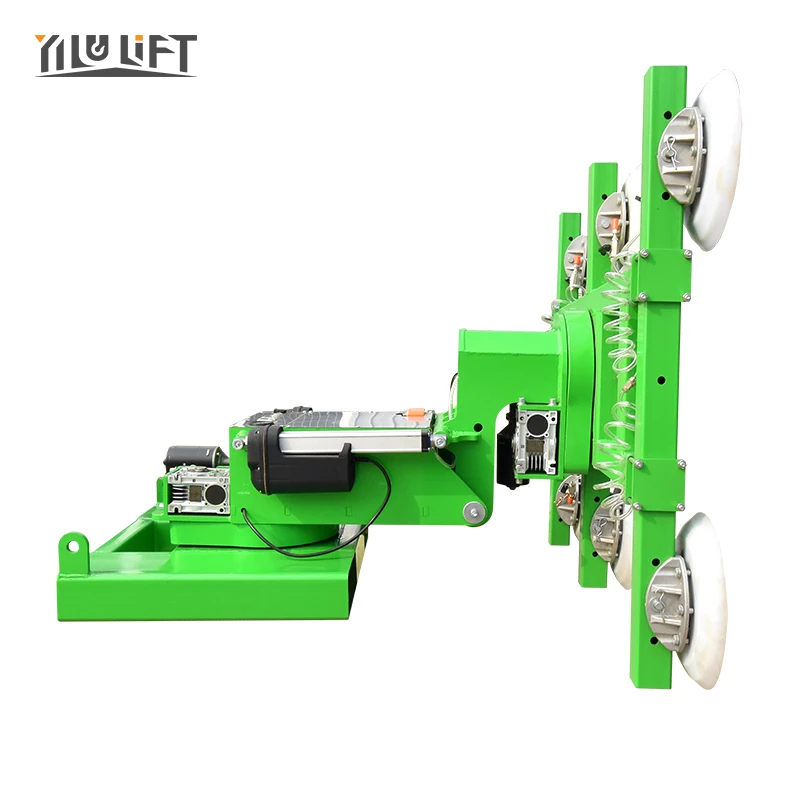
For an existing-truck application, YILU LIFT’s forklift vacuum lifter provides the product starting point. The enquiry can identify what is known about the truck and what is still needed from the attachment supplier. That may include its weight, a mounting drawing, or details of the supplied retention components.
Once the technical questions have answers, bring the agreed changes into the quotation and drawing. Those documents should describe the equipment that will arrive, including the mounting arrangement reviewed with the forklift manufacturer.