
Scissor Lift Setup Time: How to Improve Job Site Productivity

Scissor Lift Setup Time: How to Improve Job Site Productivity

2026-07-31
72

目次

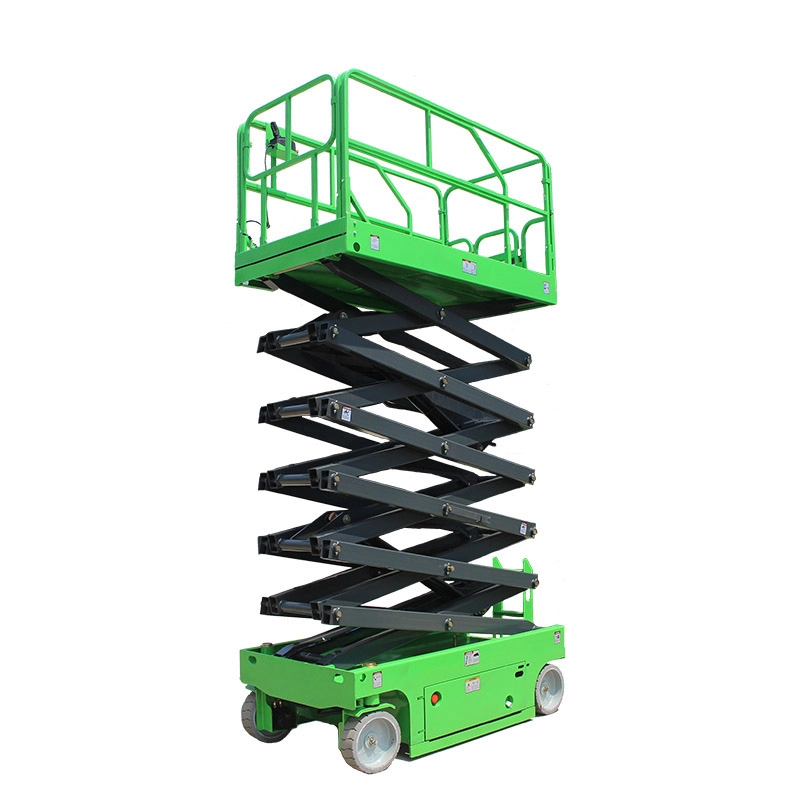
    シザーリフト can shorten access cycles, but those gains disappear when delivery, inspection, positioning, charging, or site clearance is poorly coordinated. For contractors, rental companies, distributors, and buyers, scissor lift setup time is a measurable operational variable rather than a pre-start activity. A disciplined process improves labor utilization, availability, schedule reliability, and total cost of ownership without bypassing safety controls across B2B operations. YILU LIFT is a leading factory in Qingdao, China, focused on innovation and automation in aerial work platforms, cranes, spider cranes, vacuum lifters, suction lifting equipment, and scissor lift tables.

    self-propelled-scissor-lift-job-site-productivity


    Why Setup Time Is a Productivity KPI

    Direct Time and Hidden Delay

    Setup includes more than unloading and raising the platform. It begins with transport access and continues through handover, inspection, work-zone control, ground verification, functional testing, and material staging. Delays appear as idle labor, blocked corridors, repeated repositioning, missing charging capacity, or waiting for authorization. Repeated across shifts, these interruptions reduce job site productivity.

    Utilization, Rental Turnover, and Project Cost

    Equipment managers should distinguish scheduled hours from productive operating hours. A practical utilization ratio divides productive machine hours by scheduled machine hours. Setup, avoidable relocation, charging delays, and nonmechanical waiting reduce the productive numerator. For rental fleets, faster inspection, charging, documentation, and dispatch increase availability. For contractors, reduced start-up variance supports labor planning.

    Establish a Reliable Setup Baseline

    Map the Setup-to-Work Sequence

    A baseline should record arrival, unloading, access-route clearance, operator handover, pre-use inspection, function test, travel to the work zone, barricading, platform loading, and first productive elevation. Timing only final positioning hides upstream constraints. Timestamped records across comparable shifts reveal bottlenecks by project type, machine class, and location.

    mini-scissor-lift-indoor-narrow-access


    Preserve Mandatory Inspection Steps

    Productivity improvement must not compress required safety checks. Safety guidance calls for worksite hazard assessment, trained operators, equipment maintenance, manufacturer instructions, and controls for fall protection, stabilization, and positioning. It also recommends testing controls before each use, checking guardrails, and verifying that brakes hold the machine.

    Verify the Operating Area Before Mobilization

    Firm, level surfaces, adequate load-bearing capacity, overhead clearance, traffic separation, and safe distance from electrical hazards should be confirmed before entry. Holes, slopes, debris, trenches, manholes, and uncompacted backfill can create instability. Early verification prevents route changes and unsafe improvisation.

    Reduce Setup Time Without Creating Risk

    Standardize Site Readiness Information

    A pre-arrival form can cover doorway dimensions, aisle width, floor loading, surface condition, travel distance, indoor or outdoor use, wind exposure, charging points, delivery windows, and traffic-control responsibility. Procurement and rental staff can match equipment before dispatch instead of correcting mismatches after arrival.

    Select the Machine Around the Workflow

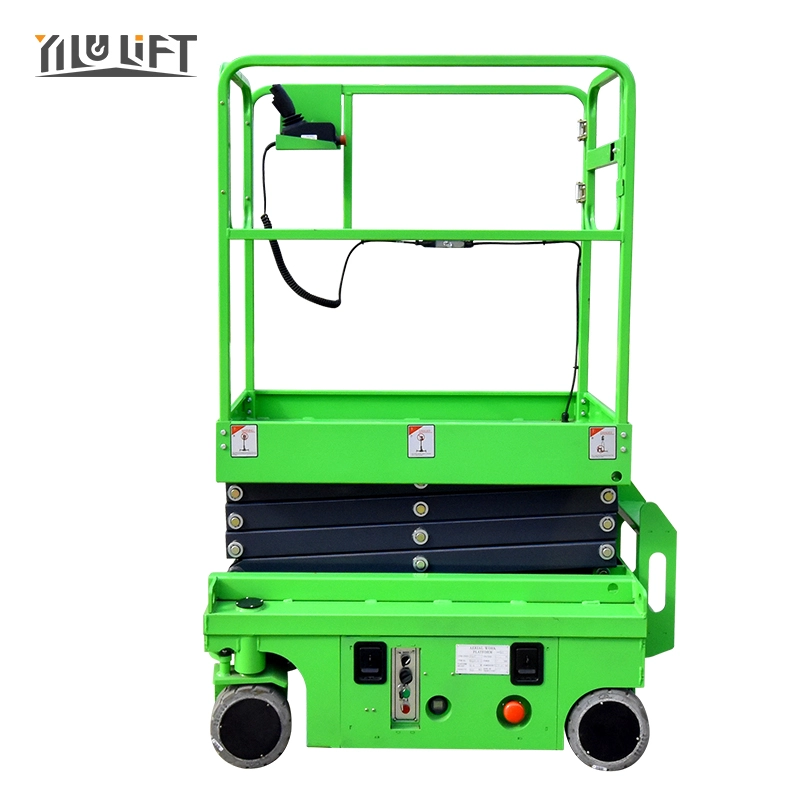
    Working height alone is insufficient. Selection should include platform capacity, stowed dimensions, turning requirements, gradeability, tire type, drive system, ground clearance, platform extension, duty cycle, and power source. A compact 移動式シザーリフト may reduce repositioning time indoors, while variable surfaces may require a suitable configuration. Operation must remain within manufacturer limits.

    Pre-Stage Energy, Tools, and Materials

    Charging plans should align with shift schedules, electrical infrastructure, and expected duty cycle. Batteries and charging areas should be checked before deployment. Tools and materials should be staged within rated platform capacity to minimize repeated descents. Load planning must account for personnel, tools, components, and platform extension limits.

    Use One Checklist and One Handover Standard

    A single controlled checklist can combine receipt condition, pre-use inspection, function test, defect reporting, work-zone release, and operator acknowledgement. Digital records add timestamps and delay codes. Shift-start inspection remains essential for identifying mechanical or technical issues before operation.

    Procurement Criteria That Support Faster Deployment

    Evaluate Access and Setup Characteristics

    Bid comparisons should request stowed length, width, height, machine weight, platform dimensions, rated load, maximum occupancy, indoor and outdoor ratings, permissible slope, turning radius, tire specification, charging requirements, and transport information. These fields determine whether equipment can reach the work face without route changes or replacement units.

    Assess Maintainability and Fleet Readiness

    Service access, diagnostic clarity, spare-parts availability, battery availability, emergency lowering, and documented maintenance intervals affect turnaround time. Analysis should include inspection labor, maintenance downtime, parts lead time, and technician training. A lower purchase price can be offset by slow troubleshooting or extended parts shortages.

    Require Complete Technical Documentation

    A qualified supplier package should include operating manuals, maintenance schedules, inspection criteria, rated-capacity data, electrical and hydraulic information, parts support, warranty terms, and training materials. Documentation should match the delivered configuration and destination-market requirements. Clear records reduce commissioning delays across operations.

    Manage Setup Time Across Projects and Fleets

    Track Operational Metrics

    Useful metrics include delivery-to-ready time, first-elevation time, relocation time, charging delay, defect downtime, site acceptance, and productive-hour utilization. Results should be segmented by machine type and application because one average may conceal weak deployment processes.

    Apply Delay Codes to Root Causes

    Delay codes can separate equipment faults from site readiness, operator availability, access obstruction, power supply, weather, traffic control, and material staging. Review should focus on recurring categories. Corrective action may involve specification changes, revised dispatch questions, additional charging infrastructure, operator familiarization, or different delivery sequencing.

    A Practical Improvement Plan

    Run a Controlled Pilot

    A 30-day pilot can compare current practice with a standardized process on similar tasks. Setup duration, productive hours, repositioning, and defects should be recorded. Required inspections and manufacturer procedures must remain intact. Success depends on repeatability, not one unusually fast shift.

    Convert Results Into a Standard Operating Package

    The final package should include a site-readiness form, equipment-selection matrix, delivery checklist, pre-use inspection record, work-zone release, charging plan, delay codes, and dashboard definitions. Procurement, safety, operations, and rental coordination teams should approve the same workflow. Standardization scales productivity gains across projects.

    Frequently Asked Questions

    What Is Included in Scissor Lift Setup Time?

    It covers delivery access, unloading, handover, inspection, testing, travel, ground and overhead assessment, traffic control, material staging, and the interval before productive elevation.

    How Can Setup Time Be Reduced Safely?

    Reduction comes from better pre-arrival data, correct machine selection, cleared access routes, charging infrastructure, staged materials, trained operators, and one standardized checklist. Inspection, stabilization, positioning, and manufacturer limits should never be removed.

    Which Specifications Matter Most for Procurement?

    Working height, rated capacity, stowed dimensions, machine weight, platform size, turning requirements, gradeability, power source, duty cycle, tire type, ground clearance, service access, documentation, and parts support influence deployment speed and lifecycle cost.

    How Does Setup Time Affect Rental Fleet Performance?

    Long setup, return-processing, charging, or repair intervals reduce availability and productive utilization. Consistent inspection, documented handover, rapid defect triage, and application matching can shorten turnaround between contracts.

    Should Setup Performance Be Measured by Machine Type?

    Yes. Compact indoor units, outdoor units, crawler configurations, and higher-capacity platforms face different access, surface, transport, and charging constraints. Segmented metrics provide better decisions than one blended average.

    Build a Faster, More Predictable Access-Equipment Program

    Start a Factory-Direct B2B Procurement Discussion

    For distributors, rental fleets, contractors, and industrial project owners seeking scalable access and lifting equipment, イールーリフト operates as a manufacturer and factory offering mobile scissor lift equipment, scissor lift tables, aerial work platforms, cranes, spider cranes, vacuum lifters, and suction lifting solutions. Technical requirements, application conditions, order volumes, documentation needs, and delivery planning can be submitted through the official contact channel for a factory-direct quotation and procurement review.