

Cherry Picker Buying Guide 2026: Key Quality, Customization & Service Tips
Cherry Picker Buying Guide 2026: Key Quality, Customization & Service Tips
The cherry picker lift is among the key aerial work platforms, which are extensively used during construction, maintenance of industrial facilities, erection of steel structures, installation of signs, repair of warehouses, and other kinds of operations where height access must be safely ensured. As regards the purchase of cherry picker lifts for B2B customers, the device will be utilized for a number of years and influences site safety, time saving, maintenance costs, and equipment availability.
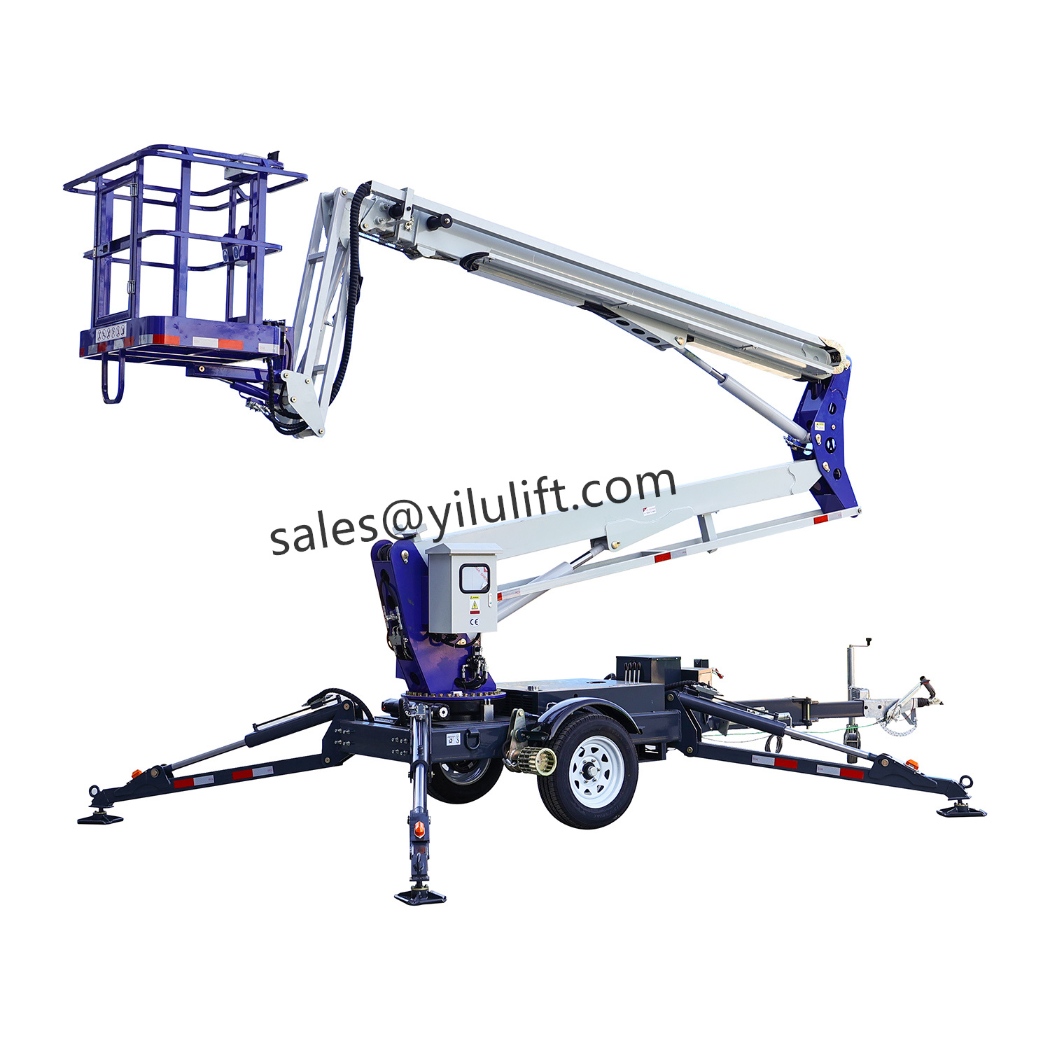
By 2026, consumers have started to take into account factors such as build quality, configurability, choice of power source, and after-sales service when making purchasing decisions.
YILU LIFT manufactures aerial work platforms, including towable cherry pickers, articulated boom lifts, and tracked options for different site conditions and industrial access needs.
B2B Procurement Considerations for Cherry Picker Lifts
Purchase of a cherry picker lift is an investment that takes into account the future. Renting aerial lifts is a possibility for short-term projects or temporary demand. Owning one would mean greater control on the schedule, access, and TCO.
In cases where there are frequent maintenance, installation, and construction services, investing in good lift facilities will prove beneficial in the long run. This is because lift rentals might not always be available since they could run into shortages during peak periods for projects.
Essential Technical Specifications
Key Performance Metrics
A good purchasing decision should start with clear technical requirements. The most common checks include:
- Working Height & Reach:Match platform height and horizontal outreach with the real project need. Overbuying height adds cost without much value.
- Payload & Capacity:The machine should safely carry operators, tools, and light materials used during work. Typical capacities in YILU LIFT’s lineup range from standard to high-capacity options.
- Power Source:Electric drives are suitable for indoor or low-noise environments. Diesel or dual-power options are better for outdoor jobs, longer work cycles, or rougher ground.
A simple breakdown of typical lift attributes can help clarify basic selection points:
|
Feature |
Typical Range |
|
Working Height |
12–26 m |
|
Platform Capacity |
200 kg |
|
Boom Type |
Articulated / Telescopic |
|
Power |
Electric / Diesel / Gas / Dual |
These figures reflect common configurations in YILU LIFT’s boom lift and cherry picker offerings.
Boom Lift Types & Applications
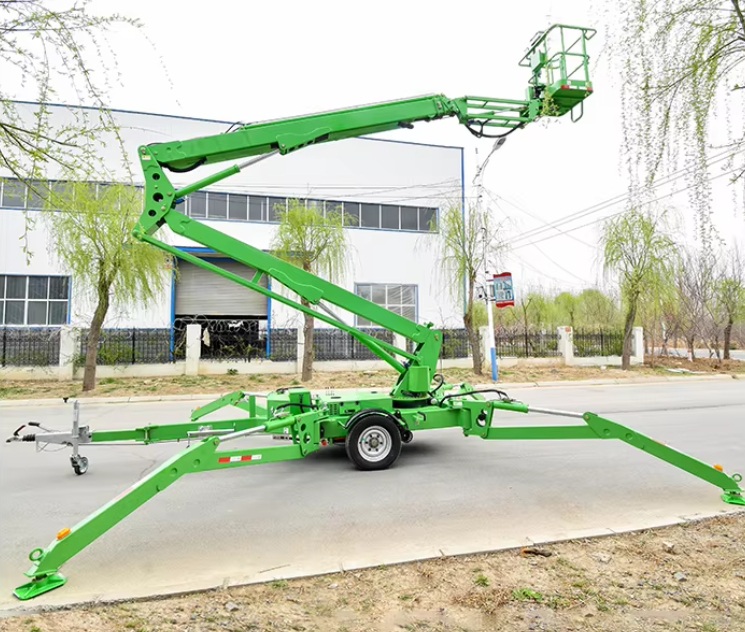
Not all cherry pickers serve the same job. The two main boom styles — articulated and telescopic — are used in different working conditions:
- Articulated Booms:Suitable for moving around obstacles and reaching hard-to-access spaces.
- Telescopic Booms:Better for direct vertical and horizontal outreach, such as facade work, roof edge access, or routine maintenance.
Matching boom type with the actual jobsite helps reduce unnecessary cost and avoids buying a machine that is too complex, too large, or not flexible enough for daily work.
Cherry Picker Lift Quality and Safety Standards
The quality inspection is done by checking the details of the product, rather than just looking at the photos. The buyer should inspect steel framework, welds, hydraulic cylinders, control functions, emergency descent mechanisms, overload protection, and outrigger systems.
Durability is important for equipment that operates on difficult sites every day. Durability factors include strength of construction, solid hydraulics, and proper safety systems to minimize failures and maximize longevity. Generally, most decent quality cherry picker lifts have certain safety elements like a load cut-off feature.
Certifications like CE and ISO9001 make good criteria for evaluating the supplier. For importers and contractors, certifications, manual documentation, load test reports, and spare part availability will lower the risk of non-compliance once the machine has been delivered.
Customization Options
Standard machines work for many jobs, but some B2B buyers need custom setups for special site conditions. Customization may include:
- Power Configurations:Different voltage, electric, diesel, gas or dual-power options to match site infrastructure.
- Operator Comforts:Practical control layout, safety rails, platform access, and deck features for easier daily use.
- Terrain Enhancements:Tracked crawlers, outriggers, or stabilizing features for uneven ground.
YILU LIFT offers options that can be matched with different working environments, from indoor maintenance to outdoor access work.
ESG and Low-Emission Site Requirements
ESG is beginning to influence machinery procurement, particularly with regard to industrial plants, warehousing, airports, shopping malls, and urban projects. Electric cherry picker lift solutions will come in handy where minimal noise, clean indoor working environment, and reduced local emissions are desired.
The role of diesel-powered and dual-powered machines should not be underestimated for outdoor conditions, particularly where high run times and adverse ground conditions prevail. The trick lies in matching the power system with the site regulation. In certain indoor applications, it may be that low noise levels and zero local exhaust determine whether the machine is suitable for use.
Service & After-Sales Support
After purchase, service support becomes just as important as machine specifications. A solid supplier should provide:
- Scheduled Maintenance:Regular checks help extend machine life and catch small issues early.
- Parts Availability:Fast access to spare parts can reduce downtime.
- Training & Documentation:Operator manuals, maintenance guides, and basic training help improve safe and efficient use.
Procurement teams should consider factors such as warranties, reaction time, provision of spare parts, and technical support in their decision-making. The less expensive piece of machinery might turn out to be more expensive because parts may not be readily available later on.
New vs Used Cherry Picker Lifts
Used equipment is quite attractive because of its lower cost. However, the purchaser must consider the maintenance history, mechanical wear, working of hydraulics, batteries, control systems, safety features, and regular certification.
New platforms from manufacturers such as YILU LIFT give buyers access to updated safety features, factory support, and full service plans. This can be a safer option for companies that need predictable working life and long-term support.
Procurement Checklist for B2B Buyers
- Match platform height and reach with project needs.
- Confirm payload capacity for operators, tools, and light materials.
- Select the boom type according to jobsite layout and access direction.
- Check power source based on indoor, outdoor, low-noise, or rough-terrain use.
- Verify certifications, safety features, and testing documents.
- Review customization options for power, controls, outriggers, and terrain needs.
- Compare warranty terms, spare parts supply, and service response.
- Evaluate total cost of ownership, including parts, maintenance, and downtime.
Conclusion
Selecting an appropriate cherry picker lift in 2026 is not simply about examining height, load carrying capability, and the price tag of the equipment. A more practical solution would be finding a cherry picker lift that meets actual job site conditions, services required, safety standards, and cost of ownership.
YILU LIFT offers boom lifts and cherry pickers, including towable, articulated, and tracked models, for various industrial access needs. Contact us today for custom configurations, expert technical support, and tailored recommendations.
FAQs
Q1: What height ranges are available for YILU LIFT’s cherry picker lift models?
A: YILU LIFT offers cherry picker work platforms with working heights typically from around 12 meters up to 26 meters. The right height should be selected according to the actual work area, not only the highest possible reach.
Q2: How does power source affect a boom lift’s performance in different environments?
A: Electric models are quieter and more suitable for indoor or low-emission sites. Diesel / gas / dual-power cherry picker lifts are often better for outdoor work, longer shifts, and rougher terrain.
Q3: What service features matter most after aerial work platform procurement?
A: Warranty coverage, spare parts supply, maintenance guidance, and technical response time are important after purchase. These service factors directly affect uptime and long-term ownership cost.
Q4: Can cherry picker lifts be customized for specific tasks and site conditions?
A: Yes, cherry picker lifts can be customized with different power options, outriggers, tracked bases, platform features, and control layouts. Customization should be based on real site conditions and daily work needs.
Q5: Is it better to buy new or previously owned cherry picker platforms?
A: New aerial work platforms usually offer updated safety features, factory support, and full service documents. Used lifts can save money, but they should be carefully checked for wear, service history, hydraulic condition, and certification status.
