
Electric Spider Crane: Check the Power Supply Before You Order
Electric Spider Crane: Check the Power Supply Before You Order
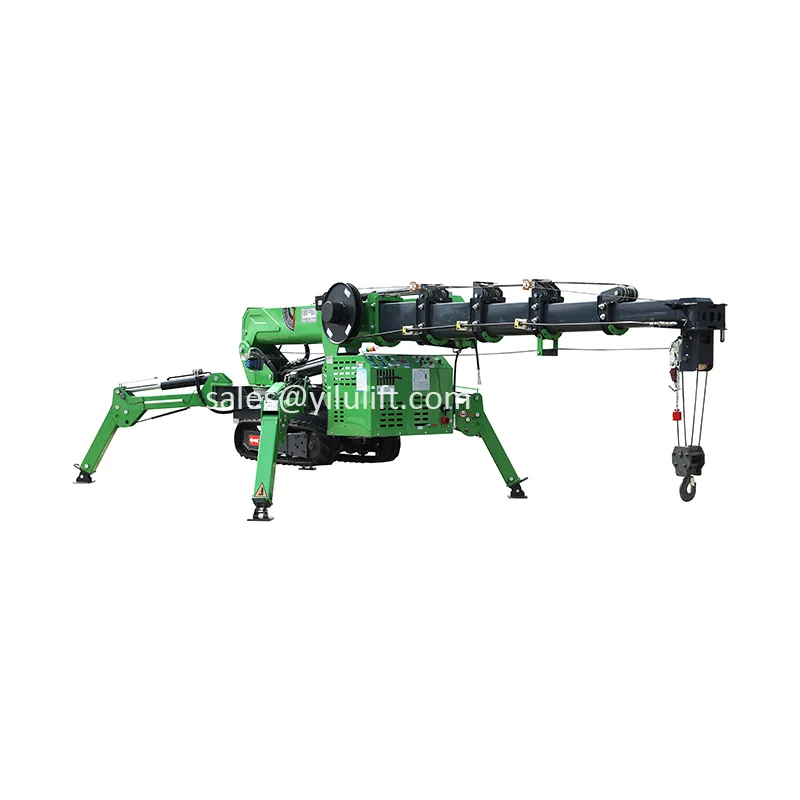
An electric spider crane needs a power arrangement that fits the job site as well as the lifting task. Before comparing quotations, a buyer needs to know what “electric” describes: a crane connected to an AC supply, a battery-powered configuration, or an electric option alongside a fuel engine. Those descriptions leave different questions for the site team.
The useful starting point is the proposed model and its power specification. A quotation can sound suitable at first, yet leave unclear how the crane reaches its working position, which functions operate on electric power, and what electrical supply must be available. Sorting out those points before ordering gives the purchasing team a clearer basis for discussion with YILU LIFT.
What Does “Electric” Mean on the Quotation?
The published YILU LIFT spider crane range includes AC-plus-gasoline and AC-plus-diesel entries in its power table. That wording describes combinations of power sources. It should not be read as a battery specification, and a configuration shown for one model should not be carried across to another.
For a quotation that lists AC power, the next question is what the crane requires from the site supply. For a quotation that specifically offers a battery, the questions change to the battery, charger and working schedule. A battery stores electricity for later use; the word “electric” alone does not establish that a battery is included.
This distinction matters when a purchasing brief simply says “electric crane required.” The requirement may mean that the engine must remain off during lifting. It may instead mean that the crane must complete the whole task without a trailing power cable. These are different requests, so the brief should state the actual working condition.
A short written description is more useful than a broad label: the proposed power configuration, the functions needed under that configuration, and any restrictions imposed by the site. YILU LIFT can then be contacted about the specific model under consideration. Battery availability, where relevant, remains a model-specific question.
Check How the Crane Travels and Lifts
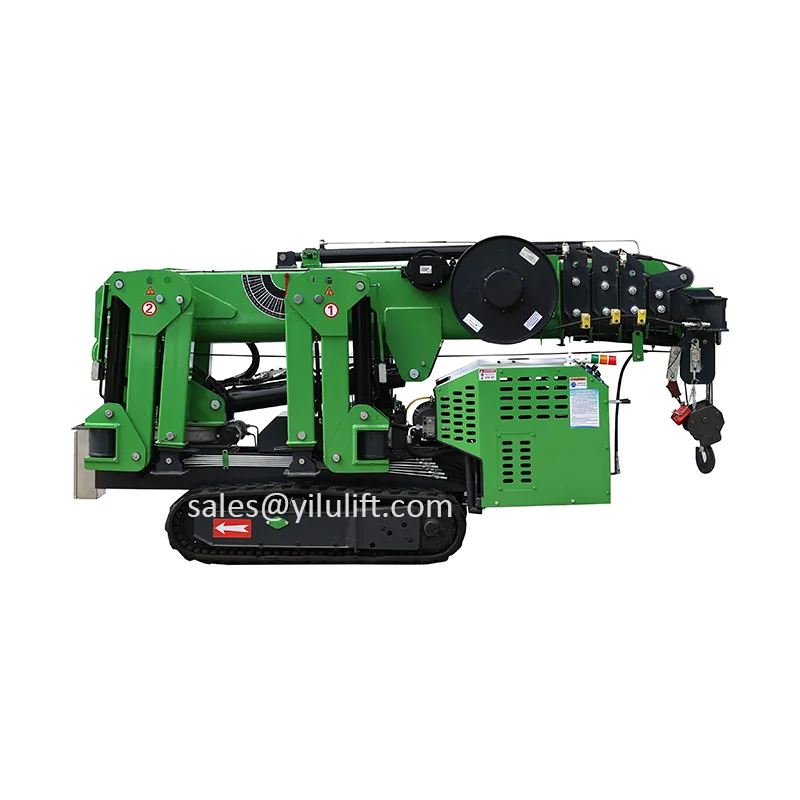
Moving to the work position and carrying out a lift are separate parts of the job. Both need to appear in the power discussion. A buyer who asks only whether the boom operates electrically may still have unanswered questions about getting the crane into position or moving it between tasks.
YILU LIFT’s published walking-mode entry states “hydraulic motor drive.” That identifies the listed drive arrangement, but it does not establish which power source permits travel on a particular configuration. It is therefore worth asking whether the quoted model can travel in AC mode, which functions require the engine, and what restrictions apply when changing modes.
The site sequence makes those questions concrete. Will the crane arrive at one working position and remain there? Will it need to move again after the initial lift? Is engine operation restricted along the access route, at the lifting position, or throughout the premises? Answers should describe the intended job rather than assume a feature from the product name.
Power selection also belongs alongside the lifting requirements. Buyers comparing spider crane lifting capacity still need a model suitable for the planned load and working position. An acceptable power arrangement does not settle that separate selection question.
Match the Electrical Supply to the Site
The published electrical specification lists AC 380V, with customization according to customer needs. For a US project, that is a point to discuss during selection, rather than a basis for assuming the proposed crane matches the available supply. The order needs its own confirmed electrical specification.
Voltage is only part of that conversation. The site’s frequency and phase, the required connection arrangement, and the supply requirements of the quoted equipment all need checking by the appropriate technical personnel. A catalogue voltage entry does not answer every one of those questions.
A practical enquiry can separate the information into two sides:
|
Site information to provide |
Equipment information to confirm |
|
Available voltage, frequency and phase |
The electrical configuration quoted for the selected model |
|
Location of the proposed supply point |
Connection requirements for that configuration |
|
Intended working positions |
Any restrictions affecting operation from the proposed supply |
|
Limits on engine use |
Which required functions are available in the selected power mode |
Some of these details may sit with the facility team rather than the buyer. Collecting them before the order avoids leaving a general phrase such as “suitable for local power” to carry the whole requirement. The agreed configuration should be identifiable in the quotation and order documents.
This is a procurement check, not an electrical installation procedure. Cable selection, electrical protection and connection work require the equipment requirements and site conditions to be assessed together. A general buying article cannot specify that arrangement for every installation.
Plan for Cable Access or Charging Time
For an AC-powered proposal, the supply point and the crane’s working position need to be considered together. A floor plan can help the technical discussion: where power is available, where the crane is expected to operate, and whether the job involves more than one position. Routes used by people, vehicles or other equipment should be identified for the site team’s assessment.
There is no useful universal cable-length recommendation for all of these jobs. The relevant question is whether the proposed connection arrangement is suitable for the selected equipment and the actual layout. Where the working position changes, that change belongs in the enquiry too.
Charging questions apply only if a battery configuration is specifically proposed. In that case, ask for the battery and charger details, the conditions behind any stated operating time, and the charging arrangement needed for the intended schedule. A runtime figure without its working conditions gives the buyer little basis for comparing offers.
Waiting between lifts, relocating the crane and lifting throughout a shift are different descriptions of a working day. The enquiry should explain the expected pattern. It should also ask whether operation during charging is permitted if that feature matters to the job. Neither charging during operation nor a full-shift runtime should be assumed.
For an AC-plus-fuel proposal, keep the discussion focused on those stated power sources. Battery questions should not turn into a battery capability claim about equipment that has not been quoted with one.
Compare Quotes with the Same Power Scope
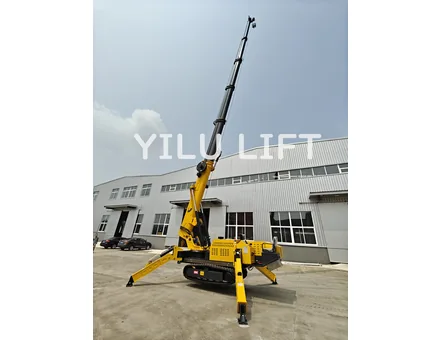
Two offers are easier to compare when they describe the same work. Start with the model, the proposed power sources and the functions required in each mode. Then check the electrical specification, included connection or charging equipment where applicable, and any conditions still awaiting agreement.
The lowest quoted price is difficult to assess if one offer leaves the power configuration open. A brief comparison sheet can mark each item as included, excluded or awaiting confirmation. That keeps unresolved details visible without treating them as supplied equipment.
YILU LIFT requests the material, dimensions and weight of the item being handled when discussing requirements. Alongside those details, buyers can provide the intended working sequence, available supply and restrictions on engine operation when they discuss a spider crane requirement with YILU LIFT.
The useful outcome is a quotation that describes how the selected crane is expected to work on the actual site. “Electric” is the starting description. The power source, available functions and agreed electrical configuration are the details that make it meaningful for an order.