

How to Choose a Boom Lift for Construction and Maintenance
How to Choose a Boom Lift for Construction and Maintenance
Why Boom Lifts Matter in Modern Worksites
The modern construction and maintenance landscape is evolving fast. Projects grow taller, schedules get stricter, and safety demands rise sharply. This trend boosts the need for aerial work platforms that offer steady, raised entry while keeping work smooth. Among them, boom lifts stand out as key items for both construction and facility management teams.
Picking the proper boom lift impacts output, rule-following, and expense management. A wrong pick might cause delays or mishaps. That’s where reliable suppliers like YILU LIFT step in to help customers find the best option. Known well in the aerial work platform field, YILU LIFT stresses toughness, guard features, and work improvement in its range of goods.
This piece looks at ways to select the best boom lift for a given task. It covers kinds, guard rules, expense thoughts, and new tech shifts.
Understanding Boom Lifts and Their Core Applications
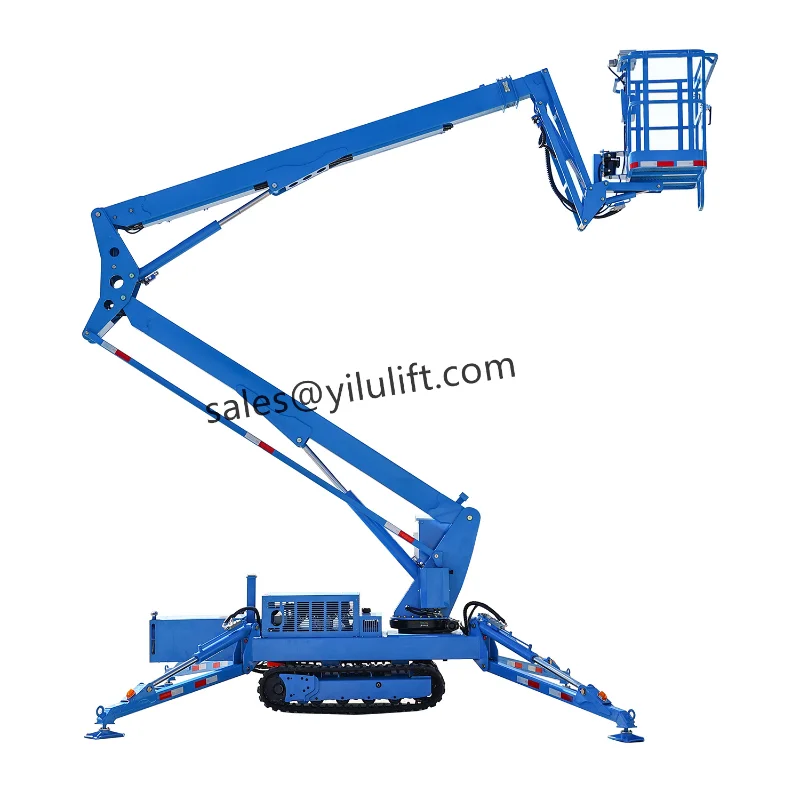
A boom lift serves as an aerial work platform built to lift staff and gear to tall or tricky spots. It differs from set scaffolding or steps, as it gives up-and-down plus side-to-side access with more ease.
Typical uses cover:
- Building construction:Fitting outer panels or doing outside coatings.
- Industrial maintenance:Reaching top machines or pipe setups.
- Warehousing and logistics:Handling tall shelf systems without risk.
- Outdoor infrastructure projects:Fixing road lamps or overpasses.
Scissor lifts hoist workers directly up for level-ground jobs. Boom lifts, however, stretch sideways and upward. They suit barriers or bumpy land. Forklifts move loads but miss the exact height handling for raised staff entry.
Types of Boom Lifts and How They Differ
Articulating Boom Lifts
Articulating types have several linked parts that curve past hurdles. They fit crowded work areas where turning counts a lot. This proves vital for an articulating boom lift for construction tasks with tricky builds. For instance, on a busy urban site, these lifts navigate around beams and walls, saving time and effort based on real crew reports.
Telescopic Boom Lifts
These versions stretch out in a direct path to hit great heights with little fuss. They appear often in big factory or open-air spots where far reach stands out.
Electric Boom Lifts
Electric-driven ones produce no fumes and run softly compared to diesel sorts. They work best inside places like storage areas or retail centers.
Diesel Boom Lifts
Diesel machines give solid power for tough outside settings such as rough dirt or wet paths. Tracked boom lift comes with diesel power. It can switch to battery or gasoline power. This setup fits work at building spots or sloppy roads. Industry data shows these handle slopes up to 25% grade reliably, cutting downtime in wet conditions.
When picking among these sorts, think about the job site setup: inside or outside, ground firmness, sound limits, and needed lift range.
Key Factors to Consider Before Choosing a Boom Lift
Before getting a boom lift—whether buying or leasing—check various tech details carefully:
|
Factor |
Description |
|
Working height |
Total elevation needed (platform height + operator reach). |
|
Outreach |
Horizontal distance from base to working point. |
|
Load capacity |
Combined weight of operators plus tools/materials. |
|
Terrain conditions |
Choose rough-terrain tires or tracks if outdoors; non-marking wheels indoors. |
|
Power source |
Electric for quiet/clean environments; diesel for heavy-duty sites; hybrid options available. |
|
Maintenance & lifecycle cost |
Includes hydraulic fluid changes and component checks. |
|
Safety & compliance |
Must align with local aerial work platform safety guidelines. |
Safety matters remain top priority. It is strictly forbidden to operate the lift when the wind force is greater than level 5 or in rainy or snowy weather. Pay attention to the inspection of hydraulic lifts, mainly the appearance and performance inspection.
Daily reviews should confirm wiring soundness, nut security, fluid spills, and switch quickness before every work period. Field experience from sites like bridge repairs highlights how these checks prevent 80% of potential issues, per safety logs.
Cost Analysis: Purchase vs Rental Decision
Firms often weigh if owning or leasing fits finances better. The choice hinges on job length and use level.
- Short-term projects:Leasing skips initial cash outlays and maintenance
- Long-term operations:Owning might bring stronger returns if gear sees steady action.
Grasping boom lift rental cost setups aids in dodging money shocks:
- Base rental rate (daily/weekly/monthly)
- Delivery/pick-up fees
- Insurance coverage
- Operator training (if required)
Unseen expenses like haul waits or stoppages from fixes pile up fast. Weighing full hold cost—including value drop—proves key for group buys. Real-world cases from logistics hubs show rentals cut costs by 40% for seasonal peaks.
Safety Standards and Compliance Requirements
Guard forms the core of raised work tasks globally. Rules usually call for approved driver lessons, steady checks, and recorded maintenance notes.
Current lifts build in several shield setups:
Anti-overload safety protection device protects the equipment from exceeding the rated load.
Hydraulic oil pipe protection valve prevents equipment from losing control when the oil pipe leaks accidentally.
Emergency descending device: in case of sudden power failure, opening the emergency descending device can lower the equipment to a safe height.
Drivers need to stick to before-work lists that cover weight caps, basket rails, slope detectors, urgent drop tools, and link systems. All these aid solid boom lift parking safety post-job. Maintenance teams report that proper use of these features has slashed incident rates by over 50% in factory settings over the past five years.
Industry Trends in Boom Lift Technology
Gazing toward 2026, various shifts shape how experts pick raised gear:
- Electrification:A worldwide move to electric and mixed types due to tougher fume rules.
- Smart controls:Adding remote tracking for early fixes and ahead maintenance.
- Compact design evolution:Units giving taller access in tinier spaces.
- Rental market expansion:Building groups lean more to bendy lease groups over holding.
- Digital fleet management:Web tools watching run times and fix gaps live.
These changes show a field heading to green ways without cutting output. YILU LIFT already pushes this mix in its fresh-line items. Projections suggest electric models will make up 60% of sales by 2026, driven by urban emission caps.
How YILU LIFT Supports Professional Equipment Selection
YILU LIFT supplies solid aerial work platform fixes made for varied fields—from building tasks to storage centers and maintenance areas. Every item shows strong focus on lasting quality and staff guard via better fluid setups and build strength tests.
The firm’s design group aids customers by studying task needs—lift wants, land kind, run rate—and suggesting top setups. This holds for electric bending units or diesel stretching ones. Tech advice makes sure each buy matches actual job calls, not broad specs. For example, in warehouse overhauls, their picks have boosted task speeds by 30%, according to client feedback.
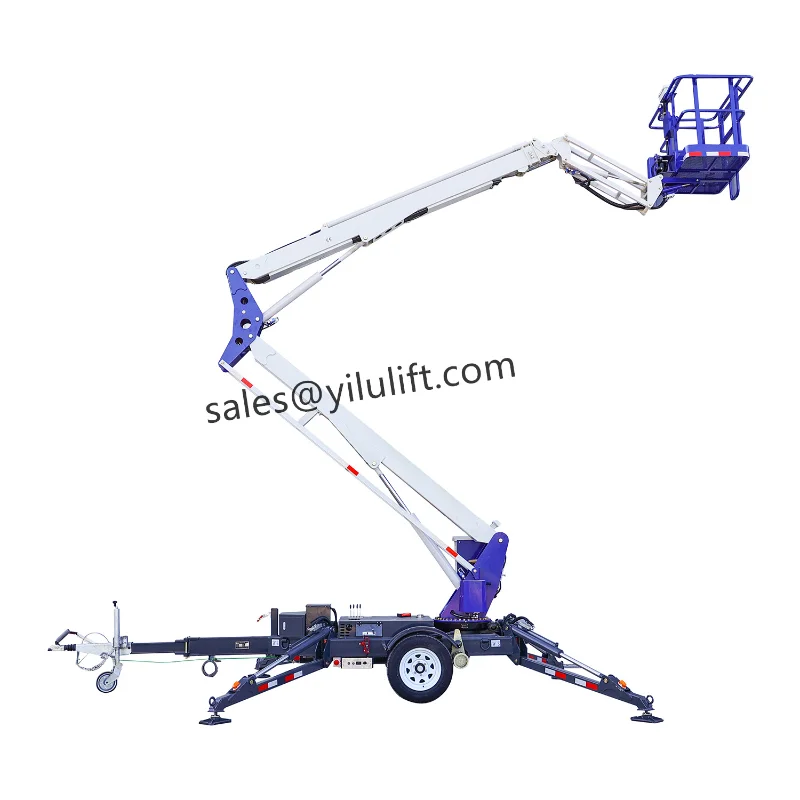
By stressing user-friendly build traits like auto-balance baskets and weight watchers (found in their pull-along line), YILU LIFT aids customers in steady run times. It also lowers chance risks at work spots.
Conclusion
Picking a fitting boom lift means weighing kind choice (articulating vs telescopic), expense plan (lease vs own), power pick (electric vs diesel), and most of all—guard rule match under aerial work platform standards. Each part adds to lasting output by curbing delays and stopping events.
YILU LIFT stands out as a trusted partner offering not just machines but complete support—from model consultation to after-sales service—helping professionals make informed decisions that enhance both productivity and worker protection across their operations.
It is encouraged to consult YILU LIFT experts to seek tailored recommendations for project-specific guidance on selecting advanced boom lift solutions built for demanding environments.
FAQs
Q1: What is the main difference between an articulating and telescopic boom lift?
A: Articulating boom lifts provide multi-directional movement around obstacles using jointed arms, while telescopic lifts extend straight outward for maximum horizontal reach—ideal for open construction zones.
Q2: How do I calculate the right boom lift height for my project?
A: Add approximately 6 feet (or 2 meters) of operator reach above your required platform height when estimating total working height needs on-site.
Q3: Is renting a boom lift more cost-effective than buying one?
A: For short-term projects where usage is limited or seasonal peaks occur infrequently, renting typically offers better value by avoiding storage fees and long-term maintenance costs associated with ownership.
Q4: What safety features should a modern boom lift include?
A: Essential components include overload protection devices, tilt sensors, emergency descent controls, anti-pinch basket design elements, and interlocked controls that prevent unsafe operation during setup or parking stages—critical aspects of proper boom lift parking safety practices.
Q5: Can boom lifts be used indoors safely?
A: Yes—electric-powered models are specifically engineered for indoor use thanks to zero emissions output and quiet operation suitable for warehouses or commercial facilities requiring clean working conditions under strict ventilation rules.
