

Hydraulic vs Electric Lift: 2026 TCO Guide for AWP Buyers
Hydraulic vs Electric Lift: 2026 TCO Guide for AWP Buyers
The decision on whether to go for hydraulic or electric aerial work platforms by an industrial purchaser has evolved beyond merely considering maximum working heights and platform load capacities. By 2026, many purchase teams will be evaluating energy efficiency, maintenance requirements, downtime possibilities, site limitations, ESG goals, and fleet versatility.
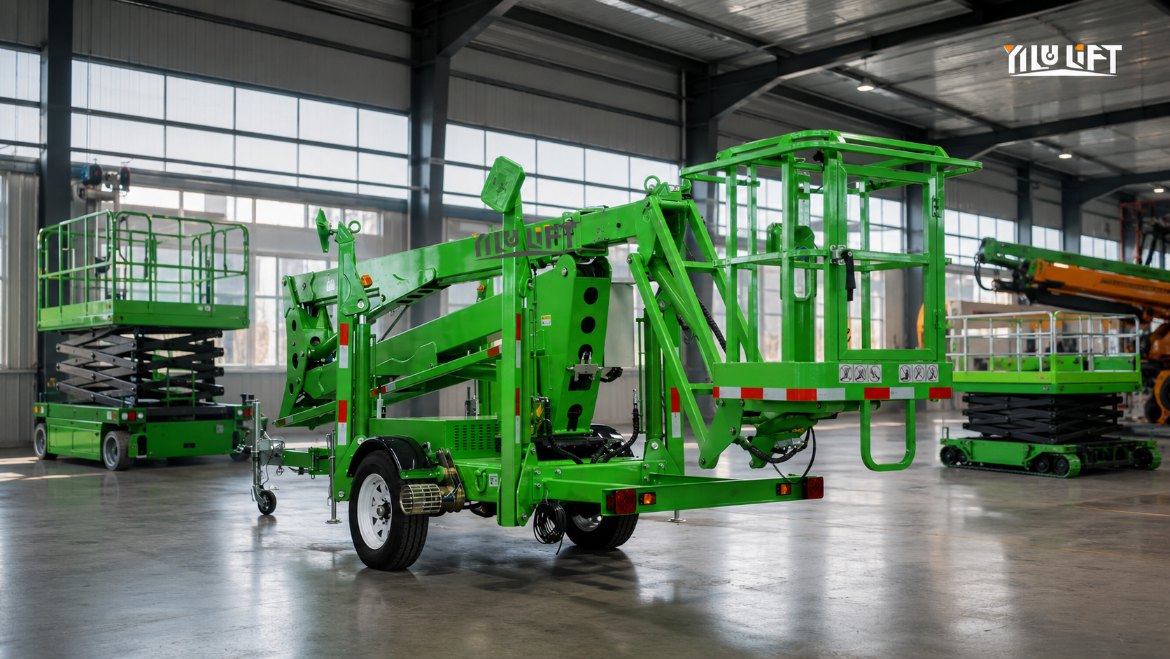
Hydraulic aerial work platforms will continue to hold their place in applications like open-construction activities, heavy-duty access needs, steel structure maintenance, sign work, and similar projects. On the other hand, electric aerial work platforms will become increasingly common in warehouses, factories, logistic centers, airports, and urban developments requiring reduced noise levels.
YILU LIFT supplies aerial work platforms, boom lifts, mobile scissor lifts, scissor lift tables, and related lifting equipment for industrial applications. For B2B buyers, the better choice is not always the newest machine or the cheapest one. The better choice is the lift that fits the real work cycle and keeps long-term cost under control.
Why TCO Matters More Than Purchase Price
Purchase price is only one part of the cost. A lift that looks cheaper at the beginning may cost more after years of fuel use, hydraulic oil service, part replacement, downtime, or poor jobsite fit.
A simple AWP total cost ownership formula can be written like this:
TCO = purchase cost + energy cost + maintenance cost + downtime cost + replacement parts – resale value
This is where many buying decisions become clearer. A contractor using a lift outdoors a few times per month may care more about lifting force and rugged use. A warehouse team using a platform every week may care more about charging cost, floor protection, noise, and maintenance frequency.
For rental companies, the calculation becomes even tighter. A machine that returns from site with oil leakage, battery damage, or control problems is not only a repair issue. It also means lost rental days.
Hydraulic Aerial Work Platforms: Where They Still Work Well
Hydraulic lifts use pressurized fluid to move cylinders and raise the platform. The system is widely used in boom lifts, scissor lifts, and lift tables. It is familiar, strong, and serviceable.
Strong Power for Outdoor and Heavy-Duty Tasks
Hydraulic equipment is often selected for jobs that need stronger lifting force, stable movement, or longer use in tough conditions. Outdoor maintenance, construction access, steel building work, and some municipal projects still favor hydraulic systems.
YILU LIFT hydraulic articulated boom lift options are suitable for elevated repair, installation, cleaning, and construction access. Boom lifts are useful when the platform needs to reach over equipment, fences, pipes, or building edges rather than moving only straight up.
Maintenance Is Familiar, But Not Free
Hydraulic systems are easy for many service teams to understand. Hoses, seals, pumps, valves, and cylinders are common industrial parts. This is useful for buyers operating in remote regions or mixed equipment fleets.
The trade-off is clear. Hydraulic oil leakage, hose aging, seal wear, and pump problems can increase service work if inspection is weak. A serious hydraulic vs electric lift comparison should include these costs, not just rated height and load.
Electric Aerial Work Platforms: Why Demand Keeps Rising
The electric aerial work platform is becoming more common in indoor and urban jobs. Warehouses, factories, shopping centers, airports, hospitals, and logistics facilities often need quiet access equipment with zero emissions.
Lower Running Cost in Frequent Indoor Use
Electric power is usually cheaper per operating hour when charging access is available. Battery-powered lifts also avoid many fluid-related service points. There is less concern about oil stains on clean floors, which matters in food storage, electronics plants, retail areas, and finished buildings.
The savings may not look huge in the first month. Over hundreds of working hours, the difference becomes easier to see.
Better Fit for ESG-Oriented Procurement
Electric AWPs support lower local emissions, lower noise impact, and cleaner indoor operation. They also reduce the risk of hydraulic oil leakage in sensitive work areas.
For buyers facing ESG reporting, low-emission site rules, or indoor air quality concerns, this is not just a “green” label. It can decide whether a machine is allowed to work inside the building at all.
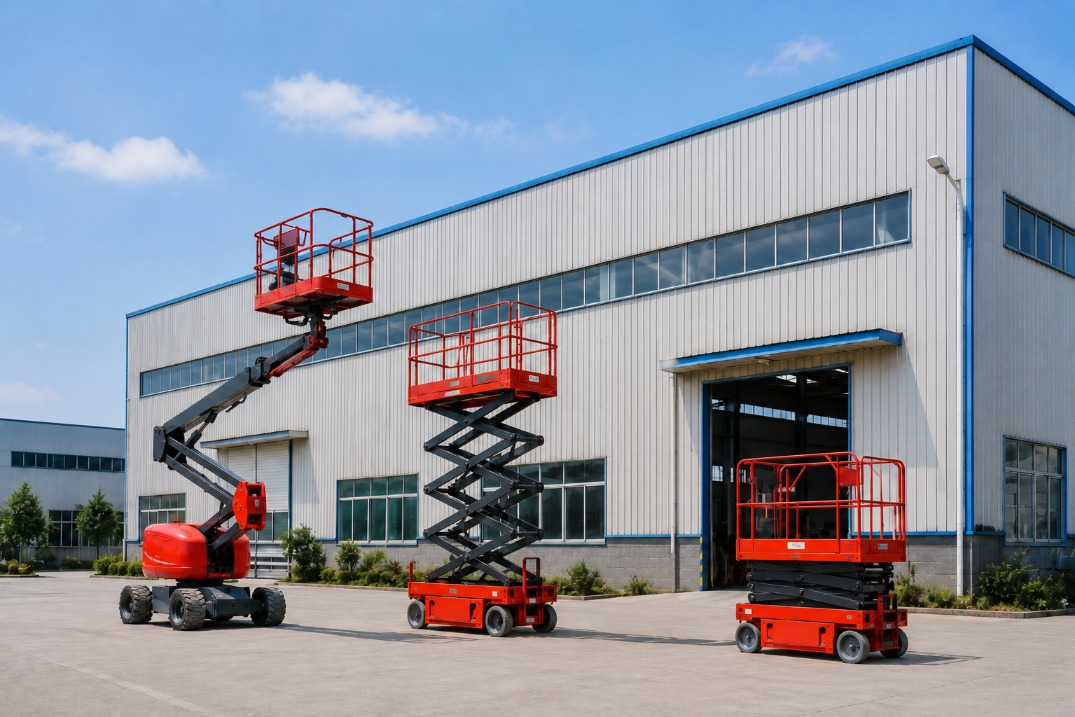
Hydraulic vs Electric Lift Cost Comparison
|
Cost Factor |
Hydraulic Lift |
Electric Lift |
Buyer Note |
|
Purchase cost |
Often lower or mid-range |
May be higher depending on battery and controls |
Model specs decide the real gap |
|
Energy cost |
Higher if fuel support is needed |
Usually lower with charging access |
Strong for repeated indoor work |
|
Maintenance |
Hoses, seals, oil, pumps |
Battery, charger, motor, controller |
Both need planned service |
|
Downtime risk |
Leakage or pump failure |
Battery misuse or charging issues |
Operator habits matter |
|
Indoor use |
Limited by noise, emissions, or oil concerns |
Strong advantage |
Good for factories and warehouses |
|
Outdoor work |
Strong in rugged conditions |
Depends on terrain and duty cycle |
Site condition matters |
|
Long-term TCO |
Strong for heavy outdoor use |
Strong for frequent indoor use |
Application decides the winner |
Key Buying Checks Before Choosing a Lift
A lift should match the site, not just the catalog.
Working Height and Outreach
For straight vertical access, a mobile scissor lift may be enough. For crossing over machinery, racking, pipelines, or building structures, a boom lift is usually more practical. YILU LIFT boom lift products are relevant for maintenance, installation, cleaning, and construction access.
Load Capacity and Tool Weight
Platform capacity should consist of labor, equipment, and materials. If a lift is only rated for the transport of laborers, then panels, toolboxes, and installation packs may be inappropriate cargo. Hydraulic lifts might be more appropriate for heavy lifting, and electric lifts would generally suffice for light, repetitive operations.
Floor, Space, and Charging Conditions
An indoor purchaser will be interested in the weight-bearing capacity of the floor, aisle width, door clearance, turning space, and charging capabilities. An outdoor purchaser will be interested in slope, surface conditions, obstructions, and weather exposure. One machine can perform well on a clean warehouse floor and feel completely wrong on a muddy jobsite.
2026 AWP Buying Trend: Electric Growth, Mixed Fleet Strategy
The market is leaning toward electric access equipment, especially in indoor maintenance, logistics, and urban projects. Lower noise, cleaner operation, and ESG pressure are pushing this shift.
However, electric lifts must not be chosen blindly in preference to hydraulic lifts. An outdoor contractor dealing with a rough terrain and working on a shift basis would require hydraulic lifting equipment. A factory maintenance staff working amidst lights, ceilings, sprinklers would find electric lifts more useful.
For many industrial fleets, the practical answer is a mixed setup:
- Hydraulic boom lift for demanding outdoor access
- Electric mobile scissor lift for indoor maintenance
- Scissor lift table for loading, positioning, and production support
- Towable boom lift for flexible exterior work
This approach often gives better AWP total cost ownership than forcing one power type into every job.
YILU LIFT Options for AWP Buyers
YILU LIFT product lines cover several access and lifting needs, including hydraulic articulated boom lifts, towable boom lifts, mobile scissor lifts, and scissor lift tables. These products can support different work scenarios, from warehouse maintenance to exterior installation and material positioning.
For buyers comparing hydraulic vs electric lift options, the main value is application matching. A machine should be selected according to working height, platform capacity, access direction, power source, site condition, maintenance ability, and expected usage hours.
Conclusion
When considering which type of lifting equipment will be used in 2026, it should not be viewed merely as an argument for choosing traditional versus new equipment. Hydraulic aerial work platforms are still very useful in heavy outdoor applications, such as when access to difficult-to-reach places is required. Electrically-powered aerial work platforms tend to be used more in warehouses, industrial applications, urban applications, and situations requiring quiet, non-polluting, and cheaper operation.
For buyers reviewing AWP total cost ownership, the best decision comes from matching the lift to the real working site instead of choosing only by purchase price. For project-based model selection, cost comparison, and quotation support, YILU LIFT can provide suitable boom lifts, mobile scissor lifts, scissor lift tables, and practical recommendations for safer, cleaner, and more cost-conscious work-at-height operations.
FAQ
Q1: What makes AWP total cost ownership different from purchase price?
A: AWP total cost ownership includes purchase cost, energy use, maintenance, downtime, parts, and resale value.
Q2: Is an electric aerial work platform cheaper to operate?
A: In frequent indoor use, an electric aerial work platform often reduces energy cost and routine service work.
Q3: When is a hydraulic lift still a better choice?
A: A hydraulic lift is often better for rugged outdoor jobs, heavier access tasks, and longer-duty site work.
Q4: What should buyers compare before choosing hydraulic vs electric lift options?
A: Buyers should compare height, load, site condition, charging access, maintenance needs, and usage hours.
Q5: Which YILU LIFT products suit AWP buyers?
A: Relevant options include hydraulic articulated boom lifts, towable boom lifts, mobile scissor lifts, and scissor lift tables.
