
What Is A Spider Crane
What Is A Spider Crane
Introduction
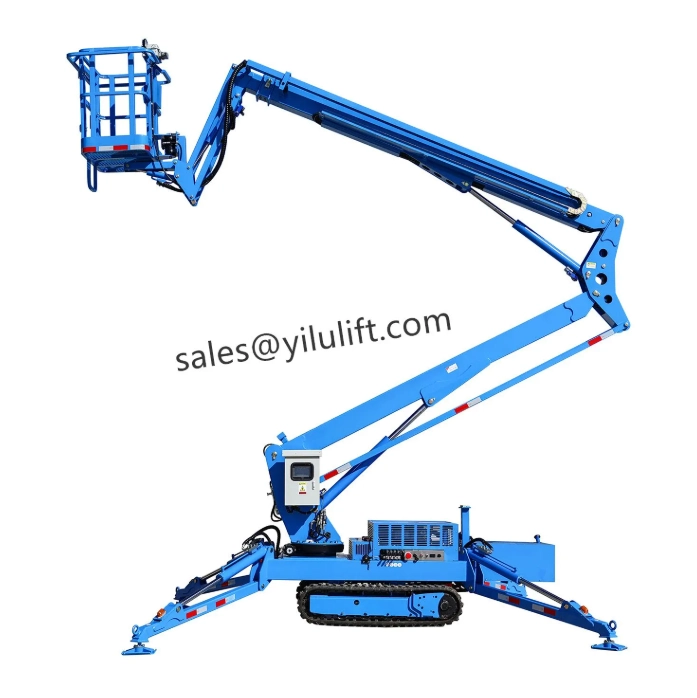
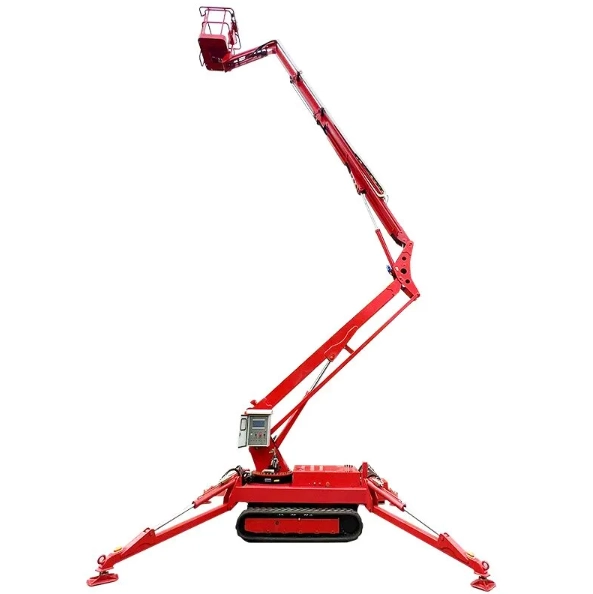
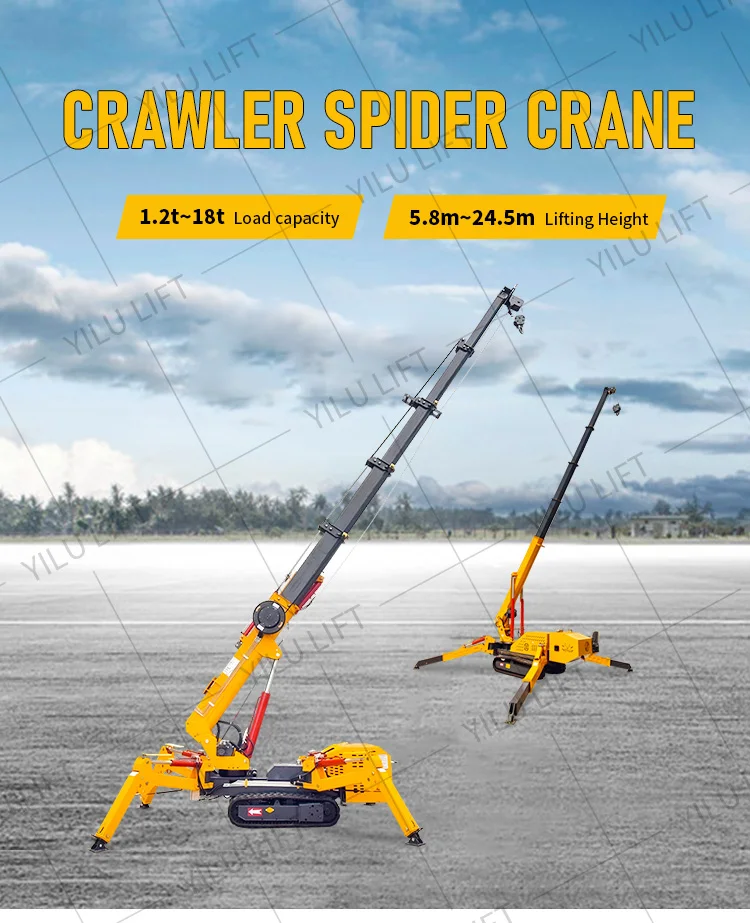
A spider crane is a small, mini crawler crane fitted with several extendable outriggers that look like spider legs. It is designed especially to handle lifting tasks in tight areas and on tough ground where regular cranes cannot work well. Spider cranes offer professional ways to lift and hoist items in narrow spots. Their build lets them move through slim indoor hallways, rooftops, or rough outdoor places while keeping balance and accuracy.
YILU LIFT’s spider crane stands for a fresh wave of strong lifting tech for B2B settings. It mixes solid building with smart control setups, and this gives companies a dependable option for jobs that need exactness, safety, and flexibility.
Core Design and Components
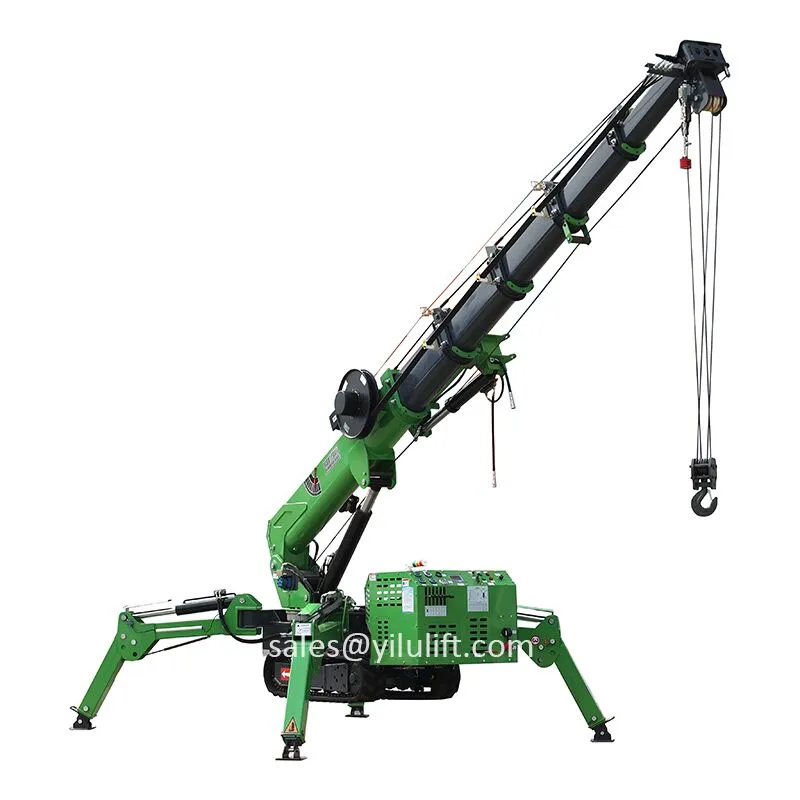
The main part of each spider crane comes from its special build and mechanical pieces:
- Telescopic Boom– Made from tough manganese steel, the boom stretches and pulls back easily to hit different heights while holding the load steady.
- Hydraulic Outriggers– These flexible legs steady the crane on bumpy ground by spreading weight across many touch points.
- Crawler Tracks or Wheels– The crawler base offers great grip and movement on soft soil or fragile surfaces without harm.
- Compact Footprint– The slim design (often under 1 meter wide in smaller models) enables transport into restricted areas, including passage through standard elevators for multi-floor operations. Many YILU LIFT models feature hybrid or electric options that maintain this high mobility for indoor and narrow-space lifting.
- Remote Control Operation– Wireless remote systems enable operators to control movement and lifting functions from a safe distance with precision.
These parts work together and make YILU LIFT’s mini crawler models useful tools for projects with limited access where space use is key.
Advantages Over Conventional Cranes
Spider cranes do better than traditional cranes in many main ways:
- Exceptional Maneuverability– Their small design allows access through doorways or narrow aisles where full-sized cranes cannot operate. It has a small body and flexible operation, and can be used in narrow places where large cranes cannot enter.
- Low Ground Pressure– The rubber crawler system distributes weight evenly to prevent surface damage, making it ideal for indoor flooring or landscaped areas. The specialized rubber crawler tracks provide smooth mobility while preventing damage to sensitive indoor flooring.
- Quick Setup & Teardown– Hydraulic outriggers deploy rapidly, allowing faster project turnover compared to larger mobile cranes that require extensive assembly time.
- Multi-Purpose Versatility– The crane readily adapts to various tasks by integrating attachments like vacuum lifters for glass handling, hanging baskets for personnel access, or specialized grippers—ideal for HVAC placement, curtain wall installation, and industrial retrofits in B2B projects.
These benefits make spider cranes vital for contractors who handle tricky city building plans or careful fix-up jobs inside current structures.
2026 Trends and Innovations in Spider Cranes
In 2026 and beyond, the global spider crane market continues its robust growth, driven by stringent environmental regulations and the rise of digital technologies. Projections indicate steady expansion (with related mini crawler segments showing CAGRs of 5-13% in various reports), fueled by demand for sustainable lifting solutions in urban and industrial projects:
- Electric & Hybrid Powertrains:Makers are moving to electric-driven mini crawlers that cut emissions and noise—perfect for hospitals, malls, or home areas where quiet work is important.
- Enhanced Load Monitoring Systems:Better load moment indicators will give instant info on weight spread, and they stop overloads on their own before issues happen.
- Smart Attachments & Integration:Spider cranes will link more with vacuum lifters or robotic grippers made for special B2B uses like putting up solar panels or installing modular fronts—fields that grow under global green energy rules.
- Autonomous Assistance Features:Remote checks, tracking with telematics, and AI-based stability sensors will boost operator trust while cutting downtime from mistakes in hand checks.
YILU LIFT keeps putting money into these new ideas to provide safer, greener machines that fit current building goals for lasting use without losing power.
Typical B2B Applications
Spider cranes have turned essential in many fields due to their ability to adjust:
|
Application Area |
Description |
Benefits |
|
Glass Curtain Wall Installation |
Ideal for high-rise façades where space is limited |
Precise positioning using suction attachments |
|
HVAC Equipment Placement |
Used inside commercial buildings for rooftop units |
Reduces manual labor risk |
|
Substation Maintenance |
Suitable for confined electrical yards |
Non-conductive tracks enhance safety |
|
Industrial Plant Retrofits |
Maneuvers between machinery lines |
Minimal disruption during production |
|
Logistics & Warehouse Operations |
Lifts heavy pallets in restricted aisles |
Compact footprint improves workflow |
YILU LIFT’s spider crane series, with capacities ranging from 1.2 to 14 tons, excels as compact lifting machinery particularly suited for narrow spaces or complex terrains. This adaptability across diverse environments makes them invaluable in sectors such as construction, energy infrastructure repair, subway maintenance, airport development, and manufacturing logistics.
YILU LIFT’s models help businesses shorten project timelines by reducing setup delays while improving operational safety through advanced control systems.
Safety and Operational Considerations
Safety stays the top concern when running any lifting gear—especially in tight spots:
- Proper Outrigger Deployment:Always ensure outriggers are fully extended according to ground conditions before loading begins; uneven deployment increases tipping risk.
- Load Chart Adherence:Operators must follow manufacturer-specified load charts strictly based on boom length and angle.
- Operator Training:Certified training programs should cover both manual controls and wireless remote operation techniques.
- Integrated Safety Systems:YILU LIFT equips models with automatic overload protection, load moment indicators, emergency stop functions, and stability sensors that automatically intervene in unsafe conditions—ensuring compliance with international standards and enhancing operator confidence in confined environments.
- Emergency Stop Functions:Immediate shutdown features prevent accidents during unexpected instability.
These built-in protections make YILU LIFT’s spider crane not only efficient but also compliant with international safety standards demanded by industrial clients.
Conclusion
Spider cranes have changed how firms tackle lifting issues in tight spots—from inside remodels to power setup updates—and they offer great flexibility without giving up strength or exactness. As fields shift to machines focused on lasting use by 2026, electric-powered mini crawlers will lead at work sites that need quieter runs with less emissions.
YILU LIFT leads this change by providing sturdy machines built for today’s B2B needs—mixing small design with smart safety setups that change what is possible in spots with little access.To discuss your specific project needs, contact YILU LIFT.
FAQs
Q1: What is a spider crane used for?
A: A spider crane is primarily used for lifting heavy materials in confined spaces such as building interiors, rooftops, subways, or industrial plants where large cranes cannot operate effectively.
Q2: How does a mini crawler system benefit operation?
A: The mini crawler design gives excellent traction on uneven terrain while spreading weight evenly across surfaces to prevent floor damage during indoor use.
Q3: What makes YILU LIFT’s spider crane different from conventional models?
A: YILU LIFT’s models stand out with advanced hydraulic outriggers, remote-control operation, highly compact frames (as narrow as 0.6-1 meter in entry-level units), and a full range of capacities from 1.2 to 14 tons, customizable for diverse B2B lifting challenges.
Q4: Are electric spider cranes suitable for indoor projects?
A: Yes—electric variants produce minimal noise and zero exhaust emissions, making them ideal for hospitals, shopping centers, museums, or any enclosed workspace requiring clean operation.
Q5: What safety features are integrated into modern spider cranes?
A: Most units include automatic overload protection systems, emergency stop controls, precise load indicators, and stable outrigger bases ensuring secure lifting even on uneven ground surfaces.