
Надежность буксируемых подъемников для рабочих: что следует проверить покупателям B2B перед заказом.
Надежность буксируемых подъемников для рабочих: что следует проверить покупателям B2B перед заказом.
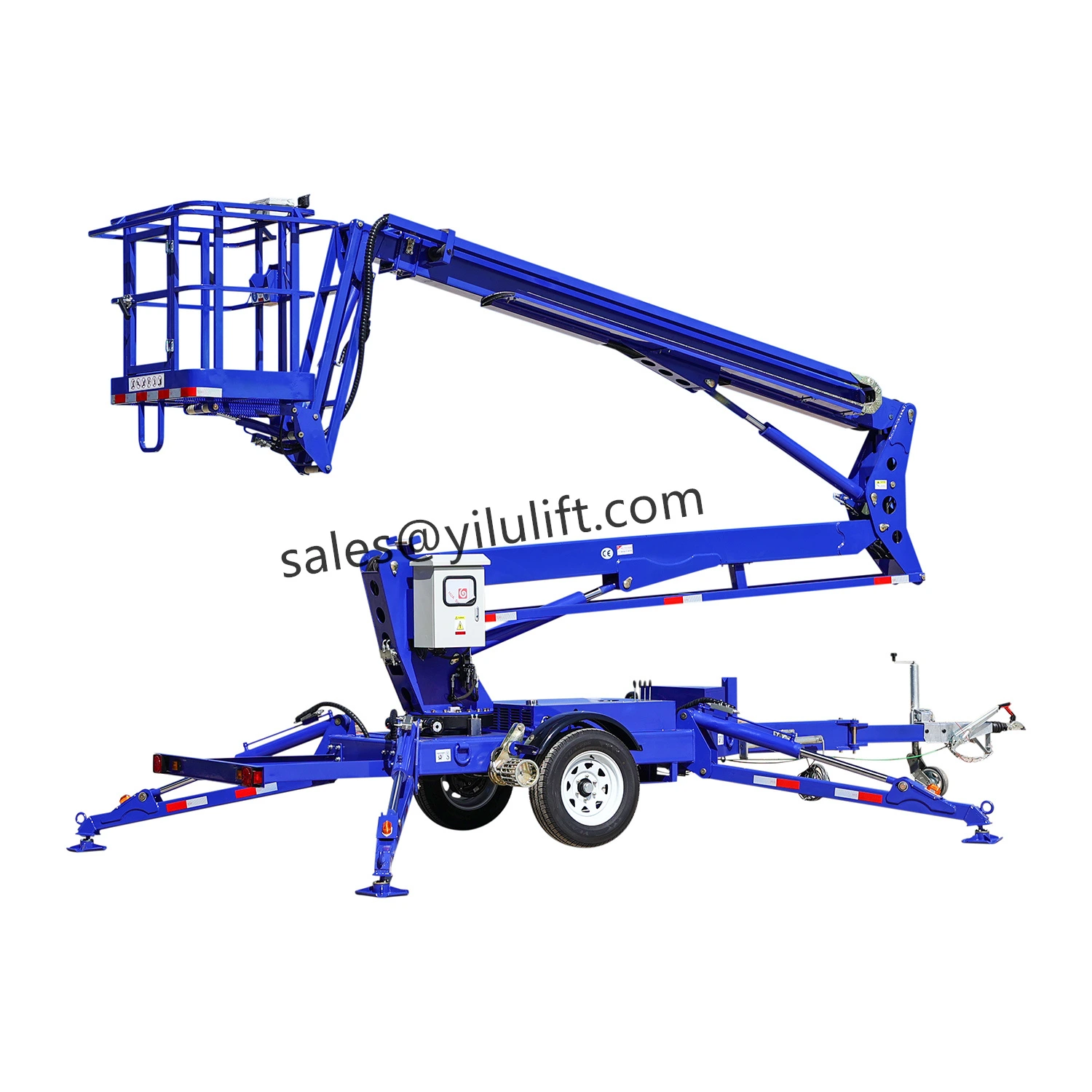
Буксируемые подъемники с телескопической стрелой Подъемники с буксируемой стрелой отличаются простотой транспортировки и подходят для самых разных задач: от технического обслуживания и строительства до коммунальных работ, аренды и обслуживания объектов. Однако при выборе следует учитывать не только высоту подъема стрелы и стоимость предложения. Надежность буксируемых подъемников с стрелой включает в себя возможность прогнозирования доступности оборудования, производительность в требуемом диапазоне работы, соответствие соответствующим стандартам, наличие запасных частей для технического обслуживания и послепродажную поддержку.
Прежде чем сравнивать предложения, определите, что является надежным.
Преобразуйте требования к приложению в измеримые параметры.
Надежный процесс закупки начинается с составления письменного описания условий эксплуатации, включающего рабочую высоту, вылет стрелы, грузоподъемность платформы, часы работы, условия на площадке, воздействие ветра, расстояние буксировки, условия хранения и доступную мощность. Рабочая высота и высота платформы не являются взаимозаменяемыми, а вылет стрелы необходимо проверять с учетом фактических препятствий.
Опубликованные технические характеристики показывают, какие различия приходится учитывать командам по закупкам: рабочая высота может варьироваться от 12 до 24 метров, номинальная грузоподъемность — от 220 до 300 килограммов, а радиус действия — от 5,5 до 11 метров в рамках одного семейства продукции. Варианты питания включают переменный ток, дизельное топливо, бензин и постоянный ток от батарей.
Связь между надежностью и экономикой автопарка
Для Покупатели B2BНадежность следует оценивать по таким параметрам, как доступность, перебои в обслуживании, время поставки запчастей, трудозатраты на проверку и устранение неисправностей. Низкая закупочная цена может быть компенсирована недоступностью компонентов или слабой технической поддержкой. В обосновании целесообразности следует оценить коэффициент использования, стоимость задержек, транспортировку, техническое обслуживание, расходные материалы и остаточную стоимость.
Изучите механическую систему и систему устойчивости.
Проверьте конструкцию, предельные нагрузки и конструкцию опор.
Стрела, поворотный стол, шасси, штифты, сварные швы, платформа и стабилизаторы являются частью единой несущей системы. В документации по закупке должны быть указаны грузоподъемность, диапазон рабочих параметров, максимальный уклон, ветровое ограничение, основание опор, требования к несущей способности грунта и метод аварийного опускания. Эти предположения должны соответствовать фактическим условиям, таким как рыхлый грунт, подземные полости, бордюры и уклоны.
Недавние отчеты по безопасности показывают, что опрокидывание является одной из основных причин несчастных случаев при работе на мобильных подъемных платформах. Это подтверждает необходимость надлежащей оценки грунта и обеспечения полного контакта с землей как колес, так и опор/опорных стоек. Существуют рекомендации OSHA по ограничениям вылета стрелы и ветровым условиям.
Проверьте совместимость буксировки и транспортировки.
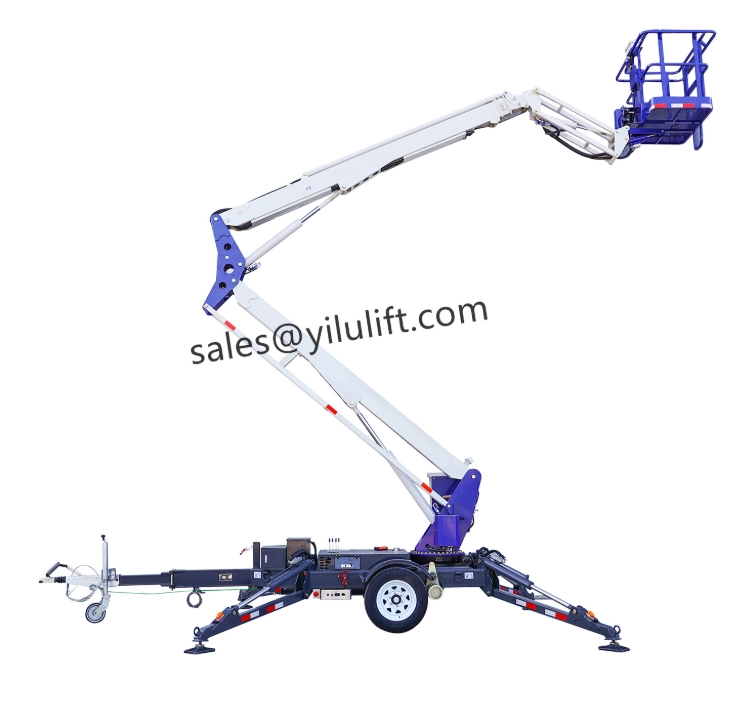
В качестве подъемного оборудования, буксируемая установка Следует оценивать его наряду с другими аспектами, такими как транспортное средство для автомобильных перевозок. Спецификация закупки должна включать в себя общий вес, нагрузку на дышло, оси, тормоза, шины, подшипники колес, способ сцепления, освещение, транспортные габариты, люльку стрелы, фиксаторы опор и требования к буксировке. Вес нетто у некоторых моделей варьируется от 1950 до 5000 килограммов в зависимости от конкретной модели.
В процессе оценки также необходимо убедиться, что стрела была надлежащим образом закреплена, а выносные опоры зафиксированы во время транспортировки.
Проверка надежности гидравлических, электрических и управляющих систем.
Запрос на прозрачность на уровне компонентов.
Гидравлические утечки, загрязненное масло, поврежденные шланги, изношенные уплотнения, нестабильное давление и плохо защищенные фитинги снижают время безотказной работы. В техническом предложении следует указать тип насоса, клапанные блоки, цилиндры, фильтрацию, характеристики шлангов, параметры давления, точки обслуживания и интервалы замены. В электрической документации следует указать тип и емкость батареи, входное напряжение зарядного устройства, управляющее напряжение, наличие схемы подключения, датчики и функции кодов неисправностей.
Критические функции безопасности следует демонстрировать, а не просто описывать в маркетинговых целях. Тестирование должно включать аварийную остановку, аварийное снижение, верхнее и нижнее управление, реагирование на перегрузку, предупреждение о наклоне, блокировки, выносные опоры, сигнализацию и контролируемое перемещение во всем диапазоне рабочих параметров.
Подберите энергосистему в соответствии с рабочим циклом.
Конфигурации с питанием от батареи обеспечивают бесшумную работу без выбросов вредных веществ непосредственно в месте использования, в то время как системы с двигателем внутреннего сгорания могут подойти для работы на открытом воздухе в отдаленных районах. Гибридные или многофункциональные конфигурации повышают гибкость, но могут усложнить поиск и устранение неисправностей. При выборе следует учитывать продолжительность смены, доступность зарядки, температуру окружающей среды, наличие топлива, требования к качеству воздуха в помещении и возможности технического обслуживания.
Соответствие требованиям и отслеживаемые доказательства качества
Подтвердите документацию по целевому рынку.
Профессионал Поставщик подъемников должен предоставить документацию, соответствующую целевому рынку и классификации оборудования. В пакет документов для закупки могут входить декларация соответствия, соответствующие сертификаты, руководства по эксплуатации и техническому обслуживанию, каталог запасных частей, электрические и гидравлические схемы, данные о серийных номерах, формы проверки и протоколы испытаний.
В Соединенных Штатах требования ANSI охватывают проектирование мобильных подъемных рабочих платформ, безопасное использование, проверку, техническое обслуживание, ремонт, эксплуатацию и обучение персонала. Для оборудования, размещенного на рынке ЕС до 20 января 2027 года, остается в силе действующая Директива о машиностроении; с этой даты вступает в силу Регламент о машиностроении.
Необходимо проверить сертификаты на соответствие моделям, орган, выдавший сертификат, срок действия, используемые стандарты и соответствие заводской табличке устройства.
Включить заводские приемочные испытания
В контракте должны быть оговорены заводские приемочные испытания перед отгрузкой. Заводские приемочные испытания могут включать проверку размеров, сварных швов, покрытия, испытаний на номинальную нагрузку, перемещения стрелы, вращения, вылета стрелы, развертывания стабилизаторов, аварийных систем, зарядки, сигнализации, утечек, руководств, принадлежностей и соответствия серийных номеров. Фото- и видеоматериалы должны точно идентифицировать заказанное устройство.
Протокол предпродажной проверки создает основу для входного осмотра и будущего технического обслуживания. Требования отрасли также касаются документированных проверок и ежедневных или посменных проверок.
Оцените возможности завода-изготовителя и послепродажного обслуживания.
Аудит производства и контроля качества
Оценка поставщика должна подтвердить, что производство, сборка, тестирование и окончательная проверка контролируются на указанном предприятии. Полезными доказательствами могут служить: экскурсия по заводу в режиме реального времени, регистрация предприятия, записи о калибровке, процедуры сварки, входной контроль, отслеживание серийных номеров и заполненные протоколы испытаний.
Внешние профили могут служить для подтверждения данных, но не должны заменять прямые доказательства, полученные на заводе. Один из профилей, составленный сторонней организацией, идентифицирует компанию из Циндао как производителя/завод и торговое предприятие и содержит информацию об аудите.
Надежные запчасти, гарантия и техническая поддержка.
В коммерческом предложении следует указать объем гарантии, каналы связи, возможность удаленной диагностики, наличие запасных частей, сроки поставки, а также ответственность за транспортировку и таможенные пошлины. К приоритетным запасным частям часто относятся уплотнения, шланги, фильтры, реле, датчики, детали зарядных устройств и элементы управления платформой. Условия послепродажного обслуживания следует документально согласовывать до внесения предоплаты, а не обсуждать только после поставки оборудования.
Создайте коммерческую систему показателей эффективности перед утверждением.
Риск, связанный с весом, вместо сравнения только цен.
Система оценки поставщиков может присваивать взвешенные баллы таким параметрам, как техническая совместимость, стабильность, соответствие стандартам, наличие заводских приемочных испытаний, производственные возможности, прозрачность информации о компонентах, оперативность обслуживания, поддержка запасных частей, гарантия, доставка, упаковка и себестоимость.
В коммерческом соглашении также должны быть определены Инкотермс, этапы оплаты, права на инспекцию, сроки предоставления документации и способы устранения нарушений технических характеристик. Любые изменения, затрагивающие стрелу, платформу, систему буксировки, органы управления, конфигурацию электропитания или устройства безопасности, должны быть включены в подписанное техническое соглашение.
Окончательный заказ следует оформлять только в том случае, если выбранная конфигурация соответствует профилю эксплуатации, буксировочному транспортному средству, правилам назначения, ресурсам обслуживания и модели общей стоимости. Такой подход превращает сравнение каталога в контролируемое решение о капитальных затратах.
Часто задаваемые вопросы
Какие документы следует запросить перед оформлением заказа?
В основной комплект поставки должны входить технический паспорт, рабочие параметры, документы о соответствии, руководства пользователя, схемы, перечень комплектующих, условия гарантии, протокол заводских приемочных испытаний и протоколы испытаний конкретного устройства.
Какая спецификация чаще всего приводит к ошибкам выбора?
Часто путают рабочую высоту, высоту платформы и горизонтальный вылет стрелы. Все три параметра следует сверять с чертежами площадки, расположением рабочей зоны и фактическими препятствиями для доступа.
Как можно снизить долгосрочные риски, связанные с неисправными деталями?
В договор купли-продажи следует включить рекомендуемый перечень запасных частей, фиксированную систему идентификации, гарантированные сроки поставки и электронное руководство по комплектующим. Идентификация деталей по серийным номерам может дополнительно снизить количество ошибок при заказе.
Необходима ли заводская проверка для оформления первого заказа?
Дистанционный или выездной аудит целесообразен в случаях, когда значительна стоимость заказа, индивидуализация, соответствие нормативным требованиям или риски внедрения в масштабах всего парка продукции. Аудит должен подтвердить производственную деятельность, ресурсы для тестирования, записи о качестве и юридическое лицо, получающее платежи.
Что следует проверить после доставки?
При приемке необходимо проверить наличие повреждений груза, серийные номера, комплектующие, руководства пользователя, уровни жидкостей, батареи, шины, органы управления, опоры, сигнализацию, аварийные функции, а также соответствие подписанному протоколу приемочных испытаний.
Технический осмотр продукции непосредственно на заводе для заказов B2B.
Подбор технических характеристик, составление коммерческих предложений и поддержка производства.
Группы по закупкам могут предоставить на техническую экспертизу необходимые параметры высоты, вылета стрелы, грузоподъемности, источника питания, условий буксировки, рынка назначения, количества и области применения. ЙИЛУ ЛИФТ Компания, расположенная в Циндао, является производителем/заводом и предлагает линейку буксируемых шарнирно-сочлененных стрел с различными рабочими высотами и вариантами мощности; завод может оказать поддержку в выборе модели, составлении коммерческого предложения, координации производства и прямом установлении коммерческих контактов. официальные каналы запросов.