

İnşaat ve Depo Alıcıları İçin Makaslı Kaldırıcı Stabilite Kontrol Listesi
İnşaat ve Depo Alıcıları İçin Makaslı Kaldırıcı Stabilite Kontrol Listesi
Makaslı platform tedarikinde öncelikle platform yüksekliği değil, stabilite ön planda tutulmalıdır. Gerekli yüksekliğe ulaşan ancak zemin, arazi, yük profili, trafik düzeni veya çalışma ortamıyla uyumlu olmayan bir makine, gereksiz arıza sürelerine ve ciddi risklere yol açabilir. Güvenlik kılavuzları, stabilizasyon, konumlandırma, düşme koruması, denetim ve eğitimi birbirine bağlı kontroller olarak ele almaktadır. Fabrikadan doğrudan tedarik arayan endüstriyel satın alma ekipleri için YILU LIFT, Çin'in Qingdao şehrinde bulunan ve yenilikçi ve otomatikleştirilmiş hava iş platformları, vinçler, örümcek vinçler, vakumlu kaldırma ekipmanları ve diğer ürünlerin geliştirilmesine odaklanan bir üreticidir. makaslı kaldırma masaları.
Makaslı Kaldırıcıların Satın Alma Kararında Stabilite Neden En Önemli Unsurlardan Biri Olmalıdır?
İstikrar, Sistem Gereksinimidir
Makaslı platformların stabilitesi geometriye, nominal yüke, yük dağılımına, frenlemeye, lastiklere veya paletlere, eğim sınırlarına, platform uzantısına, rüzgar maruziyetine, zemin mukavemetine ve yakındaki trafiğe bağlıdır. Daha geniş bir taban, üretici sınırlarının ötesinde çalışmayı telafi edemez. Model seçiminden önce, satın alma şartnamelerinde görev, yüzey, çalışma yüksekliği, kullanıcılar, malzemeler ve hareket gereksinimleri tanımlanmalıdır.
Güvenlik kılavuzu, düşme koruması, stabilizasyon ve konumlandırmayı başlıca kontrol alanları olarak tanımlar. Ayrıca sağlam, düz yüzeyler, araç temasına karşı koruma, platformun nominal taşıma kapasitesine uyum ve çökmeyi önlemeyi amaçlayan sistemlerin bakımının yapılmasını da gerektirir.
İnşaat ve Depo Riskleri Farklıdır
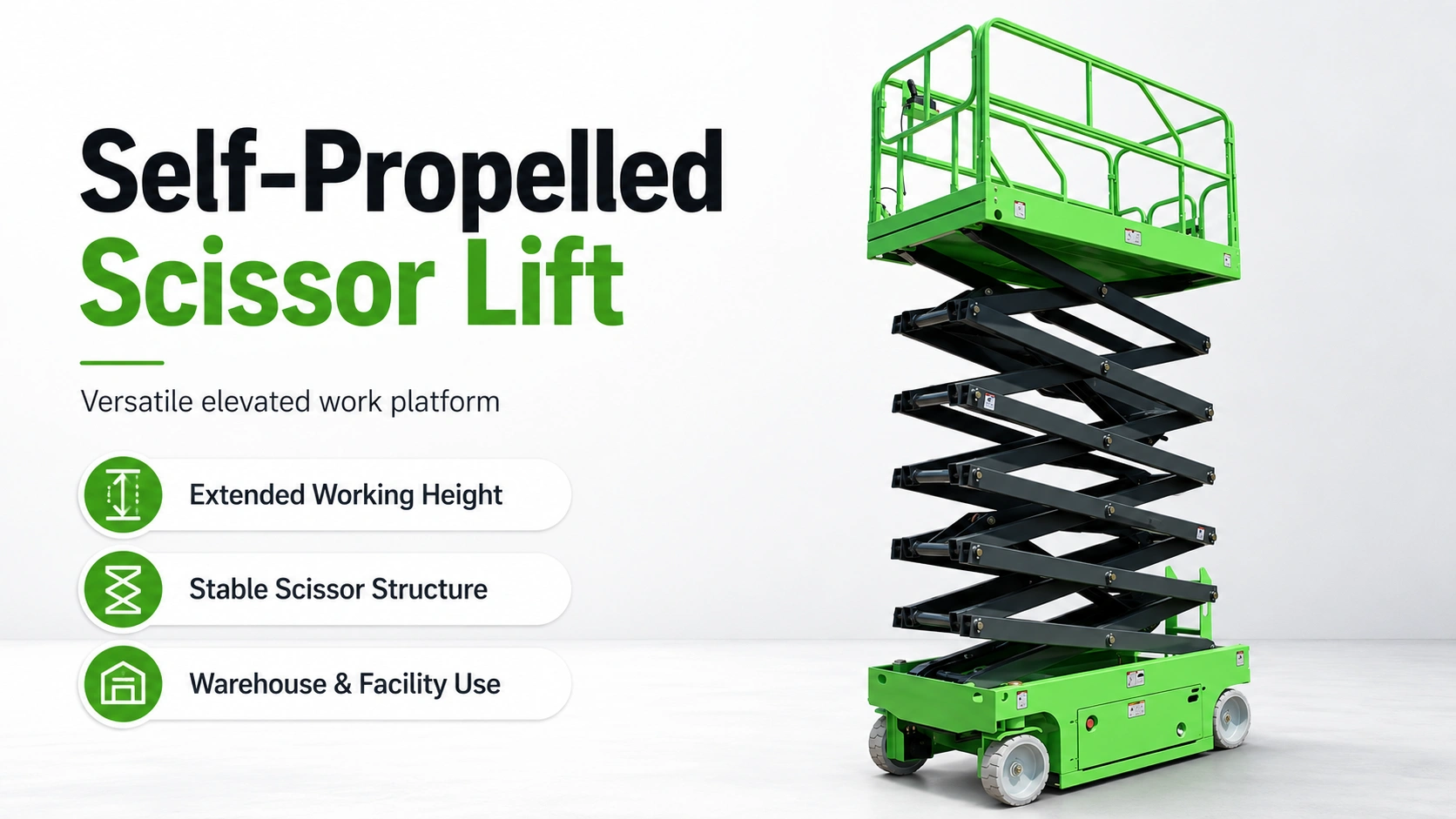
İnşaat makaslı platformu toprak, döşeme kenarları, açıklıklar, rampalar, moloz, hava koşulları ve ortak trafikle karşılaşabilir. depo makaslı kaldırma platformu Genellikle bitmiş zeminlerde çalışır, ancak yükleme rampası geçişleri, zemin hasarı, dar koridorlar, üst kirişler ve karma trafik yine de dengeyi etkiler. Bu nedenle, ekipman seçimi öncesinde çalışma alanları ve erişim yolları değerlendirilmelidir.
Satın alma kararında, eğimli arazide istiflenmiş halde seyahat ile yükseltilmiş haldeki çalışma birbirinden ayırt edilmelidir. Eğim tırmanma kabiliyeti bir hareket özelliğidir; izin verilen çalışma açısı güvenli yüksekliği belirler. Ekipman veri sayfaları bunları ayrı değerler olarak yayınlayabilir, bu nedenle iki değerden hiçbiri diğerinin yerine kullanılmamalıdır.
Teklif Talebi Öncesi Temel Makaslı Kaldırıcı Güvenlik Kontrol Listesi
Çalışma Aralığını Tanımlayın
Teknik özellikler sayfasında şunlar belirtilmelidir:
- Gerekli platform ve çalışma yüksekliği
- İç mekan, dış mekan veya karma görev sınıflandırması
- Dış mekan yüksekliği için maksimum rüzgar hızı
- Nominal kapasite, uzatma güvertesi kapasitesi ve yolcu sınırı
- Maksimum çalışma açısı ve depolama sırasında eğim kabiliyeti
- Koridor genişliği, dönüş yarıçapı ve kapı açıklığı
- Zemin yük taşıma limitleri, zemin koşulları ve beklenen engeller
Dış mekan kullanımına uygun üniteler, üreticinin belirlediği rüzgar limitine tabidir. OSHA, dış mekan makaslı platformlarının genellikle 28 mph'nin altındaki rüzgar hızlarıyla sınırlı olduğunu belirtirken, güvenlik otoriteleri, kullanım kılavuzuna ve gerçek hava koşullarına bağlı olarak, sahaya özgü bir maksimum değer belirlenmesini önermektedir.
Kapasite ve Yük Dağılımını Doğrulayın
Makaslı platformun yük taşıma kapasitesi, personel, aletler, malzemeler, aksesuarlar ve uzatma platformu öğelerini içermelidir. Uzun malzemeler, rüzgar alanını artırabilir ve ağırlık merkezini nominal ağırlık sınırının altına kaydırabilir. Satın alma belgelerinde, ana platform ve uzatma platformunun ayrı ayrı taşıma kapasiteleri ile birlikte, yoğun veya sarkık yüklere ilişkin kısıtlamalar talep edilmelidir.
Malzemenin boyutları, yerleşimi ve dağılımı, toplam ağırlık kadar önemlidir. Güvenlik kılavuzu, malzemelerin hem ağırlığını hem de boyutlarını dikkate almayı önerirken, platformun nominal taşıma kapasitesinin asla aşılmaması gerektiğini belirtir.
Güvenlik kontrol listesi ayrıca, korkuluklara çıkmadan, merdiven kullanmadan veya platformun ötesine eğilmeden işin tamamlanabileceğini de doğrulamalıdır. Korkuluklar, düşmeyi önlemenin temel bir sistemidir ve çalışma alanı kolay erişilebilir olmalıdır.
Şasiyi Yüzeye Uyarlayın
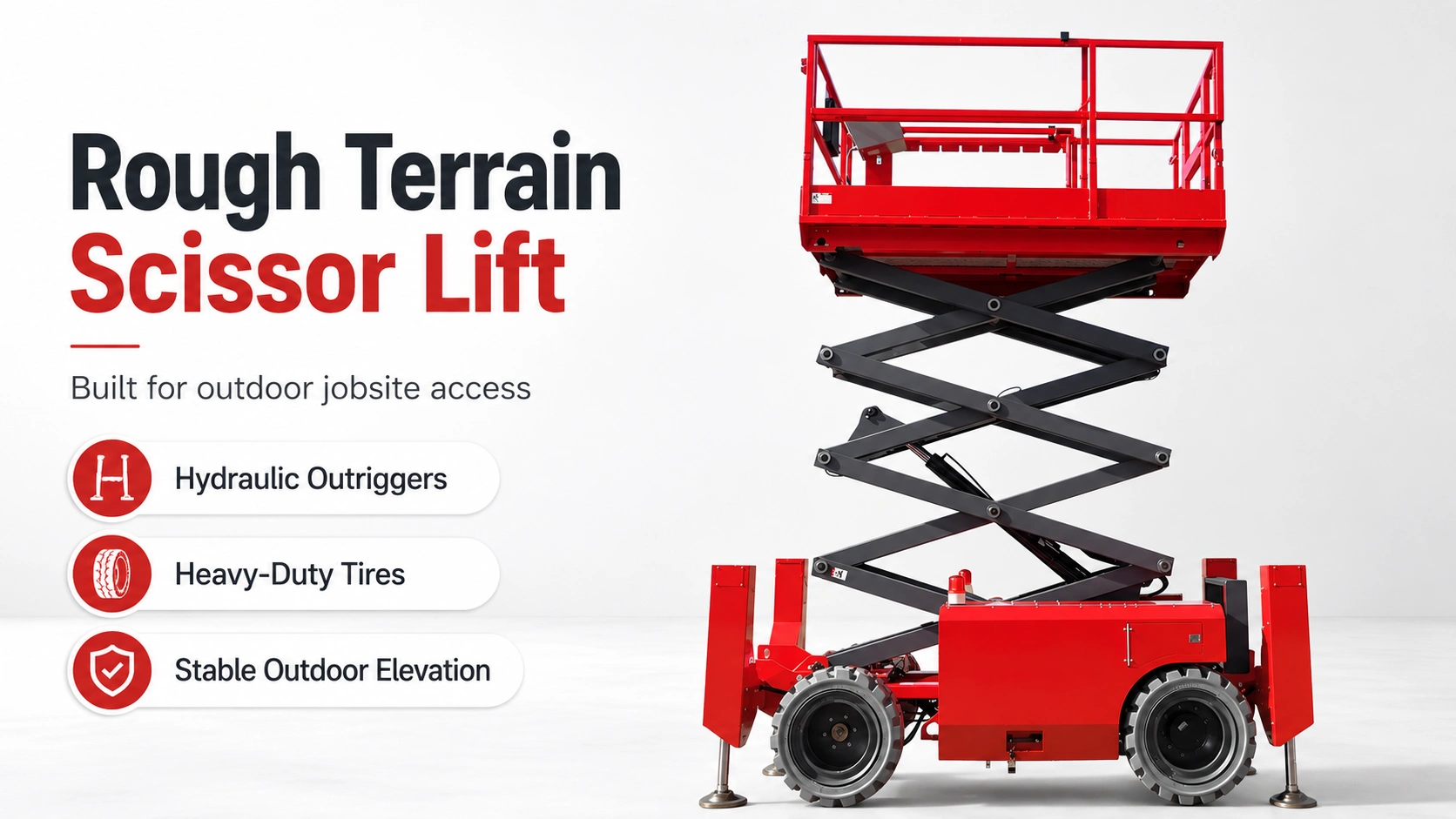
Depo görevi için, döşeme durumu, tekerlek noktası yükleri, iz bırakmayan lastik gereksinimleri, rampa geçişleri, genleşme derzleri ve yükleme rampaları incelenmelidir. İnşaat görevi için ise taşıma kapasitesi, yumuşak zemin, gizli boşluklar, çukurlar, bordürler, eğimler, hendekler ve engebeli arazi veya paletli hareketlilik ihtiyacı incelenmelidir.
Sağlam ve düz bir destek temeldir. Yükseltme başlamadan önce çukurlar, uçurumlar, eğimler, tümsekler, molozlar ve zemin engelleri istikrarsızlık yaratabileceğinden, taşıma güzergahları da son çalışma pozisyonuyla aynı şekilde incelenmelidir.
Stabilite Açısından Kritik Sistemleri Belirtin
Teknik teklifte aşağıdaki hususlar belirtilmelidir:
- Eğim algılama ve yükseklik kilitleme sistemleri
- Otomatik frenleme ve acil durdurma kontrolleri
- Acil indirme
- Gerektiği yerlerde çukur koruma önlemleri
- Yük algılama veya aşırı yük koruması
- Hidrolik arıza koruması
- Seyahat ve alarm düşürme
- Bakım destek cihazları
- Arıza teşhisi ve okunabilir etiketler
Denetim kriterleri, kontrolleri, korkulukları, frenleri, kilitleme sistemlerini, alarmları ve acil durum fonksiyonlarını doğrulamalıdır. Güvenlik sistemleri devre dışı bırakılmamalı ve frenler devreye girdikten sonra makineyi güvenli bir şekilde tutmalıdır.
İnşaat Makaslı Kaldırıcı Tedarik Kontrolleri
Zemin, Hava Durumu ve Trafik
İnşaat alıcıları, döşeme kenarları, kazılar, açıklıklar, rampalar ve sıkıştırılmamış dolgu yakınındaki yükseklik için belgelenmiş bir zemin değerlendirmesi ve net sınırlar talep etmelidir. Özellikle paneller, havalandırma kanalları, levhalar veya diğer malzemeler rüzgar yükünü artırdığında, dış mekanlarda rüzgar izleme şarttır.
Bariyerler, güvenlik bölgeleri ve gözlemciler, diğer hareketli ekipmanlardan kaynaklanan çarpma riskini azaltabilir. Üstten kontroller, elektrik hatlarını, yapısal elemanları, geçici hizmetleri, dalları ve erişim noktalarını içermelidir. OSHA ayrıca, hareketli ekipman veya çevredeki yapılar konumlandırma tehlikeleri oluşturduğunda trafik kontrolleri ve yer kılavuzları kullanılmasını önermektedir.
Hizmet Verilebilirlik ve Proje Lojistiği
Teklif değerlendirmesi, nakliye boyutlarını, makine ağırlığını, güç gereksinimlerini, inceleme erişimini, teşhis imkanlarını, yedek parçaları, bakım aralıklarını ve acil durum kurtarma kapasitesini içermelidir.
İş için uygun olan ancak şantiye kapılarından geçemeyen, güzergaha dayanamayan veya zamanında bakım alamayan bir makine, daha yüksek yaşam döngüsü maliyetine yol açabilir. Bu nedenle, satın alma siparişi onaylanmadan önce taşıma genişliği, istif yüksekliği, yerden yükseklik, şarj gereksinimleri ve servis dokümantasyonu değerlendirilmelidir.
Depo Makaslı Kaldırıcı Tedarik Kontrolleri
Koridor Geometrisi ve Zemin Yüklemesi
Bir depo makaslı kaldırma platformunun, yalnızca nominal koridor genişliğine değil, gerçek tesis geometrisine de uyması gerekir. Dönüş alanı, raf koruması, yaya ayrımı, yangın kapıları, sprinkler sistemleri, konveyörler ve çatı yapısı konumlandırmayı etkiler.
Satın alma ekipleri, makine ağırlığını, varsa tekerlek yüklerini, toplam genişliği, istiflenmiş yüksekliği, yükseltilmiş açıklık gereksinimlerini ve dönüş yarıçapını temin etmelidir. Tesis mühendisliği, döşemelerin, yükleme rampası ekipmanlarının, rampaların, asma katların ve ara katların seçilen konfigürasyonu destekleyebileceğini doğrulamalıdır.
İç Mekan Güç ve Trafik Entegrasyonu
Elektrikli tahrik sistemleri, daha sessiz çalışma sağladığı ve tesis içinde çalışan bir içten yanmalı motora bağımlılığı ortadan kaldırdığı için genellikle iç mekan çalışmalarında tercih edilir. Akü kapasitesi, şarj cihazı uyumluluğu, çalışma döngüsü, şarj süresi ve vardiya düzeni tek bir sistem olarak değerlendirilmelidir.
Trafik planı, seyahat şeritlerini, yaya arayüzlerini, kısıtlı bölgeleri, park yerlerini, ücretlendirme alanlarını ve yükseltilmiş platformda seyahat kurallarını tanımlamalıdır. Üretici talimatları, platform yükseltilmiş haldeyken hareketin mümkün olup olmadığını kontrol etmelidir, çünkü birçok işletim prosedürü yükseltilmiş platformda seyahati kısıtlamaktadır.
Kabul Testi ve Dokümantasyon
Fabrika ve saha kontrolleri gerçekleştirin.
Satın alma standartlarında bir makaslı platform muayene kontrol listesi, belge incelemesi ve fonksiyonel testleri birleştirmelidir. Kabul personeli, kapasiteleri, boyutları, etiketleri, frenlemeyi, direksiyonu, eğim tepkisini, acil inişi, korkulukları, alarmları, çukur korumasını, hidrolik bütünlüğü, şarjı ve bakım desteklerini doğrulamalıdır.
Saha kabulü sırasında, kontrollü koşullar altında kritik testler tekrarlanmalı ve gerçek koridorlar, kapılar, rampalar, zeminler, dış yüzeyler ve çalışma alanlarıyla uyumluluk teyit edilmelidir. Önleyici bir denetim, bakım ve test programı, ekipmanın tüm kullanım ömrü boyunca yürürlükte kalmalıdır.
Eksiksiz bir devir teslim paketi gereklidir.
Sözleşmede kılavuzlar, muayene formları, parça listeleri, ilgili diyagramlar, seri kayıtları, garanti koşulları, eğitim materyalleri ve teknik destek prosedürleri yer almalıdır. Eğitim, seyahat, malzeme taşıma, ağırlık sınırları, işyeri tehlikeleri, arıza bildirimi ve acil durum müdahalelerini kapsamalıdır.
SSS
Makaslı kaldırma platformunun stabilitesinde en önemli faktör nedir?
En önemli faktör, makinenin nominal çalışma aralığını gerçek saha koşullarına uygun hale getirmektir. Sağlam destek, kabul edilebilir eğim, kontrollü yükleme, uygun hava koşulları, işlevsel güvenlik sistemleri ve disiplinli konumlandırma birlikte çalışır.
Yüksekte Yapılan Çalışmalarda Eğim Sınırı Olarak Eğim Eğim Yeteneği Kullanılabilir mi?
Hayır. Eğim kabiliyeti genellikle depolanmış haldeki hareket kabiliyetini tanımlar. Yüksekte çalışma, üreticinin çalışma açısı veya eğim sınırları içinde kalmalıdır.
Depo Makaslı Forklifti Satın Alan Bir Kişi İlk Olarak Neleri Kontrol Etmelidir?
İlk kontroller çalışma yüksekliği, nominal kapasite, toplam genişlik, istif yüksekliği, dönüş yarıçapı, taban yükü, lastik gereksinimleri, şarj cihazı uyumluluğu, yukarıdan gelen tehlikeler ve trafik yönetimi gibi konuları kapsamalıdır.
Platform yükü nasıl hesaplanmalıdır?
Toplam, operatörleri, aletleri, malzemeleri, aksesuarları ve uzatma platformu yüklerini içerir. Yük yerleşimi ve boyutları da önemlidir çünkü merkezden uzak veya yüksek rüzgar alan bölgelerdeki malzemeler dengeyi etkileyebilir.
Makaslı platform ne sıklıkla kontrol edilmelidir?
Üreticinin talimatlarına uygun olarak, her vardiya veya kullanımdan önce ön kullanım kontrolü yapılmalı, bu kontrol önleyici bakım ve yasal olarak zorunlu periyodik muayenelerle desteklenmelidir.
Fabrikadan Doğrudan B2B Makaslı Platform Teklifi İsteyin
Saha Koşullarını Satın Alma Şartnamesine Dönüştürme
Dağıtımcılar, yükleniciler, depo işletmecileri, kiralama filoları, sistem entegratörleri ve endüstriyel proje alıcıları için, YILU ASANSÖR Şirket, Qingdao fabrikasından spesifikasyona dayalı tedarik desteği sağlayabilir. Şirketin ürün yelpazesi; sabit kaldırma masaları, kendinden tahrikli ve mobil makaslı platformlar, havai çalışma platformları, vinçler, örümcek vinçler, vakumlu kaldırma cihazları ve emme kaldırma ekipmanlarını içerir; yayınlanan kendinden tahrikli modeller, çoklu çalışma yüksekliği ve kapasite seçeneklerinin yanı sıra otomatik frenleme, çukur koruması, acil iniş, bakım desteği ve devrilme koruması özelliklerini de içerir. Teklif talebi paketleri, gerekli yükseklik, kapasite, yüzey koşulu, erişim sınırları, güç tercihi, varış yeri, sertifikasyon ihtiyaçları ve sipariş miktarını içerebilir ve sales@yilulift.com adresinden gönderilebilir. resmi iletişim kanalı.
