


Spider Crane Safety Tips Operating in Tight Spaces
Spider Crane Safety Tips Operating in Tight Spaces
Introduction
City construction jobs and industrial makeovers often run into the same challenge — tight quarters. High roofs, narrow paths, or workshop insides rarely leave room for massive cranes. Spider cranes fill that gap nicely. These compact, rail-mounted small cranes manage to get to high or awkward places where regular hoisting tools simply fall short.
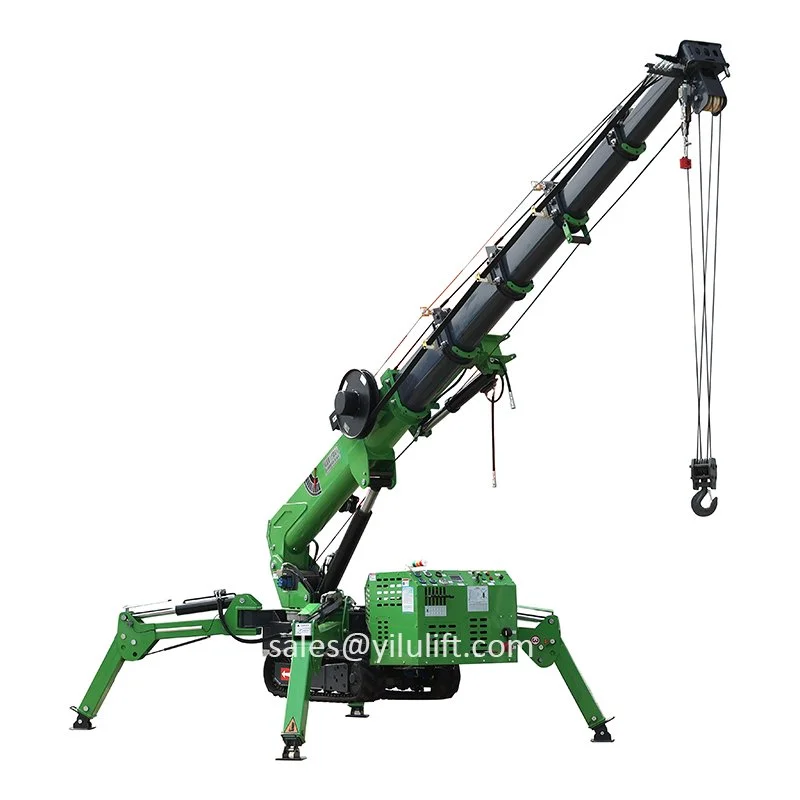
The spider crane acts as a modern form of overhead lifting machine. Its key aim lies in helping folks wrap up jobs. It handles raising tasks in slim areas quite effectively. Workers can add a worker basket as well. That addition enables high-up duties. These attributes render them ideal for packed-job sites, such as installing panels on high-rises, setting up ventilation units inside edifices, or fixing gear in utility plants.
Even so, toiling in limited regions brings distinct dangers — bad views, constrained shifts, and greater odds of flipping or hitting objects. Holding fast to reliable spider crane safety tips does more than shield employees. It also halts pricey damage and holdups. YILU LIFT has built a strong name in this area. The firm crafts spider cranes aimed at precision, protection, and consistency amid tasks in narrow locales.
What Are Spider Cranes and Why Safety Matters in Tight Spaces
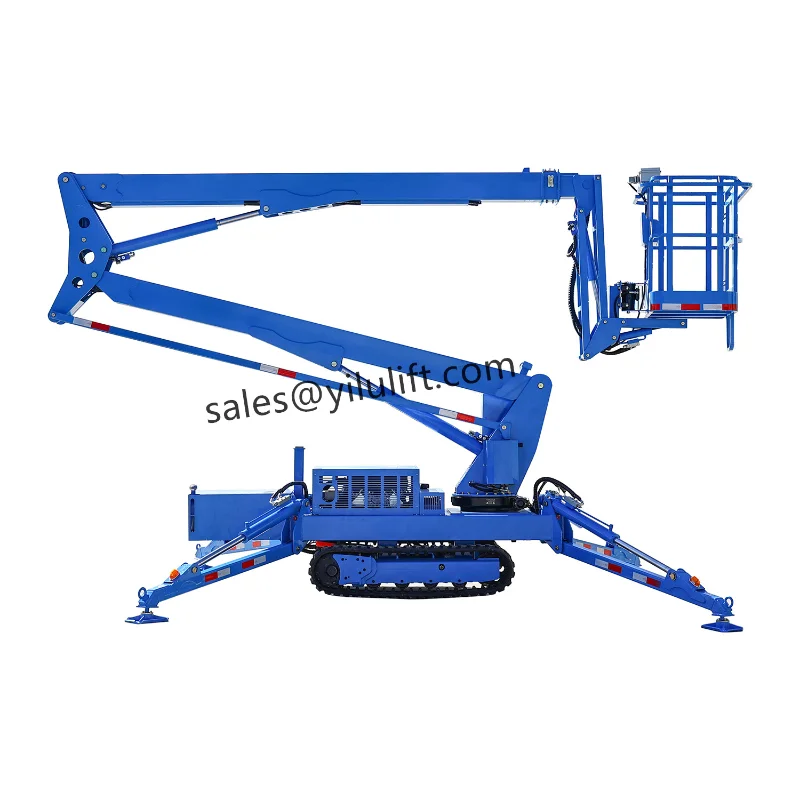
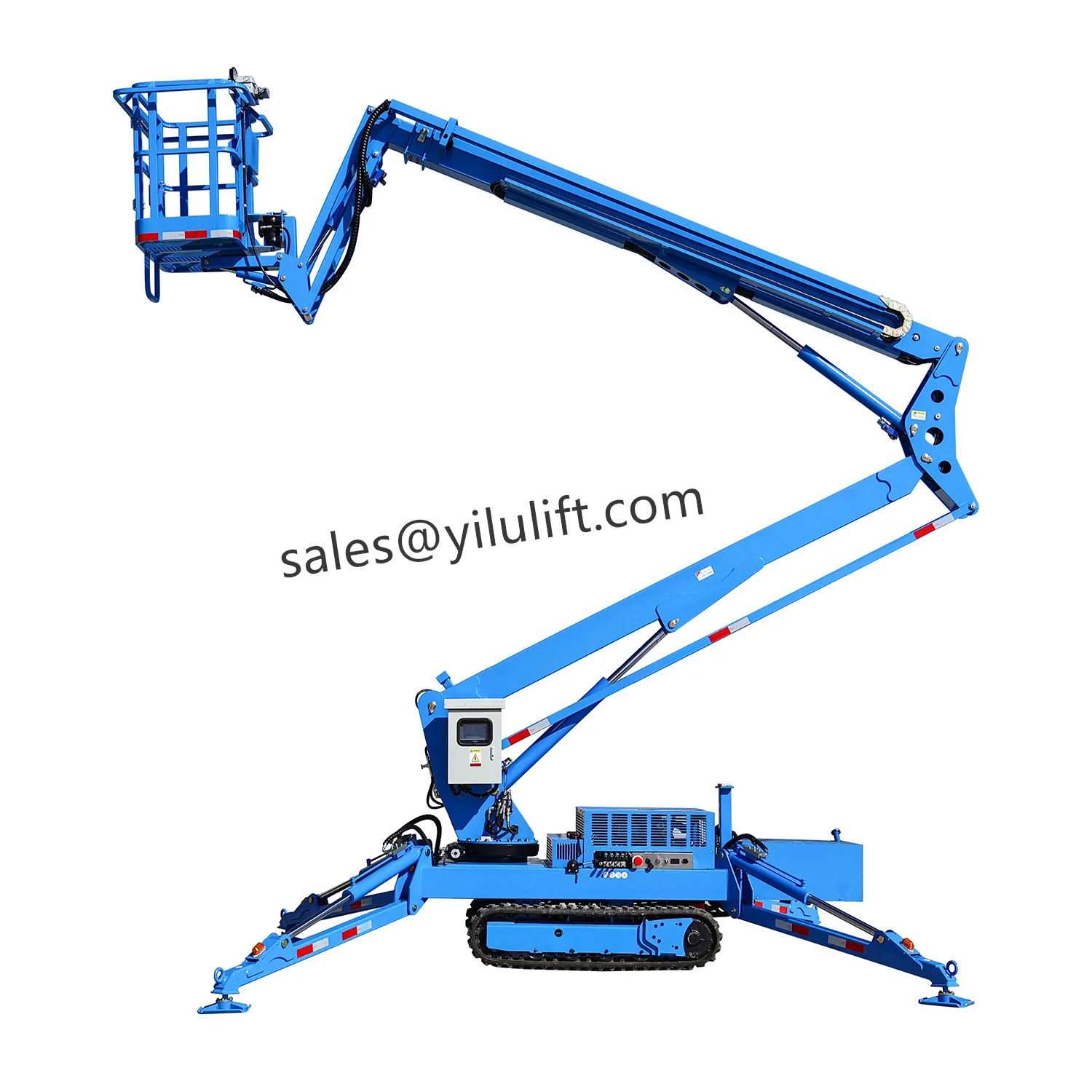
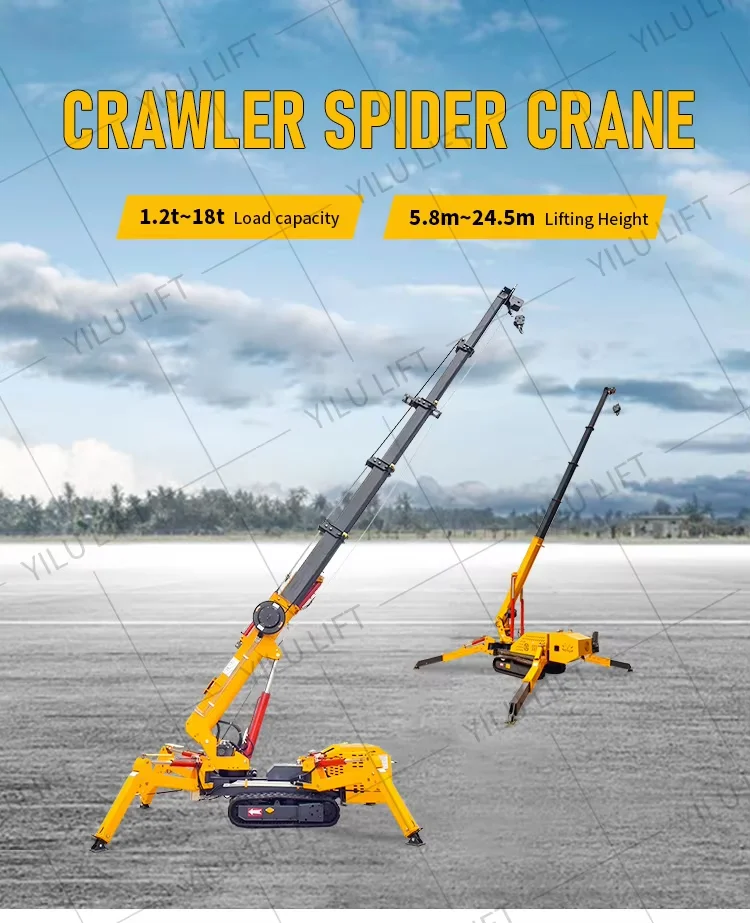
Spider cranes feature petite hoisting units placed on track bases. They come with extendable supports resembling arachnid limbs. A spider crane employs a rubber track hydraulic mobility setup. Moreover, the raising, lengthening, angling, and pivoting components all depend on fluid-driven mechanisms. Such qualities provide excellent flexibility and firmness, even over bumpy terrain.
For B2B customers — contractors, property supervisors, and rental outfits — the perks are obvious:
- Low ground pressure for delicate floors
- Remote control operation for better visibility
- Compact design that fits through doorways or elevators
Nevertheless, these very settings complicate safety efforts. Within enclosed job zones, tiny slip-ups might cause balance issues or scrapes with walls. Thus, thorough spider crane safety confined spaces protocols demand precise adherence.
Pre-Operation Safety Checks for Spider Cranes
Prior to any raise, basic reviews stay crucial:
|
Safety Check |
Description |
|
Ground Stability |
Inspect soil or floor condition; use mats if soft or uneven. |
|
Outrigger Setup |
Deploy fully on level surfaces; confirm interlocks are engaged. |
|
Load Capacity Verification |
Match load weight to rated chart; confirm moment limiter function. |
|
Equipment Condition |
Inspect cables, hooks, hydraulic lines for wear or leaks. |
|
Weather Conditions |
Avoid operation during strong winds or heavy rain indoors/outdoors. |
Carrying out a Job Safety Analysis (JSA) ahead of launch makes sure every likely danger gets noted. This process turns out particularly important for spider crane tight spaces configurations. Think of setups in depots or near working builds. Take a typical depot task, for example. Crews spotted a yielding ground patch in the JSA phase. That find stopped a potential rollover. It spared stock valued at thousands from ruin.
Essential Spider Crane Safety Tips for Operating in Tight Spaces
Secure operation mixes hands-on know-how with consistent patterns:
- Always deploy all outriggers fully before lifting; never compromise stability to save time.
- Maintain exclusion zones at least 10 feet beyond the maximum reach radius — barricades and spotters help prevent unauthorized entry.
- Use remote controls whenever possible to improve line-of-sight visibility and reduce operator exposure near suspended loads.
- Secure every load with certified slings; swinging loads can easily strike nearby walls or beams in confined areas.
- Keep an eye on tilt alarms; if triggered, stop immediately and reassess setup conditions.
- For diesel or propane models used indoors, ensure proper ventilation to avoid fume buildup.
Businesses that stick to these spider crane safety tips on a regular basis notice way less accidents and slimmer repair bills over time. Such methods boost routine operations right away. Building sector stats from studies reveal a 30% decrease in events for skilled groups applying these over twelve months.
Key Features Enhancing Safety in YILU LIFT Spider Cranes
YILU LIFT incorporates clever mechanisms suited to B2B users who prize reliability and employee shielding:
- Overload Protection:Prevents lifting beyond rated capacity by automatically cutting power to unsafe motions.
- Tilt Alarms & Emergency Stop:Alerts operators before instability occurs; emergency stops halt all functions instantly.
- Proportional Controls:Allow smooth movement adjustments even in millimeter-sensitive environments like glass installation zones.
- Crawler Tracks with Low Ground Pressure:Ideal for indoor flooring where surface damage must be avoided.
These build choices reflect the concept in workshop hoists. There, an anti-overload safety protection device guards the unit from surpassing the allowed load. The effect yields improved steadiness in spider cranes in tight spaces operations. It reduces stoppages and prolongs unit longevity. Consider a utility facility incident. Those elements blocked an almost overload. They preserved several hours of lost time.
Best Practices for Safe Load Handling and Communication
Effective raising counts on team coordination just as heavily as on equipment:
- Rigging Techniques:Use appropriate slings; balance loads evenly to avoid side pulling.
- Controlled Movements:Operate slowly near obstacles; sudden swings increase stress on both boom and rigging.
- Clear Communication:Use standard hand signals or two-way radios between operator and signalman.
- Personal Protective Equipment (PPE):Hard hats, gloves, reflective vests, steel-toe boots — always mandatory.
- Emergency Planning:Assign roles beforehand so responses are immediate if something goes wrong.
During actual jobs, groups in facilities commonly station watchers at unseen angles. Then, handlers turn to distant controls. This tactic diminishes hazards yet keeps pace steady. Insights from air system placements demonstrate that straightforward wireless talk halves mistakes in jammed areas.
Common Hazards and How to Avoid Them in Confined Workspaces
Common dangers include:
- Tipping Over:Caused by uneven ground or partial outrigger extension — always verify level indicators before lift-off.
- Overhead Contact:Pipes, beams, or power lines are frequent culprits; pre-map clearance zones.
- Overloading:Misjudged weights lead to mechanical strain; rely on load charts rather than assumptions.
- Weather Impacts:Wind gusts funneling through building gaps can destabilize suspended loads.
In contrast to larger cranes requiring broad assembly spaces, spider cranes deliver more secure choices for restricted locations. Their modest footprint and flexible support placements enable this. On-site accounts suggest that during city overhauls, spider types cut impact dangers by 40% versus old-style machines.
Training, Maintenance, and Regulatory Compliance
Dependable handling rests on firm guidance and steady upkeep:
- Operators should hold valid certification specific to mini-crane use.
- Preventive maintenance schedules must include hydraulic checks, lubrication cycles, sensor calibration.
- Daily inspection logs should be maintained by fleet managers.
- Compliance with regional occupational safety standards ensures legal protection during audits.
Updated sessions every 12–18 months assist handlers in keeping up with fresh approaches. These also bolster positive routines from starting classes. Practical know-how from leasing groups indicates that qualified handlers encounter 25% less safety breaches each year.
Conclusion
Upholding tried spider crane safety tips alters the way tasks tackle raising duties in restricted areas — from construction crews placing iron beams between partitions to fix teams exchanging top units through thin passages. The benefits ring true: slimmer accident rates, speedier task completions, prolonged gear endurance.
For enterprises emphasizing results and defense in demanding conditions, YILU LIFT’s spider cranes present a steadfast option. They merge up-to-date design concepts — compact form linked with robust fluid systems and sharp protection tools targeted straight at spider crane tight spaces cases.
Businesses seeking reliable, high-performance spider cranes for confined workspaces can contact YILU LIFT to discuss project requirements and explore the most suitable models for their operations.
FAQs
Q1: What are the most important pre-operation checks when using a spider crane in confined spaces?
A: Inspect ground stability first, then verify outrigger deployment on solid surfaces and confirm load capacity limits using the machine’s chart before starting any lift.
Q2: How do outriggers and stability systems contribute to safe spider crane operation in tight workspaces?
A: Outriggers distribute weight evenly across small footprints while interlock sensors prevent unsafe movement until full stabilization is achieved.
Q3: What safety features should fleet managers prioritize when selecting a spider crane for indoor or limited-access projects?
A: Overload protection systems, tilt alarms, proportional controls, emergency stops, and low ground-pressure crawlers are key features enhancing both precision and worker safety.
Q4: What are the key differences in safety considerations between operating spider cranes and larger conventional cranes?
A: Larger cranes need wide setup zones; spider cranes work closer to structures but require stricter attention to visibility limits and clearance distances due to proximity risks.
Q5: How often should operators receive training and the crane receive maintenance to maintain safety standards in B2B applications?
A: Operators typically undergo refresher courses every year or so; maintenance intervals depend on usage hours but daily inspections remain mandatory before each shift.