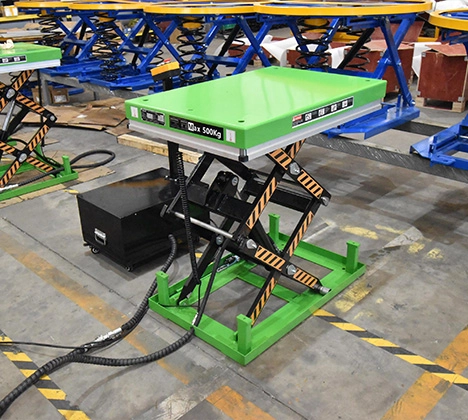

Mesa elevatória de tesoura reforçada YILU LIFT para manuseio de materiais com maior segurança
Mesa elevatória de tesoura reforçada YILU LIFT para manuseio de materiais com maior segurança
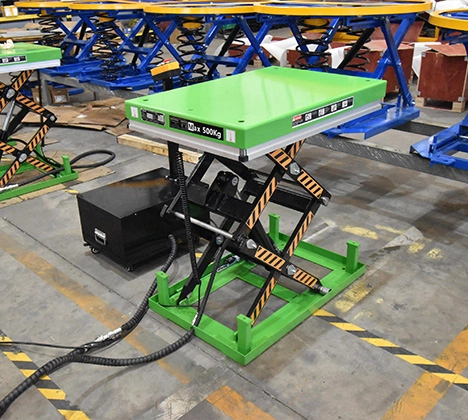
Maioria mesa elevatória de tesoura As consultas começam com três números: capacidade de carga, tamanho da plataforma e altura de elevação. Em seguida, vem a solicitação de preço.
Em projetos reais de armazéns, os detalhes que causam problemas costumam ser menores: altura reduzida, centro de carga, profundidade do fosso, direção de carregamento ou se uma empilhadeira precisa subir na plataforma sem rampa. Esses detalhes determinam se o equipamento cabe no piso após a chegada.
ELEVADOR YILU Fornecemos soluções de mesas elevatórias hidráulicas eletrônicas tipo tesoura para armazéns, fábricas, centros de logística e estações fixas de movimentação de materiais. As informações padrão do produto abrangem capacidades de carga de 400 kg a 4.000 kg e alturas de elevação de até 4.210 mm. Para aplicações em armazéns com cargas mais pesadas e estacionárias, configurações específicas podem ser projetadas para cargas de até 8.000 kg, dependendo do layout do projeto e das condições de trabalho.
Uma mesa elevatória de tesoura para serviço pesado não é apenas uma plataforma de elevação. No chão de fábrica, ela resolve um problema diário: o material está na altura errada, e cada turno paga por esse erro.
Por que o posicionamento da carga é importante na prevenção de lesões em armazéns
O manuseio de objetos em níveis baixos raramente parece grave à primeira vista. Um trabalhador retira itens da camada inferior de um palete. Uma caixa é arrastada sobre uma bancada. Uma peça metálica está muito baixa, então o operador ajusta a postura repetidamente. Um movimento isolado é insignificante. Centenas de movimentos se tornam um problema.
Uma mesa elevatória tipo tesoura eleva o material para uma altura próxima à cintura, facilitando o manuseio. Isso ajuda a reduzir a necessidade de se curvar repetidamente, alcançar objetos longos e reposicionar o material manualmente. Em estações de embalagem, pontos de carregamento de paletes, células de montagem e áreas de transferência de esteiras, essa mudança de altura pode eliminar muitos movimentos desnecessários.
Problemas comuns no local antes da compra de uma mesa elevatória
|
Problema no site |
O que acontece com frequência |
Detalhes a confirmar |
|
O palete está muito baixo. |
A colheita na camada inferior atrasa a linha de produção. |
Altura reduzida e altura máxima |
|
A carga é desigual |
O equilíbrio da plataforma torna-se uma preocupação |
Distribuição de carga |
|
A transpaleteira precisa de acesso. |
O carregamento fica complicado |
Design para montagem em fosso ou de baixo perfil |
|
A altura da esteira transportadora é fixa. |
Os trabalhadores preenchem a diferença de altura manualmente. |
Opção de alcance de elevação e roletes |
|
A empilhadeira bloqueia a área. |
O trânsito aumenta perto da estação de trabalho. |
Localização da lateral de carregamento e da mesa |
Nem todo armazém precisa do modelo maior. Uma solicitação de 4000 kg pode ser resolvida com uma configuração simples, desde que a carga esteja distribuída uniformemente e os ciclos sejam leves. Uma carga menor pode exigir um projeto mais complexo se for compacta, densa e estiver localizada fora do centro.
O que torna uma mesa elevatória de tesoura para serviço pesado adequada para uso em armazéns?
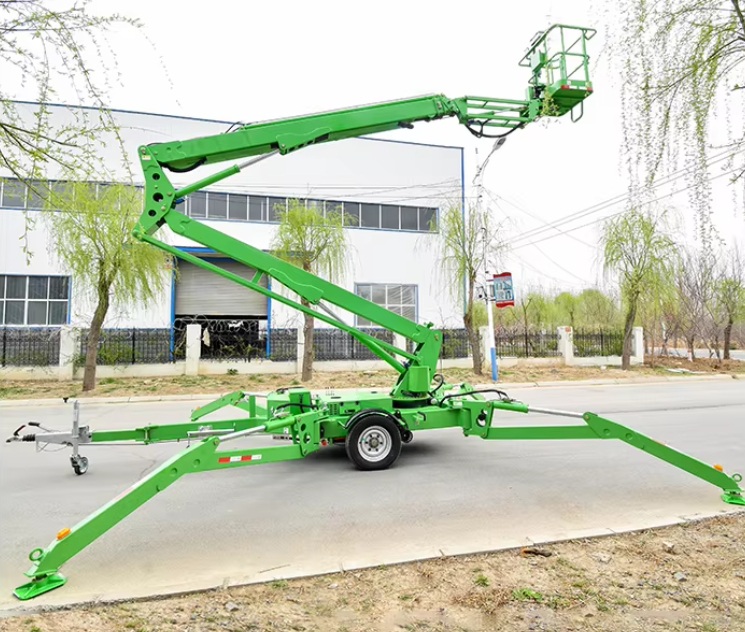
Diferentemente de uma plataforma elevatória aérea, uma mesa elevatória tipo tesoura é escolhida para posicionar materiais, não para elevar pessoas. Para fins de aquisição, essa distinção é importante.
Uma mesa elevatória hidráulica de alta resistência é avaliada por sua estrutura, rigidez da plataforma, cilindros, curso de elevação, método de controle e dispositivos de segurança. A estrutura em tesoura lida com o movimento vertical. A plataforma e a base determinam se a carga permanece estável durante elevações repetidas.
Carga uniforme ou carga centrada
Duas cargas podem pesar 1000 kg cada e ainda assim se comportar de maneira diferente. Um palete largo com caixas de papelão distribuídas uniformemente não é o mesmo que um molde de aço compacto colocado no centro da mesa. Cargas uniformes e cargas centralizadas criam tensões diferentes na estrutura.
Para projetos personalizados de mesas elevatórias estacionárias tipo tesouraA YILU LIFT pode discutir o tamanho da plataforma, a altura de elevação e a distribuição da carga antes da elaboração do orçamento. Isso é importante para moldes, peças de máquinas, paletes grandes e cargas irregulares.
A altura reduzida é fácil de passar despercebida.
A altura máxima de elevação geralmente é a primeira coisa que chama a atenção. Uma altura reduzida costuma causar mais problemas após a entrega.
Se a mesa estiver muito alta na posição abaixada, uma empilhadeira pode não carregar os paletes suavemente. Caso seja necessário um fosso, o corte do piso, a drenagem, a profundidade do fosso e o acesso para manutenção devem ser planejados antes da produção. Alterações de última hora raramente são convenientes.
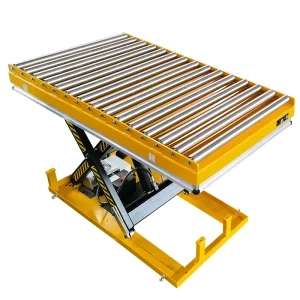
Especificações da mesa elevatória tipo tesoura: os compradores devem confirmar antes de solicitar um orçamento.
Um fornecedor sério de mesas elevatórias tipo tesoura ou um fabricante de mesas elevatórias hidráulicas geralmente faz algumas perguntas detalhadas antes de enviar um orçamento. Capacidade e quantidade não são suficientes para equipamentos industriais personalizados.
Para compradores que ainda estão comparando tamanho da plataforma e altura de elevaçãoA lista de verificação para orçamentos abaixo pode ajudar a refinar as especificações antes de entrar em contato com um fornecedor.
Lista de verificação para orçamentos de compradores B2B
- Capacidade de carga nominal, incluindo o peso do palete, dispositivo de fixação ou contêiner.
- Dimensão da carga e centro de gravidade
- Comprimento e largura da plataforma
- Altura reduzida e altura máxima de elevação
- Instalação no solo ou em fosso
- Método de carregamento: empilhadeira, transpaleteira, carrinho, guindaste ou esteira transportadora.
- Tensão de alimentação e controle
- Ambiente de trabalho interno ou externo
- Ciclos de levantamento por turno
- Requisito de esteira rolante, guarda-corpo, plataforma giratória, interruptor de limite ou automação
- Embalagem para exportação, lista de peças sobressalentes, manual de operação e desenhos técnicos.
Isso não é mera formalidade. Evita um problema comum nas exportações: o equipamento corresponde ao catálogo, mas não à planta.
Instalação no solo ou em fosso
A instalação no solo costuma ser a opção mais fácil. Evita cortes no piso e funciona bem quando as empilhadeiras carregam a plataforma diretamente. Muitos armazéns alugados preferem essa opção porque as obras civis são limitadas.
A instalação em fosso é mais adequada quando a plataforma precisa ficar nivelada com o piso em sua posição mais baixa. Isso facilita a movimentação de paleteiras, carrinhos e esteiras transportadoras. A desvantagem é a preparação do local. O tamanho do fosso, a resistência do piso, a drenagem e o espaço de serviço ao redor da mesa devem ser verificados com antecedência.
A instalação em fosso faz sentido quando as mercadorias precisam ser movimentadas pela mesa sem rampa. Também é adequada para docas de carga fixas e linhas de fluxo de materiais automatizadas. Para uma estação de trabalho simples alimentada por empilhadeira, a instalação no solo pode ser suficiente.
O que influencia o preço das mesas elevatórias hidráulicas tipo tesoura?
Muitos compradores pesquisam o preço de mesas elevatórias hidráulicas tipo tesoura, mas mesas elevatórias industriais raramente têm um preço fixo. Uma mudança no tamanho da plataforma, altura de elevação, altura de descida ou método de carregamento pode alterar a estrutura de aço, os cilindros hidráulicos, a unidade de bomba, o layout de controle e o volume de embalagem.
Principais fatores de preço que os compradores devem esclarecer
|
Fator preço |
Por que isso importa |
|
Capacidade de carga |
Cargas mais pesadas exigem uma estrutura mais robusta e um projeto hidráulico mais eficiente. |
|
Tamanho da plataforma |
Plataformas maiores adicionam aço e podem afetar a estabilidade. |
|
altura de elevação |
Viagens em altitudes mais elevadas podem exigir diferentes estágios de tesoura. |
|
Altura reduzida |
Projetos de perfil baixo ou com fosso podem alterar a estrutura. |
|
Dispositivos de segurança |
Descida de emergência, proteção contra sobrecarga e válvulas afetam a configuração. |
|
A automação precisa de |
Rolos, sensores e compatibilidade com transportadores adicionam trabalho de engenharia. |
|
Suporte à exportação |
Embalagem, desenhos, manuais e peças de reposição afetam a prontidão do projeto. |
O orçamento mais baixo nem sempre é a opção mais barata. Desenhos incompletos, peças sobressalentes pouco claras ou uma plataforma incompatível com o método de carregamento podem gerar custos adicionais após a chegada do equipamento.
As equipes de compras devem confirmar os recursos de segurança.
"Seguro e estável" não é uma especificação suficiente. A segurança deve ser discutida componente por componente.
As configurações relevantes das mesas elevatórias estacionárias tipo tesoura da YILU LIFT podem incluir válvulas de alívio de pressão, válvulas de controle de fluxo, sistemas de descida de emergência, proteção contra sobrecarga, design antiesmagamento e dispositivos antiqueda. Alguns recursos de segurança podem ser padrão em certos modelos e opcionais em outros; portanto, os compradores devem confirmar a configuração final modelo por modelo, especialmente quando a mesa for personalizada para cargas mais pesadas ou transferência por esteira transportadora.
Uma revisão prática de segurança deve abranger proteção contra sobrecarga, descida de emergência, configuração das válvulas hidráulicas, proteção antiesmagamento e acesso à unidade de potência, cilindros e pontos de lubrificação. Em um armazém com dois turnos, a descida de emergência não é apenas um detalhe em folhetos. É o recurso que a equipe de manutenção questiona quando uma plataforma carregada para na posição elevada.
Como escolher um fabricante de mesas elevatórias tipo tesoura para projetos personalizados
Um bom fabricante de mesas elevatórias não deve se precipitar no preço. Uma comunicação eficaz do projeto geralmente começa com dados de carga, fotos do local, altura de trabalho e método de carregamento.
A plataforma YILU LIFT permite personalizar o tamanho e a altura de elevação da plataforma para aplicações com mesas elevatórias tipo tesoura. Configurações fixas de plataformas elevatórias tipo tesoura também podem ser utilizadas em armazéns e logística, incluindo distribuição de carga uniforme ou centralizada, opções de controle de tensão e integração com sistemas de armazenamento automatizados em projetos adequados.
Para distribuidores e importadores, trabalhar com um fabricante de mesas elevatórias de tesoura personalizadas pode facilitar o gerenciamento da confirmação de voltagem, peças de reposição, desenhos técnicos e embalagem para exportação antes da produção. Antes do envio, os compradores devem confirmar os manuais de operação, diagramas de fiação, listas de peças de reposição, método de embalagem, fotos da embalagem e fotos da inspeção pré-embarque.
Essas respostas mostram se o fornecedor está cotando uma máquina ou resolvendo um problema de manuseio.
Conclusão
Uma mesa elevatória de tesoura reforçada ajuda as equipes de armazém e fábrica a posicionar materiais em uma altura de trabalho prática, reduzindo a necessidade de separação de pedidos em níveis baixos e permitindo movimentos verticais sem a necessidade de acionar uma empilhadeira para cada pequena mudança de altura.
Para compras B2B, o modelo ideal depende da capacidade de carga, tamanho da plataforma, altura mínima de descida, altura máxima de elevação, distribuição de carga, método de instalação, tensão de controle, configuração de segurança, peças de reposição e suporte à exportação.
A YILU LIFT oferece soluções personalizáveis de mesas elevatórias hidráulicas para armazéns, linhas de produção, centros de logística e estações fixas de movimentação de materiais.
Para um orçamento preciso para mesa elevatória de tesouraEnvie à YILU LIFT os dados de carga, dimensões da plataforma, altura de elevação necessária, altura de descida, plano de instalação, fornecimento de energia e detalhes do ambiente de trabalho para seleção do modelo com base nas condições reais do local.
Perguntas frequentes
P1: Quais detalhes são necessários para um orçamento preciso de mesa elevatória tipo tesoura?
A: A capacidade de carga, o tamanho da plataforma, a altura de elevação, a altura de descida, a distribuição da carga, a fonte de alimentação, o método de instalação, o ambiente de trabalho e qualquer conexão com esteiras ou sistemas de automação devem ser confirmados antes da elaboração do orçamento.
Q2: O que influencia o preço da mesa elevatória hidráulica tipo tesoura?
A: O preço é influenciado principalmente pela carga nominal, tamanho da plataforma, altura de elevação, altura de descida, sistema hidráulico, estrutura de aço, método de controle, dispositivos de segurança, nível de personalização, embalagem e condições de envio.
P3: Uma mesa elevatória tipo tesoura montada em fosso é melhor do que um modelo montado no chão?
A: Uma mesa montada em fosso é melhor quando a plataforma precisa estar nivelada com o piso para transpaleteiras ou transferência por esteira. Uma mesa montada no chão é mais fácil de instalar quando cortar o piso não é viável.
Q4: A YILU LIFT pode fornecer uma mesa elevatória de tesoura personalizada para transferência em esteira ou automação de armazém?
R: Sim. A YILU LIFT pode fornecer plataformas com dimensões personalizadas, altura de elevação, distribuição de carga, tensão de controle e configurações relacionadas para projetos de movimentação de materiais em armazéns e sistemas de armazenamento automatizados.
Q5: Quais documentos e peças sobressalentes os compradores devem confirmar antes do envio?
A: Os compradores devem confirmar os diagramas de fiação, desenhos técnicos, manuais de operação, cilindros hidráulicos, vedações, detalhes de descida de emergência, pontos de lubrificação, disponibilidade de peças de reposição, fotos da embalagem e registros de inspeção pré-embarque.