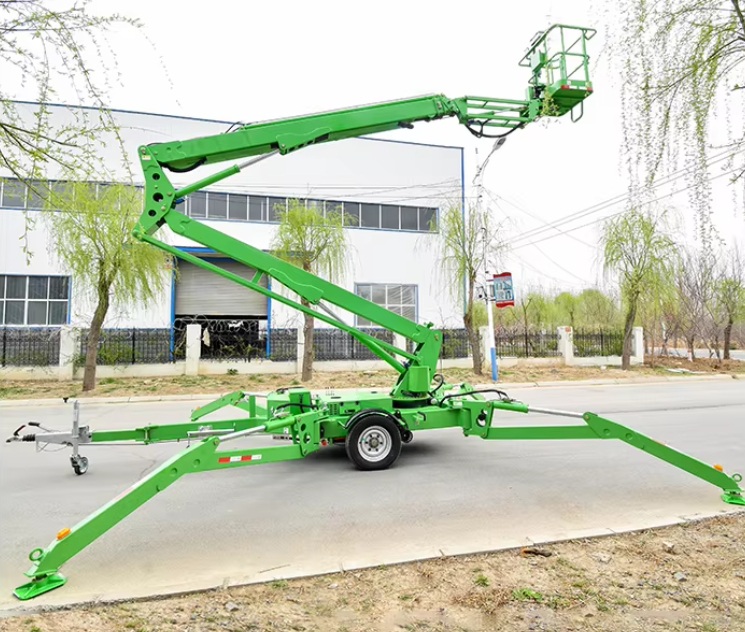

Вакуумные присоски-подъемники для автоматизации интеллектуального производства
Вакуумные присоски-подъемники для автоматизации интеллектуального производства
На заводах, где обрабатываются стекло, металлические листы, каменные плиты или большие панели, настоящая задержка часто происходит еще до запуска станка. Стол для резки может быть готов. Линия полировки может быть запущена. Но материал все равно необходимо поднять, повернуть, выровнять и уложить без повреждений.
Именно поэтому вакуумные подъемники с присосками становятся практичным решением при покупке. Они используются для захвата плоских или полуплоских материалов с помощью присосок, помогая операторам перемещать тяжелые или хрупкие грузы с лучшим контролем. Для покупателей, сравнивающих вакуумное подъемное оборудование, вопрос не только в том, «Насколько оно может поднимать?». Лучше спросить: «Подойдет ли оно для материала, места установки и процесса погрузки/разгрузки?»
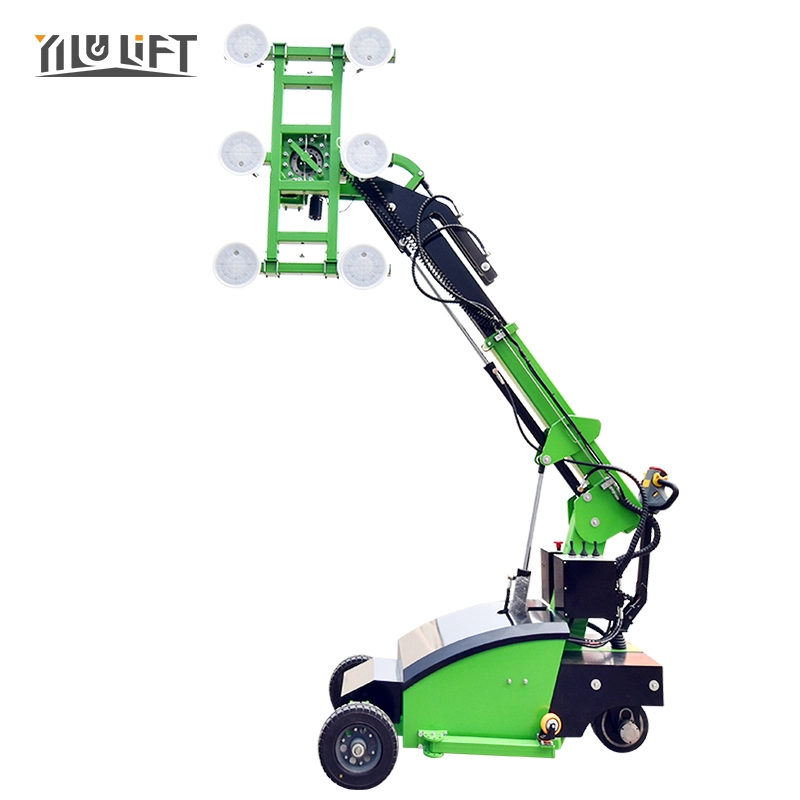
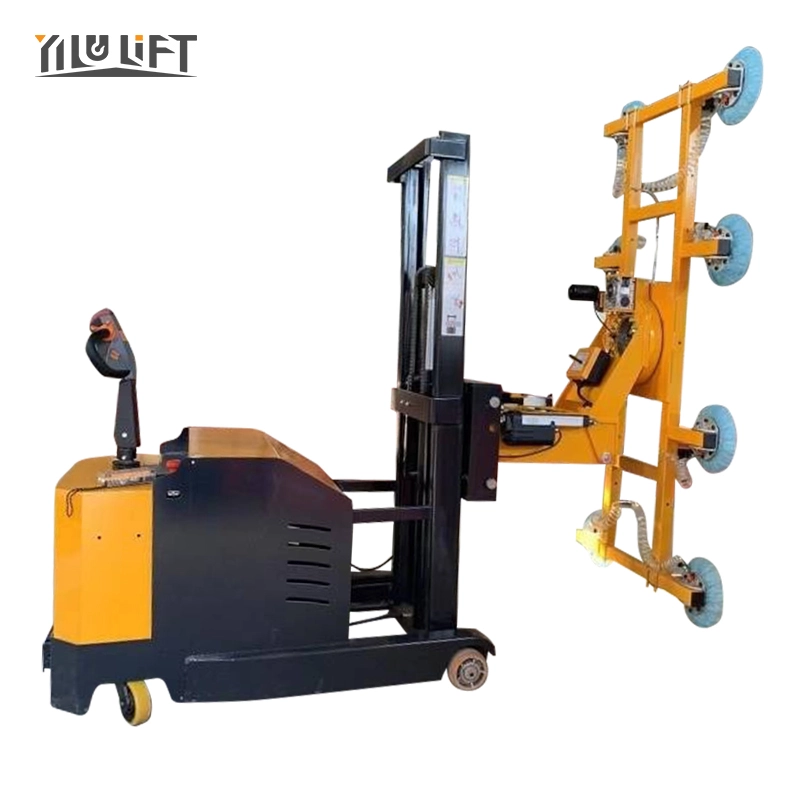
Поставки YILU LIFT вакуумное подъемное оборудование Предназначена для работы со стеклом, перемещения листового металла, транспортировки камня, погрузочно-разгрузочных работ и монтажа. Ассортимент продукции охватывает различные грузоподъемности и условия эксплуатации, от компактных тележек для подъема стекла до мощных роботизированных вакуумных подъемников.
Почему заводы покупают вакуумные присоски-подъемники?
Ручная обработка по-прежнему подходит для мелких деталей. Однако она становится дорогостоящей, когда материалы широкие, хрупкие, скользкие или уже обработанные. Одна царапина на покрытом металле может привести к необходимости доработки. Небольшой удар по краю может расколоть стекло. Каменной плите необходима надежная опора во время подъема, особенно если требуется вращение или вертикальное перемещение.
Для отделов закупок вакуумные присоски обычно становятся необходимыми при возникновении одной или нескольких из следующих проблем:
- Для погрузки или разгрузки требуется слишком много рабочих.
- Плоские материалы повреждаются во время транспортировки.
- Плотные листы бумаги трудно точно расположить.
- Существующие зажимы или стропы создают опасность повреждения поверхности или края.
- Операторы испытывают усталость из-за многократного подъема тяжестей.
- Производственные станки простаивают, потому что обработка материалов происходит медленно.
Ценность заключается в контролируемом подъеме, уменьшении повреждений поверхности, сокращении количества ручных операций и более стабильных циклах погрузки.
Варианты вакуумного подъемного оборудования YILU LIFT для покупателей B2B
Для разных работ требуется разное подъемное оборудование. Грузоподъемность важна, но это никогда не должно быть единственным критерием выбора. Размер материала, состояние поверхности, угол подъема, рабочая высота и способ перемещения — все это влияет на окончательный выбор.
Прежде чем запрашивать ценовое предложение, покупателям следует сначала подобрать тип подъемника, учитывая вес материала, размер листа, состояние поверхности, направление подъема, планировку площадки и необходимые функции перемещения.
|
Тип продукта |
Диапазон вместимости |
Подходящие приложения |
Фокус на покупке |
Необходимая информация о покупателе |
|
300–800 кг |
Подъем стекла, монтаж, высотные работы. |
Мобильное управление, высота подъема, устойчивость положения стекла. |
Размер стекла, максимальный вес, высота установки, размещение внутри/снаружи помещения, предпочтительный источник питания. |
|
|
400–1000 кг |
Тяжелая тарелка, доска, стекло, гранит, мрамор |
Обработка тяжелых грузов, усиленная рама, необходимость поворота или наклона. |
Тип материала, размер плиты или панели, состояние поверхности, угол подъема, требования к повороту. |
|
|
Вакуумный подъемник серии Simple Design |
400–1600 кг |
Обработка листового стекла и металла |
Повышенная грузоподъемность, перемещение листового металла, погрузка и разгрузка в цехе. |
Размер листа, максимальная нагрузка, расстояние перемещения, совместимость с краном или козловым краном. |
|
Тележка для подъема стаканов |
200–400 кг |
Перемещение стекла внутри помещений и перемещение цеха |
Компактные размеры, возможность перемещения на короткие расстояния, удобство в условиях ограниченного пространства. |
Ширина прохода, размер стекла, маршрут перемещения, состояние пола, частота ежедневной обработки грузов. |
Например, стекольный цех, работающий с большими панелями, может уделять особое внимание высоте подъема, расположению присосок и плавному позиционированию. В цехе по обработке листового металла большее значение может иметь защита поверхности и скорость погрузки. В цехе по обработке камня обычно уделяется пристальное внимание запасу прочности, прочности рамы и безопасному перемещению во время поворота.
Что нужно уточнить перед запросом коммерческого предложения на вакуумный подъемник
Профессиональный поставщик вакуумных подъемников должен запросить подробную информацию о применении оборудования, прежде чем предлагать ценовое предложение. Если рекомендация основана только на грузоподъемности, высок риск несоответствия.
Материальные и грузовые характеристики
Покупателям следует заранее указать максимальный вес, длину, ширину, толщину и тип материала. Для длинных листов может потребоваться больше точек присосок, даже если вес не очень велик. Узкая пластина весом 500 кг и большая стеклянная панель весом 500 кг ведут себя по-разному при подъеме.
Состояние поверхности
Эффективность присасывания во многом зависит от поверхности контакта. Гладкое стекло обычно легче захватывать. Для пыльного металла, текстурированного камня, влажных поверхностей, защитной пленки или неровных досок могут потребоваться другие присоски или предварительное тестирование перед подтверждением заказа.
Требования к перемещению
Некоторым заводам требуется только горизонтальный подъем. Другим же необходимы вертикальный подъем, наклон, вращение или установка на высоте. Конструкция оборудования, метод управления и расположение присосок должны соответствовать реальной траектории движения.
Условия на площадке
Использование в закрытых помещениях отличается от наружной установки. Покупателям также следует проверить наличие свободного места, совместимость с краном или козловым краном, источник питания, высоту подъема, ширину прохода, а также необходимость беспроводного дистанционного управления для лучшей видимости.
Что влияет на цену вакуумного подъемника?
Многие покупатели в первую очередь ищут информацию о цене вакуумного подъемника, но окончательная цена зависит от конфигурации. Две машины с одинаковой номинальной грузоподъемностью могут иметь совершенно разную стоимость, поскольку у них разные системы всасывания, рама, органы управления и функции перемещения.
К числу распространенных факторов, влияющих на цену, относятся:
- Номинальная грузоподъемность
- Конструкция рамы и подъемный механизм.
- Количество и диаметр присосок
- Вакуумный насос и схема подключения
- Конфигурация батареи и зарядного устройства
- Функция наклона, вращения или бокового смещения
- Беспроводной пульт дистанционного управления
- Индивидуальная схема расположения присосок
- Запасные присоски, уплотнители и детали для технического обслуживания.
- Условия упаковки и доставки
Низкая цена может показаться привлекательной, но она может обернуться большими затратами, если оборудование не подходит для конкретного материала или отсутствует поддержка запасных частей. Для промышленных покупателей более точным сравнением является общая стоимость эксплуатации: скорость обработки, снижение повреждений, трудозатраты, риск простоя и оперативность сервисного обслуживания.
Как вакуумные подъемники вписываются в интеллектуальную систему обработки материалов на производстве
Автоматизация интеллектуальных заводов не всегда начинается с полной роботизированной линии. Многие заводы начинают с устранения слабых мест в потоке материалов.
Погрузка и разгрузка оборудования
Вакуумные присоски позволяют более точно перемещать листы на раскройные столы, линии полировки, стеллажи для хранения и сборочные станции. Это сокращает время ожидания между процессами.
Интеграция крана и козлового крана
Вакуумное подъемное оборудование может работать в паре с кранами, козловыми системами и подъемными рамами для цехов. Это позволяет предприятиям улучшить погрузочно-разгрузочные работы без изменения всей производственной схемы.
Полуавтоматическая обработка перед полной автоматизацией
Для многих предприятий полуавтоматический подъем является первым практическим шагом. Перемещение с помощью батарей, электрическое управление, наклон, вращение и дистанционное управление могут повысить безопасность и стабильность работы до внедрения более глубокой автоматизации.
Практическая ценность ESG в повседневной работе
Вакуумные присоски-подъемники могут напрямую способствовать более безопасному и чистому производству. Сокращение ручного подъема помогает снизить утомляемость при монотонной работе с грузами. Лучшая устойчивость груза может уменьшить количество трещин на стекле, царапин на металле, сколов и бракованных деталей. Меньшее количество повреждений означает меньше переделок, меньше отходов и более эффективное использование сырья.
Модели с питанием от батарей и от электросети также подходят для закрытых цехов, где важны контролируемое перемещение и более экологичная работа. Преимущество заключается не только в экологической терминологии. Оно проявляется в уменьшении количества несчастных случаев при погрузке и разгрузке, снижении брака и более организованной производственной зоне.
Заключение
Вакуумный подъемник с присосками — это выгодное вложение для производителей, работающих с такими материалами, как стекло, листовой металл, камень и панели. Правильный выбор может помочь снизить риски, связанные с ручным трудом, минимизировать повреждение материалов, повысить эффективность погрузки и способствовать автоматизации производства.
При выборе оптимального варианта необходимо учитывать реальные условия, а не только грузоподъемность. Важны вес и размер материала, состояние поверхности, направление подъема, высота работы, расположение присосок, тип источника питания и послепродажное обслуживание.
ЙИЛУ ЛИФТ Компания YILU LIFT предоставляет вакуумное подъемное оборудование для производственных, цеховых и монтажных работ. Для запроса коммерческого предложения, соответствующего конкретному проекту, покупатели могут предоставить информацию о типе материала, максимальном весе, длине и ширине, состоянии поверхности, высоте подъема, требуемом вращении или наклоне, условиях эксплуатации, а также фотографии или чертежи объекта. На основе этих данных компания YILU LIFT сможет порекомендовать подходящую конфигурацию вакуумного подъемника с присосками для фактического процесса погрузки/разгрузки.
Часто задаваемые вопросы
В1: Какая информация необходима для расчета стоимости вакуумного подъемника с присоской?
А: Покупатели должны указать тип материала, размер, вес, состояние поверхности, высоту подъема, направление движения, а также необходимость вращения или наклона.
В2: Как компания YILU LIFT выбирает подходящее вакуумное подъемное оборудование?
A: Компания YILU LIFT, прежде чем рекомендовать модель, учитывает грузоподъемность, расположение присосок, обрабатываемую поверхность, место работы и процесс погрузки/разгрузки.
В3: Что влияет на цену вакуумных подъемников для промышленных покупателей?
А: Цена зависит от грузоподъемности, конструкции рамы, вакуумной системы, присосок, функций управления, индивидуальной настройки и условий доставки.
Вопрос 4: Можно ли изготовить вакуумные присоски-подъемники на заказ для работы с различными материалами?
А: Да. Размер рамы, расположение присосок, способ управления и функции перемещения можно регулировать в зависимости от материала.
В5: Какие аспекты безопасности следует проверить покупателям перед оформлением заказа?
А: Проверьте допустимую грузоподъемность, конструкцию вакуумной системы, сигналы тревоги, стабильность всасывания, наличие запасных частей и требования к обучению операторов.