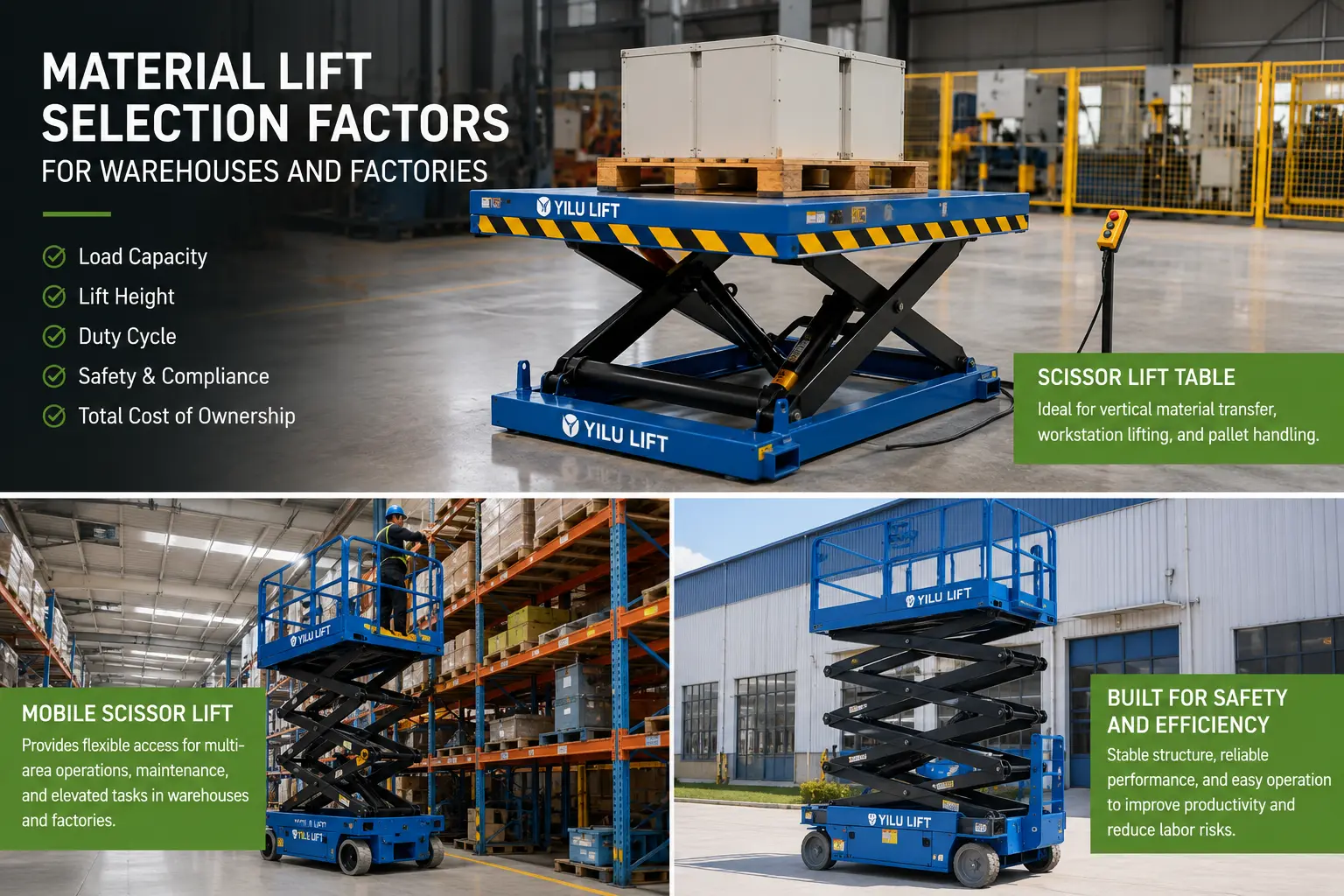

Comment choisir un élévateur à ciseaux automoteur pour les entrepôts et les usines
Comment choisir un élévateur à ciseaux automoteur pour les entrepôts et les usines
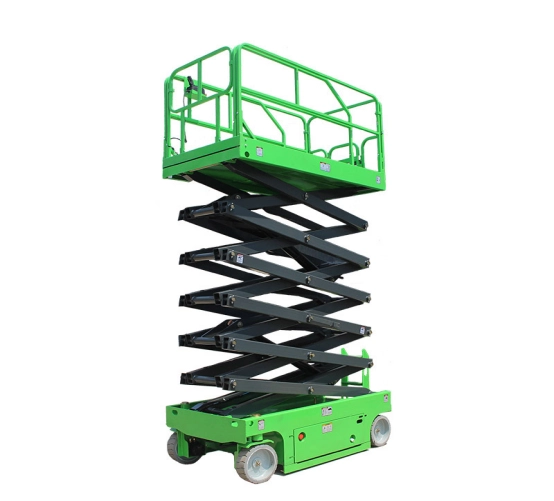
Le choix d'une nacelle élévatrice à ciseaux automotrice doit se faire en fonction des besoins de l'utilisateur plutôt que de privilégier le modèle le plus cher. Les acheteurs d'entrepôts doivent prendre en compte tous les aspects liés à la hauteur de levage, au poids de la charge, aux dimensions de la plateforme, à la largeur des allées, au type de sol, à la source d'alimentation, au cycle de service, aux commandes et à la documentation avant de comparer les prix. Cet outil permet aux acheteurs des circuits d'importation et de distribution, ainsi qu'aux loueurs et aux acheteurs industriels, de définir leurs besoins et de comparer ensuite les modèles YILU LIFT.
1. Commencez par la hauteur de travail et la charge
Convertir la tâche en exigences mesurables
Commencez par décrire la tâche que la machine doit accomplir. Notez la hauteur maximale à laquelle les personnes doivent pouvoir accéder, la hauteur de plateforme requise, la hauteur de travail requise, la charge sur la plateforme, le nombre de personnes, d'outils et de matériaux, ainsi que la fréquence d'utilisation de la nacelle. Indiquez également la distance de transfert vers les rayonnages, les convoyeurs, les plafonds, les lignes de production ou les points de maintenance. Une expression comme « nacelle élévatrice » ou « nacelle ciseaux électrique automotrice de 14 m » ne constitue qu'un point de départ ; un fournisseur a besoin des informations précises concernant la hauteur, la charge et le positionnement pour recommander une configuration sûre.
Vérifier la charge nominale et la capacité de la plateforme
La charge nominale comprend les personnes, les outils, les consommables, les pièces de rechange et tout matériel restant sur la plateforme. Vérifiez la répartition de la charge et le centre de gravité, et pas seulement le poids total. Si une plateforme d'extension est utilisée, demandez si sa capacité diffère de celle de la plateforme principale. Le devis doit indiquer la charge nominale pour le modèle et la configuration exacts, ainsi que toute restriction liée à l'extension de la plateforme, au vent, à la pente ou aux mouvements. Utilisez les données spécifiques au modèle fournies par YILU LIFT plutôt que d'appliquer une marge de sécurité générique.
2. Adapter la taille de l'ascenseur aux allées et aux étages
Mesurer l'itinéraire complet
Même la nacelle élévatrice à ciseaux mobile automotrice la plus performante ne sera pas adaptée si elle ne peut accéder à la zone de travail. Mesurez la largeur minimale de la porte, de l'allée, du portail, de l'ouverture du quai de chargement et du chemin jusqu'au poste de travail. Notez la présence de colonnes, de porte-à-faux de rayonnages, de portes coupe-feu, de passages piétons, de points de virage et d'obstacles en hauteur. Demandez les dimensions exactes du modèle : largeur, longueur, hauteur repliée, angle de braquage et garde au sol. Vérifiez la machine en configuration transport, repliée, levée et déployée ; ne vous fiez pas à une simple photo pour évaluer la compatibilité.
Vérifier les conditions au sol et de fonctionnement
Le béton lisse, les sols revêtus, les plaques de quai, les rampes, les seuils, le gravier et les terrains extérieurs accidentés créent des conditions d'utilisation différentes. Vérifiez les limites de charge du sol, l'état de la dalle, la pente, le drainage, les joints de dilatation et les zones où une roue pourrait perdre de l'adhérence. Déterminez si l'élévateur se déplacera en position levée, franchira un seuil, utilisera une rampe ou travaillera près d'un bord. Ces détails déterminent si un modèle électrique intérieur convient ou si l'application nécessite une étude spécifique pour terrains accidentés et une procédure d'utilisation adaptée au site.
3. Choisissez la configuration électrique ou tout-terrain
Évaluer les modèles électriques pour les travaux en intérieur
L'équipement électrique est souvent évalué pour les entrepôts et les usines où l'acheteur doit gérer l'évacuation des fumées, le bruit, la ventilation, la protection des sols et la logistique de recharge. Il convient de comparer les dimensions de rangement de la machine, la configuration de la batterie et du chargeur, sa compatibilité avec les sols intérieurs et les déplacements prévus. Un élévateur adapté à l'allée mais incapable de terminer son service sans interruption de recharge imprévue n'est pas une solution optimale. Avant de considérer un modèle électrique comme prêt à l'importation ou à l'utilisation en flotte, il est indispensable de vérifier auprès du fournisseur la configuration de l'alimentation électrique et des prises du site de destination.
exigences distinctes pour les terrains accidentés
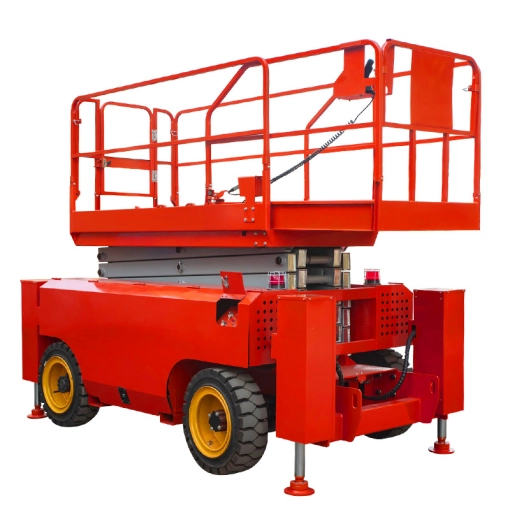
Les nacelles ciseaux tout-terrain sont conçues pour des conditions différentes de celles d'une dalle lisse en intérieur. La nacelle YILU LIFT options de nacelles élévatrices à ciseaux pour terrains accidentés Incluent les modèles électriques GTJZ08RT-B, GTJZ10RT-B et GTJZ12RT-B, ainsi que les modèles diesel GTJZ12-D, GTJZ15-D et GTJZ18-D. Utilisez ces noms de modèles pour établir une demande de comparaison pour les chantiers, la construction d'usines ou l'entretien extérieur, puis vérifiez les caractéristiques spécifiques à chaque modèle : niveau de finition, garde au sol, pneumatiques, limites de stabilité, hauteur de travail, charge et exigences du marché cible.
4. Planifier le cycle de service, la charge et la maintenance
Décrivez le rythme de travail et les déplacements.
Indiquez le nombre de levages par heure, la distance moyenne parcourue, la durée moyenne de levage, le nombre de postes de travail et les périodes d'inactivité. Précisez si la machine sera partagée par les équipes de production, de maintenance et d'entrepôt, et identifiez les périodes de pointe où une machine de secours pourrait être nécessaire. Le cycle d'utilisation influe sur la planification des batteries, les fenêtres de charge, les besoins en machines de rechange et la planification de la maintenance. Deux ponts élévateurs de hauteur et de capacité de charge similaires peuvent présenter des coûts d'exploitation très différents selon que l'un est utilisé ponctuellement ou en continu dans un entrepôt fonctionnant par roulement.
Demandez le forfait complet d'alimentation et de service.
Pour un modèle électrique, veuillez préciser le type de batterie, la tension, la capacité, les spécifications du chargeur, le temps de charge et l'environnement de charge recommandé pour ce modèle. Pour une version diesel ou tout-terrain, veuillez vous renseigner sur le carburant, les émissions, le niveau sonore, l'accessibilité pour l'entretien et les conditions d'utilisation décrites dans la documentation technique. Avant de valider votre commande, veuillez demander le manuel d'utilisation, la liste des pièces détachées, la liste de contrôle pour l'inspection et les intervalles d'entretien recommandés. Le YILU LIFT Caractéristiques des plateformes de travail aériennes automotrices destinées aux marchés d'exportation peut prendre en charge la recherche de fonctionnalités, mais le devis doit confirmer la puissance réelle et le forfait de services du modèle sélectionné.
5. Considérer la sécurité et la conformité comme des spécifications d'achat
Vérifier les fonctions de sécurité spécifiques à la machine
Demandez au fournisseur d'identifier les dispositifs d'arrêt d'urgence, de descente d'urgence, de commande de la plateforme et du sol, les garde-corps, les alarmes, les protections contre les nids-de-poule et les problèmes de stabilité, ainsi que toutes les autres fonctions fournies avec le modèle exact. L'acheteur doit également définir les procédures d'inspection avant utilisation, de vérification de la zone de travail, de séparation des piétons, de contrôle des risques de chute et de récupération. Les recommandations de l'OSHA insistent sur l'évaluation des risques, le positionnement stable, l'utilisation des garde-corps, l'inspection et la formation du personnel à l'utilisation des nacelles élévatrices et des plateformes ciseaux. Ces principes constituent des consignes de sécurité générales ; ils ne remplacent pas le manuel d'utilisation, l'évaluation des risques du site ni l'analyse de la législation locale.
Confirmer les documents de formation, d'inspection et de marché
Les documents d'approvisionnement doivent préciser qui formera les opérateurs, qui effectuera les contrôles quotidiens, comment les défauts sont signalés, comment les inspections périodiques sont consignées et comment une machine est mise hors service. Avant de passer commande, demandez les manuels, les étiquettes d'avertissement, les informations électriques, les rapports d'inspection et toute certification ou documentation linguistique requise sur le marché de destination. Ne considérez pas une page produit ou un nom de modèle comme preuve de conformité locale. Demandez à YILU LIFT et à l'organisme local compétent de confirmer la configuration, la documentation et le champ d'application de l'homologation pour le pays concerné.
6. Utilisez la gamme YILU LIFT pour établir une liste restreinte et une demande de devis.
Comparer les familles de modèles à l'application
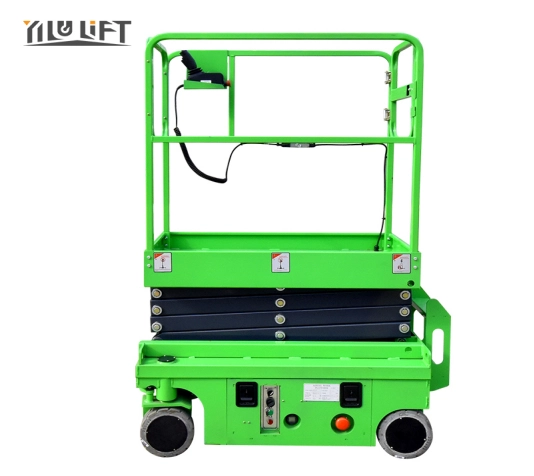
L'ASCENSEUR YILU gamme de nacelles élévatrices à ciseaux automotrices Cette liste répertorie les modèles GTJZ08S, GTJZ08F, GTJZ10F, GTJZ12F, GTJZ14F et GTJZ16F. La gamme mini comprend les modèles GTJZ-5.0H, GTJZ-5.9H et GTJZ-6.8H pour les comparaisons d'accès compact. Utilisez ces pages pour identifier les familles de nacelles qui vous intéressent, puis affinez votre sélection en fonction de la hauteur de travail, de la charge nominale, des dimensions de la plateforme, de la largeur repliée, de l'état du sol, du groupe motopropulseur, du cycle de service et de la documentation. Vérifiez chaque valeur finale à l'aide de la fiche technique spécifique au modèle.
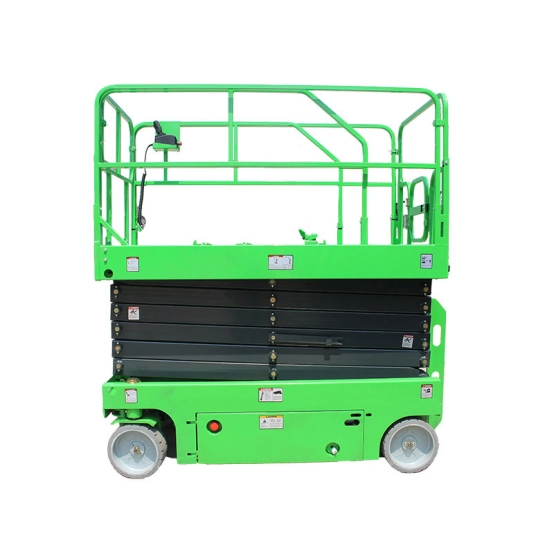
Comparer le coût du cycle de vie via une demande de devis basée sur l'application
Comparez le prix d'achat en incluant le transport, la manutention à l'importation, la mise en service, l'énergie ou le carburant, l'équipement de recharge, la formation, les inspections, la maintenance planifiée, les pièces de rechange, les temps d'arrêt et les hypothèses de redéploiement. Joignez des photos du site, les dimensions des portes et des allées, les détails du sol ou de la rampe, les exigences en matière de hauteur et de charge, le planning des équipes, le pays de destination, la quantité et les documents demandés. Si vous hésitez entre un modèle électrique standard et un modèle tout-terrain, indiquez-le clairement. Une demande de comparaison précise permettra à YILU LIFT de vous recommander la solution la plus adaptée et limitera les modifications de spécifications après la commande.
FAQ
Qu'est-ce qu'une nacelle élévatrice automotrice à ciseaux ?
Une nacelle élévatrice automotrice est une plateforme de travail mobile en hauteur capable de se déplacer par ses propres moyens et de lever une plateforme verticalement. Elle est utilisée pour l'installation, la maintenance, les travaux d'entretien et autres tâches nécessitant l'accès de personnes et d'outils en hauteur. Le modèle adapté dépend du site, de la charge et du mode d'utilisation, et non de son seul nom.
Comment choisir la bonne hauteur de travail ?
Commencez par identifier le point le plus haut à atteindre, puis vérifiez si le fournisseur indique la hauteur de la plateforme ou la hauteur de travail. Contrôlez la distance de transfert, le dégagement vertical, les dimensions de la plateforme et la capacité de la machine à se positionner suffisamment près de la zone de travail. Demandez les deux valeurs de hauteur dans le devis afin de pouvoir comparer les spécifications avec la zone de travail réelle.
Un élévateur à ciseaux électrique est-il adapté à un entrepôt ?
Cette solution peut convenir si l'entrepôt dispose d'un sol compatible, d'une ventilation adéquate et d'un système de recharge fonctionnel. Avant de commander, veuillez vérifier la largeur exacte de la machine, l'état du sol, le type de batterie, le cycle de service et les exigences électriques du lieu de destination. Un sol accidenté, des rampes ou les conditions climatiques extérieures peuvent nécessiter une configuration différente et une analyse d'utilisation spécifique.
Quelles informations dois-je joindre à ma demande de location de nacelle élévatrice à ciseaux ?
Veuillez indiquer la hauteur de travail, la hauteur de la plateforme (si connue), la charge nominale, le nombre de personnes et d'outils, l'utilisation d'une plateforme d'extension, les dimensions du site, l'état du sol, le type d'utilisation (intérieur ou extérieur), les horaires de travail, la quantité, le marché de destination, l'alimentation électrique et la documentation requise. Des photos, des schémas ou un plan de site simplifié permettent au fournisseur d'identifier les risques d'accès avant même d'établir le devis.
Demande d'examen des spécifications d'une nacelle élévatrice à ciseaux automotrice
Soumettre des données de candidature vérifiées
Pour un entrepôt, une usine, une flotte de location ou un programme de distribution, veuillez transmettre à YILU LIFT les données de votre application avant de demander un devis définitif. Indiquez la hauteur de travail, la charge nominale, l'utilisation d'extensions de plateforme, les conditions d'utilisation (intérieur ou extérieur), les contraintes liées au sol et aux allées, la quantité, le marché de destination et les exigences en matière de certification ou de tension. Demander une analyse des spécifications d'une nacelle élévatrice automotrice à ciseaux Ainsi, le fournisseur peut comparer la gamme de modèles concernée et identifier toute information encore nécessaire pour une recommandation B2B défendable.