
All-Terrain Scissor Lift Selection: Ground Conditions, Height, and Power
All-Terrain Scissor Lift Selection: Ground Conditions, Height, and Power
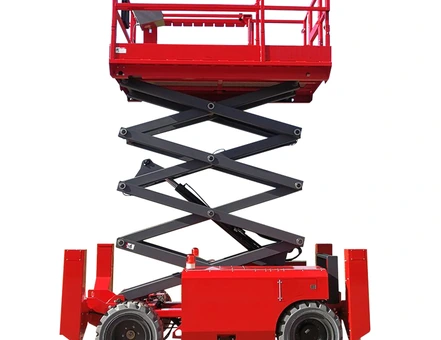
An all-terrain scissor lift is often described as a rough-terrain scissor lift. Choose it around the ground it must cross, the working height, and the load on the platform. The name alone does not settle the choice: route width, ground clearance, support space, platform size, and power source still need to fit the job.
Before comparing models, describe the worksite in plain terms. Is the lift travelling over compacted soil, gravel, a finished slab, or a mixed surface? Will it move between locations while lowered? Does the crew need room for tools or materials on the platform? These details help separate a suitable all-terrain scissor lift from a machine that only looks adequate on a product table.
Start with the Ground and the Route
Identify the surface that the machine will actually cross
Walk the complete route from unloading point to the work position. Note soft ground, loose stone, ramps, drains, kerbs, changes in level, and areas where the wheels may lose contact. A route that looks flat from a distance can still need more clearance or a different driving arrangement.
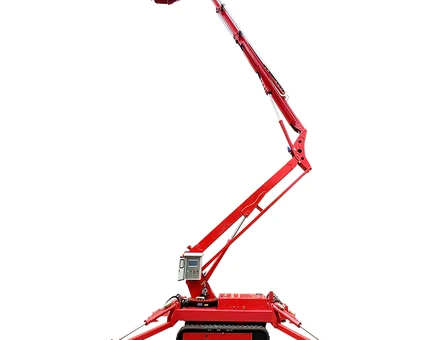
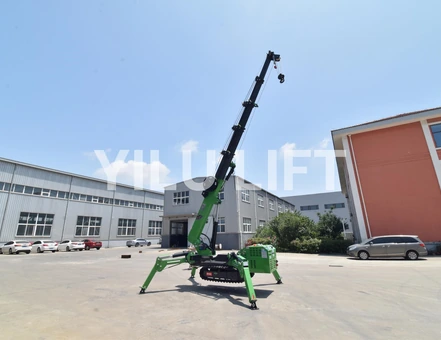
YILU LIFT’s all-terrain and crawler formats suit different site conditions. The mobile scissor lift range is useful when comparing those directions, but the actual machine must still be checked against the route, turning area, and surface condition at the site.
Check whether the machine works on the surface or only reaches the position
Some jobs require the lift to travel over rough ground before the platform is raised. Other jobs allow the machine to be delivered directly to a prepared pad. Those are different operating conditions. If the machine will travel while loaded or reposition frequently, confirm the manufacturer’s permitted travel condition and the surface limits for the selected model.
Keep travel and elevated work as separate checks. A gradeability figure usually describes slope travel with the platform stowed; it does not establish the permitted slope for raising the platform. Send YILU LIFT the slope and surface details for the route and the working position so the limits can be checked for the selected model. Four-wheel drive and an oscillating axle do not replace that check.
Match Working Height to the Task
Separate working height from platform height
Working height normally describes the approximate reach available to an operator standing on the platform. Platform height describes how high the deck itself rises. The difference matters when the task involves a roof edge, facade, steel frame, or overhead service point.
The YILU LIFT all-terrain range lists maximum platform heights of 10 m, 13 m, and 16 m on the product page, with corresponding working-height models of about 12 m, 15 m, and 18 m. Treat these as model-family references, then confirm the exact platform and working height for the requested configuration.
Leave room for the work, not just the target elevation
Measure the highest point that must be reached, then add the clearance needed for the operator to work without leaning over the guardrail. If the job involves cladding, maintenance, or installation, include the depth of the material and the position of the fixing point.
Choosing the next taller model “just in case” may increase overall length, stored height, weight, and ground demand. A closer match often gives a more manageable machine and a clearer transport plan.
Calculate the Platform Load Properly
Add people, tools, and materials
Platform capacity includes the operator, tools, consumables, and materials carried onto the deck. A panel, cable reel, or installation frame can add weight quickly. List the normal working load and the heaviest planned load separately.
The published all-terrain examples show lift capacities of 680 kg and 1,150 kg, with 230 kg listed for the extension deck. These figures should be read with the model table and the selected platform arrangement. An extension deck is not automatically rated for the same load as the main platform. For model-specific dimensions and platform options, review the current product specifications against the site measurements before requesting a configuration.
Consider how the load is distributed
A concentrated load near one edge creates a different condition from a distributed load in the centre. Long materials can also affect the guardrail area and the machine’s movement. If the crew needs to carry bulky items, provide the material dimensions and the intended loading position during enquiry.
Platform size matters as well as rated capacity. The listed all-terrain models use a platform around 3.95 x 1.83 m and an extension deck arrangement, but the exact deck, extension, and load limits must be confirmed for the model being considered.
Check Support, Levelling, and Stability
Allow for outriggers and level working space
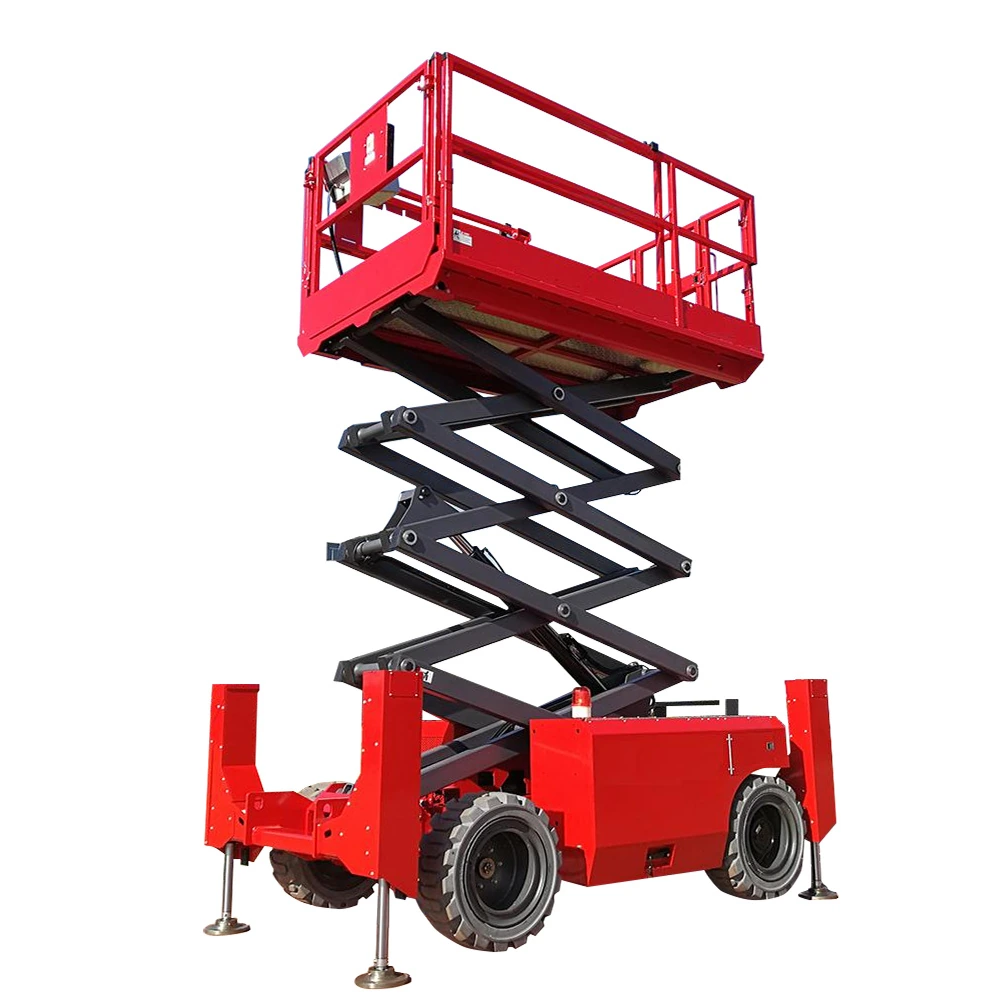
Hydraulic outriggers can help level the machine when the working area is uneven, but they still need a firm bearing surface and enough room to deploy. Mark the proposed outrigger positions, nearby edges, trenches, and underground services before choosing the parking area.
The product description also refers to an active oscillation axle for maintaining wheel contact on uneven roads. This supports movement over changing ground, but it does not remove the need to check the final working surface and the machine’s permitted slope.
Check ground pressure and edge distance
A machine can be within its rated capacity and still be unsuitable for a weak or unstable surface. Ask the site team whether ground protection mats, compacted fill, or a prepared pad will be needed. Keep a safe distance from excavations and unsupported edges, and include the actual ground condition in the selection request.
If a lift will be used near a building, check door thresholds, basement covers, loading docks, and temporary ramps. These small transitions are often the point at which a large machine becomes difficult to move.
Electric or Diesel for Rough-Terrain Work?
An electric rough-terrain scissor lift may suit a site with indoor transitions or limits on exhaust and noise, provided charging and the daily duty cycle fit the job. A diesel scissor lift needs a refuelling plan and site conditions that permit engine use. YILU LIFT lists electric and diesel power types for its all-terrain range; confirm the available configuration for the height, load, and route required.
Confirm the supply or refuelling plan before the model is selected. If the machine will move between indoor and outdoor areas, note ventilation, door height, floor protection, and whether the site allows the proposed power source. A hybrid assumption can create a delay at delivery if it was not included in the enquiry.
Compare Dimensions Before the Order
The published examples use an overall width of about 2.28 m, stored heights from about 2.81 m to 3.25 m, and a length around 4.2 to 4.81 m. These dimensions are useful for early planning, but the exact model and options change the transport envelope.
Measure the truck or trailer, the site entrance, turning radius, gate opening, and the area needed to unload. Include the height of the machine when folded and the space needed to open the platform or deploy the outriggers. A transport drawing can prevent a late change to the delivery plan.
|
Selection check |
Information to match |
|
Height |
Required task height and the model’s platform and working heights |
|
Platform load |
People, tools and materials; main-deck and extension-deck limits |
|
Access |
Stowed width and height, turning space and ground clearance |
|
Setup |
Working footprint and space for the selected support arrangement |
|
Ground loading |
Machine weight, planned load and the site’s bearing conditions |
|
Power |
Available charging or refuelling, travel distance and daily working cycle |
All-Terrain or Crawler Scissor Lift?
An all-terrain scissor lift is usually considered when four-wheel mobility, ground clearance, higher platform capacity, and outdoor travel are central to the job. A crawler scissor lift may be more appropriate when the route is narrow, the ground contact needs to be spread, or the machine must pass through a softer or more sensitive area. The two formats can overlap, but they are not interchangeable by name alone.
Compare the route, floor protection, platform height, load, and power arrangement together. If the site includes both a rough external route and a finished internal floor, explain the complete transition rather than selecting the machine from one section of the project.
FAQ
What information is needed to select an all-terrain scissor lift?
Provide the required working and platform height, maximum platform load, material dimensions, route width, surface type, slope or level changes, working area, power preference, and any gate or transport limits. A site photo with a person or known object for scale helps clarify the route.
Are the main platform and extension deck rated the same?
Not necessarily. The extension deck can have its own limit. Check the model table and describe where the people, tools, and materials will stand before confirming the configuration.
Can a rough-terrain lift be used on any uneven ground?
No. Uneven ground still needs suitable strength, slope, clearance, and a safe working area. Outriggers, oscillating axles, and four-wheel drive support the machine’s intended operation but do not replace a site-specific check.
Prepare an All-Terrain Scissor Lift Enquiry
The most useful enquiry combines the job height, load, route, ground condition, working area, and power requirement. Add the narrowest access point and a photo of the proposed parking area if available.
When those details are available, send the site information to YILU LIFT for a model and platform discussion. A concise site brief helps the discussion cover delivery, travel, setup, and the final lift, not just a catalogue number.