
Electric Aerial Work Platforms: 2026 Trends for Safer Work at Height
Electric Aerial Work Platforms: 2026 Trends for Safer Work at Height
Introduction
The worldwide push for green practices and worker protection is changing the way sectors handle tasks up high. In areas like building projects and storage facilities, plus upkeep of buildings, firms are quickly switching to electric aerial work platforms. This helps them follow tougher rules on emissions and boost daily tasks. The change from fuel-based machines to ones powered by batteries shows not just rule-following for the environment. It also highlights a bigger focus on ESG aims.
YILU LIFT, a top maker in the equipment for lifting field, matches its 2026 new items with these growing market wants. It provides electric scissor lifts, boom lifts, and small access tools built for safer and cleaner jobs.
Industry Trends Accelerating Electric Aerial Platform Adoption
A few worldwide shifts are speeding up the use of battery-powered access tools. Groups like ANSI, OSHA, and CE have strengthened tougher safety rules for work up high. This urges builders to pick better and rule-matching options. City building jobs now often need gear with no emissions. That’s because of rules on clean air and limits on noise.
Small size matters a lot too. Builders like movable units that move easily through narrow indoor spots or sites with many levels. Rental businesses are growing their battery fleets. They do this to fit what customers want. Those wants include easy-care, earth-friendly choices that cut time off between rentals.
YILU LIFT Electric Aerial Work Platform Product Portfolio
YILU LIFT’s battery range fits various lifting jobs in different fields:
|
Product Type |
Key Features |
Typical Applications |
|
Stable vertical lifting; wide platform options |
Warehouses, factories, construction sites |
|
|
Electric Boom Lifts |
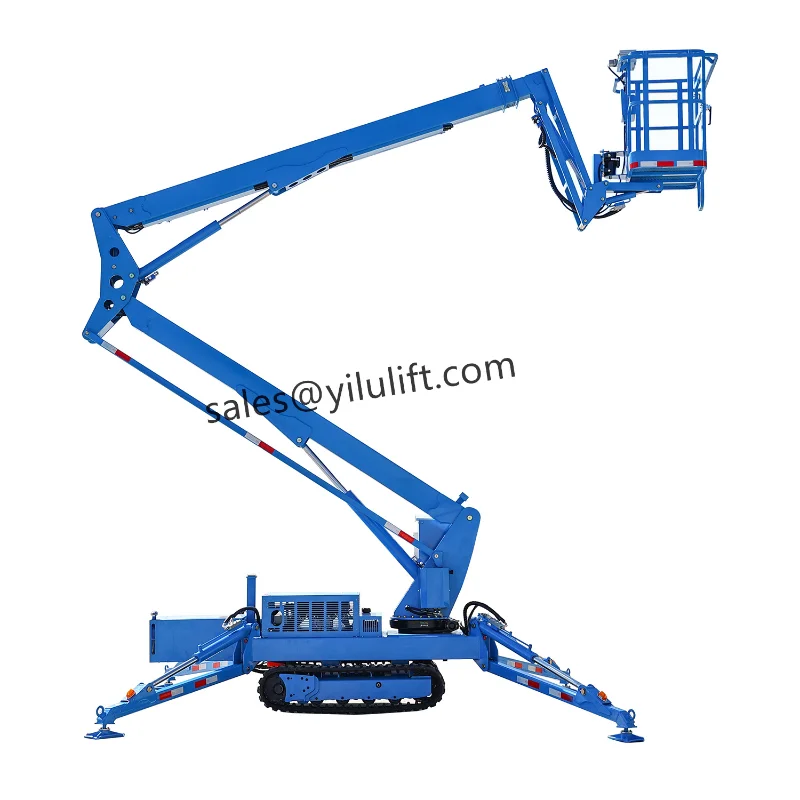
Articulating/telescopic arms for complex outreach |
Building maintenance, installation work |
|
Towable Electric Boom Lifts |
Lightweight mobility across multiple sites |
Multi-location contracting projects |
|
Vertical Mast Lifts |
Compact footprint for tight indoor spaces |
Shopping malls, airports, offices |
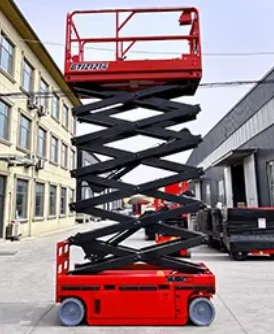
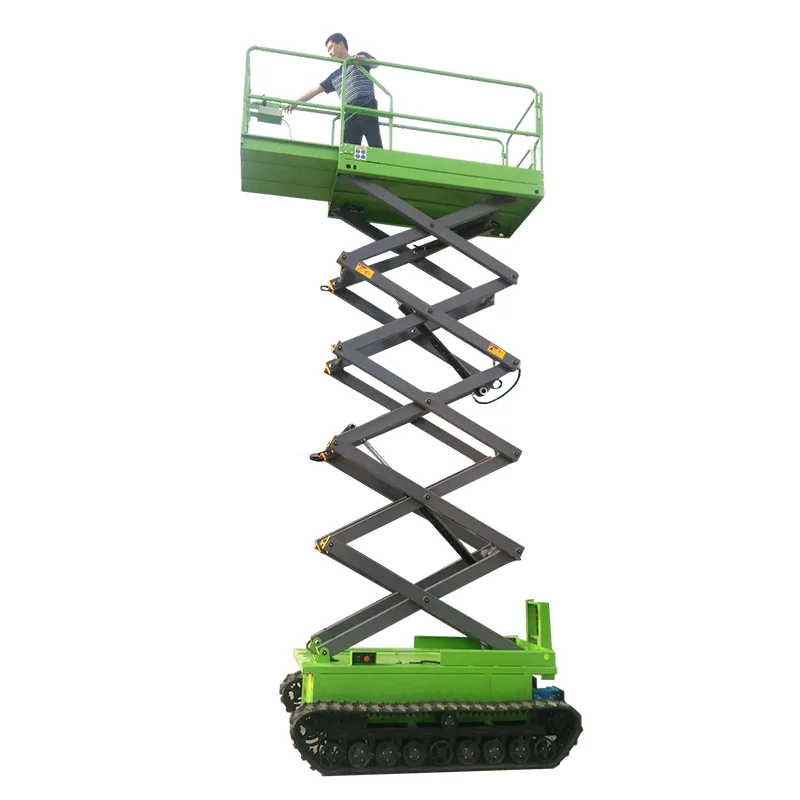
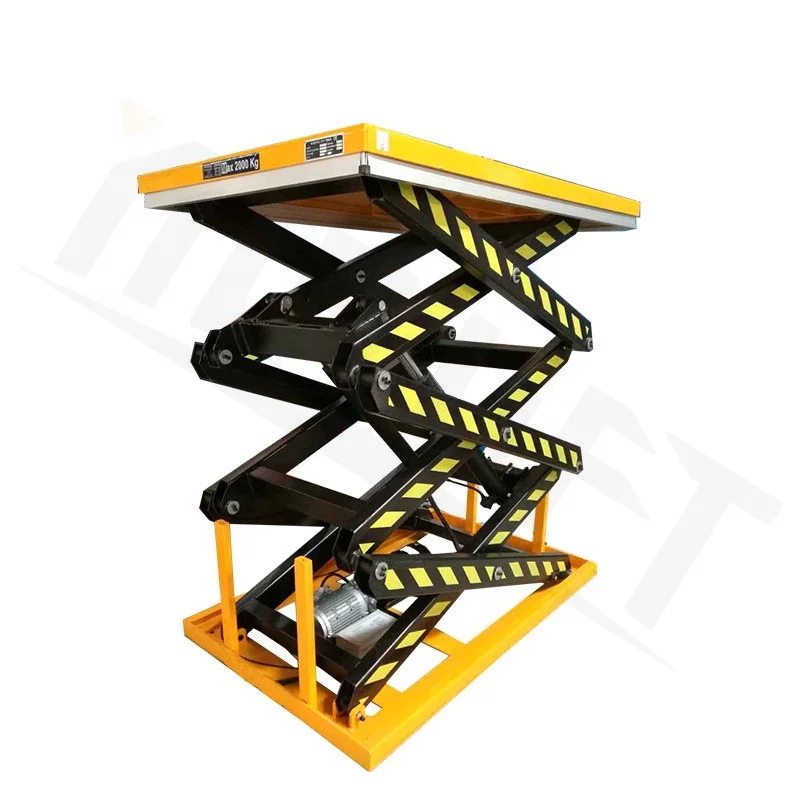
The scissor lift platform has the characteristics of compact structure, large load capacity, strong passability and good maneuverability, so it is widely used in modern logistics, aviation loading and unloading, manufacturing and maintenance of large equipment. This flexibility turns it into a top pick for builders. They seek reliable up-and-down access. And they don’t want to lose steadiness or protection.
Safety Innovations Integrated Across YILU LIFT Equipment
Safety stays at the heart of YILU LIFT’s planning approach. Every type includes smart control setups. These can watch performance live and spot issues right away. Anti-overload protection stops too much weight from harming the build’s strength. That’s a vital part. Anti-overload safety protection device protects the equipment from exceeding the rated load.
Tilt alarms warn workers if the ground feels unsteady. And emergency lowering systems let for safe drop in power cuts. Emergency descending device: in case of sudden power failure, opening the emergency descending device can lower the equipment to a safe height. Hydraulic steadying parts and tougher handrails help cut dangers even more while in use. All YILU LIFT platforms hold CE-certified status. This meets global safety marks. It’s key for big builders handling rules in many countries.
Battery Technology and Power System Advancements
Moving from lead-acid to lithium-ion batteries marks one of the biggest tech jumps here. Lithium-ion groups give quicker charge times. They last longer and keep steady power even with tough loads. For workers switching between inside storage and outside builds, mixed AC/DC choices bring ease. They do so without cutting into run time.
Different power forms (AC, DC, internal combustion engine power, etc.) can be selected according to different requirements. These add-on power setups let companies adjust their groups based on site needs or power setup options. That’s an important point. More places now use green energy for charging gear.
Application Scenarios Across Key Industries
Battery aerial tools have turned essential in many areas:
- Construction:Perfect for putting up outer walls, high building windows, or wiring power lines at heights up to 18 meters. Self-propelled scissor lift advantages include maximum operating height 8–16m; foldable fence reduces size; compact design makes it easy to operate in tight spaces.
- Warehousing & Logistics:Used for stock checks or fixing shelf systems where low noise counts most.
- Facility Management:Helps with air system fixes or light repairs without sending out smoke inside.
- Municipal Projects:Put to work in fixing road lights or city plant care where easy movement stands out.
By picking the right types, like a battery powered boom lift for reaching out or an electric scissor lift for floor builds, workers get both speed and accuracy. For instance, on a busy warehouse site, a scissor lift might handle daily stock tasks at 10 meters high. Meanwhile, a boom lift could reach tricky spots in a new office build, cutting setup time by 20% based on field reports from similar projects.
Cost Efficiency and Fleet Value for B2B Buyers
From a company view, battery aerial work platforms bring clear money savings over old fuel units:
- Lower total cost of ownership due to reduced fuel consumption
- Fewer mechanical components requiring routine servicing
- Higher uptime rates translating into better rental utilization
- Strong resale value thanks to prolonged battery life cycles
Group buying plans from YILU LIFT let fleet heads tailor setups for job needs. At the same time, they gain maker-level help. Real-world data shows electric models often save up to 30% on energy costs yearly, drawing from experiences in large rental fleets across Europe.
How to Select the Right Electric Aerial Work Platform
Picking the best lifting gear relies on a few job factors:
- Working Height & Outreach:Line up platform lift with exact job wants (e.g., 10m warehouse roof vs 16m wall task).
- Platform Capacity & Safety Features:Check rated load fits tools plus worker weight. Think about anti-overload systems noted before.
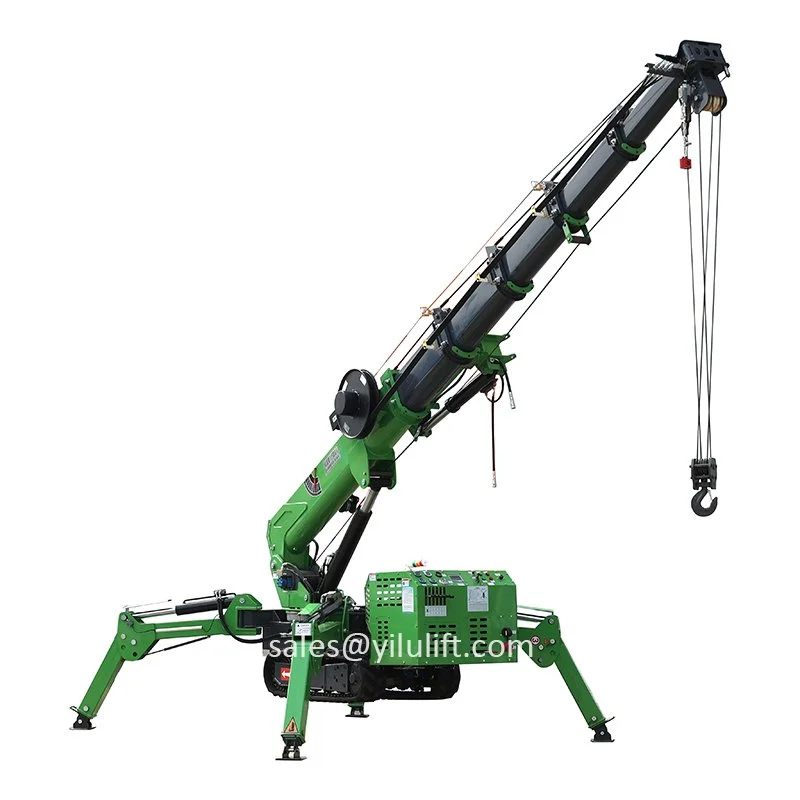
- Equipment Type:Choose between scissor lifts (straight up), boom lifts (reaching out), towable kinds (easy move), or mast lifts (small for inside).
- Battery Type & Runtime:Weigh lithium-ion against lead-acid based on daily work load.
- After-Sales Support:Easy access to parts and fix networks greatly affects long-run trust.
Before using an aerial work platform, check whether the work site is dangerous, such as trenches, steep slopes, caves, gravel, overhead obstacles, high-voltage wires. This pre-operation inspection remains a best practice regardless of model type. In practice, teams often spot issues like uneven ground early, avoiding delays seen in 15% of reported incidents from industry logs.
Conclusion
Battery aerial work platforms are setting new benchmarks for output in fields moving into 2026. Their mix of no-emission running, smart controls, and better worker comfort makes them vital tools for today’s builders. They focus on both output and staff safety. YILU LIFT keeps pushing this change. It does so with its wide electric scissor lifts for build sites and battery powered boom lift types made for hard reaching jobs. This aids companies in safer work with less harm to the earth.
For detailed specifications, project-based recommendations, or procurement support, inquiries can be directed to YILU LIFT for further information.
FAQs
Q1: What types of electric aerial work platforms are available for different jobsite needs?
A: Choices cover electric scissor lifts for straight-up access jobs, such as routine warehouse upkeep. Battery-operated boom lift options work well for reaching-out tasks. Towable models provide easy movement across various projects. Vertical mast lifts fit best in tight indoor areas.
Q2: How do YILU LIFT electric platforms ensure compliance with international safety standards?
A: Every machine comes with CE certification. It also includes several safety features. These cover overload protection systems and quick emergency lowering options. Such elements draw from proven industry methods mentioned earlier.
Q3: What are the advantages of lithium-ion batteries in electric aerial work platforms?
A: Lithium-ion batteries charge up quicker than older types. They last much longer overall, often up to twice the cycles of lead-acid ones in real field use. Voltage stays steady even during tough loads, like lifting heavy tools on construction sites. Plus, they need very little upkeep, which boosts daily productivity on busy work areas.
Q4: How can contractors optimize ROI when investing in electric aerial platforms?
A: Contractors should look at the full ownership costs over time. This means comparing power expenses to traditional diesel outlays, where electric models can save up to 30% in fuel alone based on typical rental fleets. Higher daily usage in leasing businesses or across multiple locations also plays a big role in better returns.
Q5: Which YILU LIFT products are best suited for multi-site contracting operations?
A: Towable electric boom lifts shine here because of their light weight and fast assembly on the go. Compact scissor models handle well too, especially when moving often between different buildings or yards.
-

-
Complete Maintenance Checklist
2026-04-23 -
Rough Terrain Scissor Lifts
2026-04-23 -