
Electric vs Diesel Scissor Lifts: Pros and Cons for Job Sites
Electric vs Diesel Scissor Lifts: Pros and Cons for Job Sites
Introduction
The growth of aerial work platforms has changed how today’s construction, upkeep, and logistics tasks get done. From stationary hydraulic lifts to mobile scissor types, the field has shifted to safer, smoother, and more flexible options.
With economic growth and tech advances, in the fast-paced market economy, companies aim to boost output speed. So, people create gear that cuts down on labor and supplies while handling jobs well.
This change brings a key choice for project managers: picking an electric scissor lift or a rugged diesel one. The decision goes beyond just reach. It involves fitting the energy type to the setting.
YILU LIFT’s engineering philosophy focuses on versatility—designing machines that balance power with precision, ensuring safety while adapting to both indoor and outdoor demands.
Electric Scissor Lifts: The Indoor Powerhouse
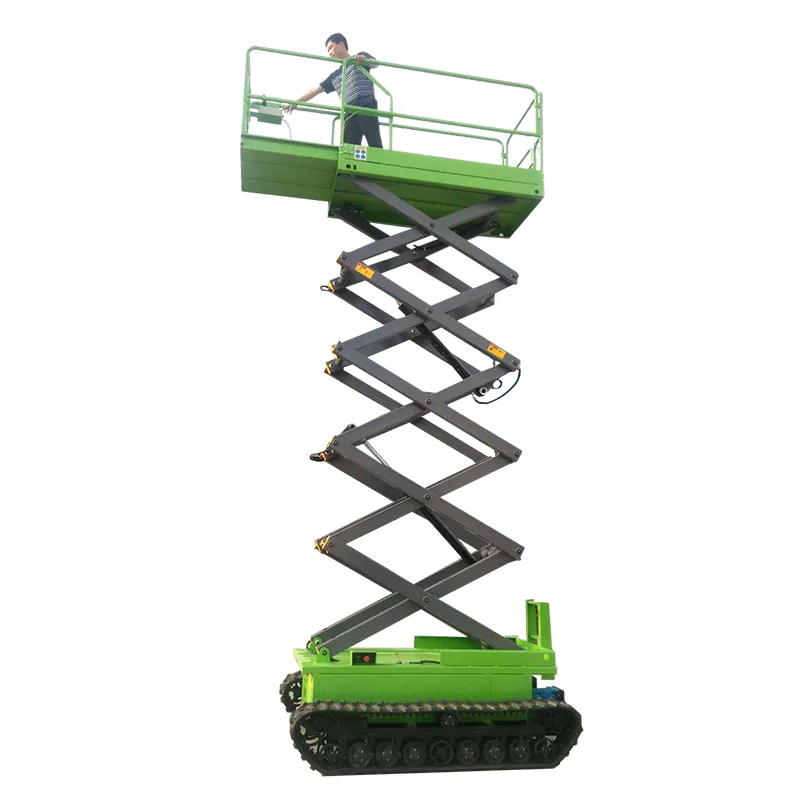
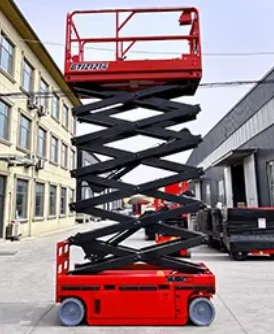
Electric scissor lifts stand out for their clean power use. These units produce no emissions. That suits them for closed spaces like clinics, educational buildings, retail spots, or storage areas where air stays important.
Clean Energy & Zero Emissions
Electric versions run on battery setups that skip exhaust completely. This keeps them in line with inside air rules. They work great for ongoing building care.
Quiet Operation
Sound limits often apply in city builds or medical areas. Electric lifts run with very little noise, unlike gas motors. Thus, they fit well for evening work or spots sensitive to racket.
Compact Design
Their slim frames let them navigate narrow paths or entrances easily. Most electric models come with tires that do not mark surfaces. This proves essential for polished indoor floors.
Maintenance Benefits
Unlike diesel motors, electric lifts have fewer parts that move. There are no oil filters, spark plugs, or fluid systems to check. Battery swaps happen on a steady schedule. And they occur less often than full engine fixes.
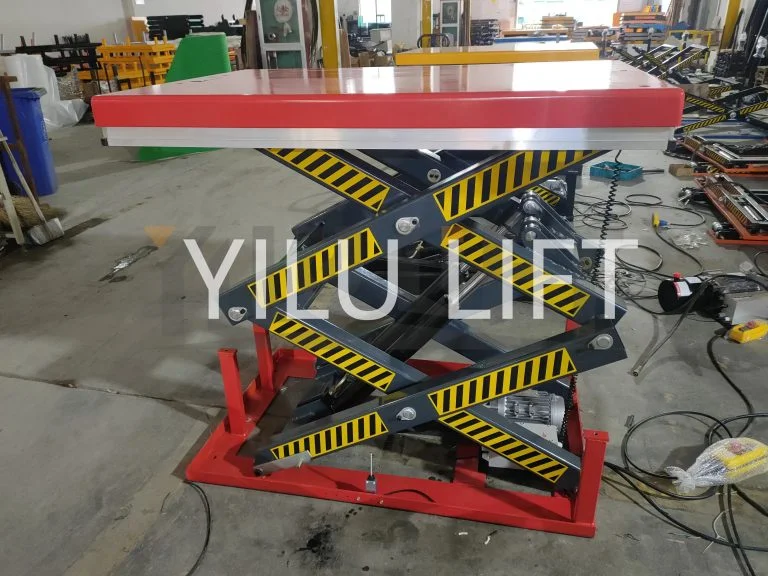
Hydraulic Self Propelled Scissor Lift works based on hydraulic rules. A hydraulic motor provides energy for moving and raising. It differs from electric drive styles. Hydraulic self propelled scissor lift stands out for high accuracy, strong response, low wear, and reduced sound.
Diesel Scissor Lifts: The Rough Terrain Beast
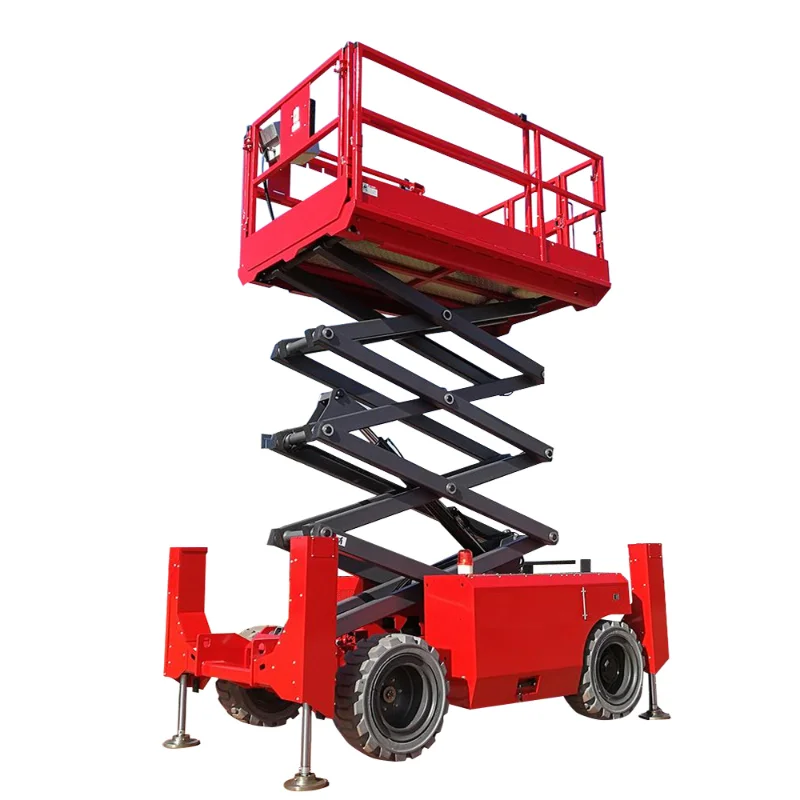
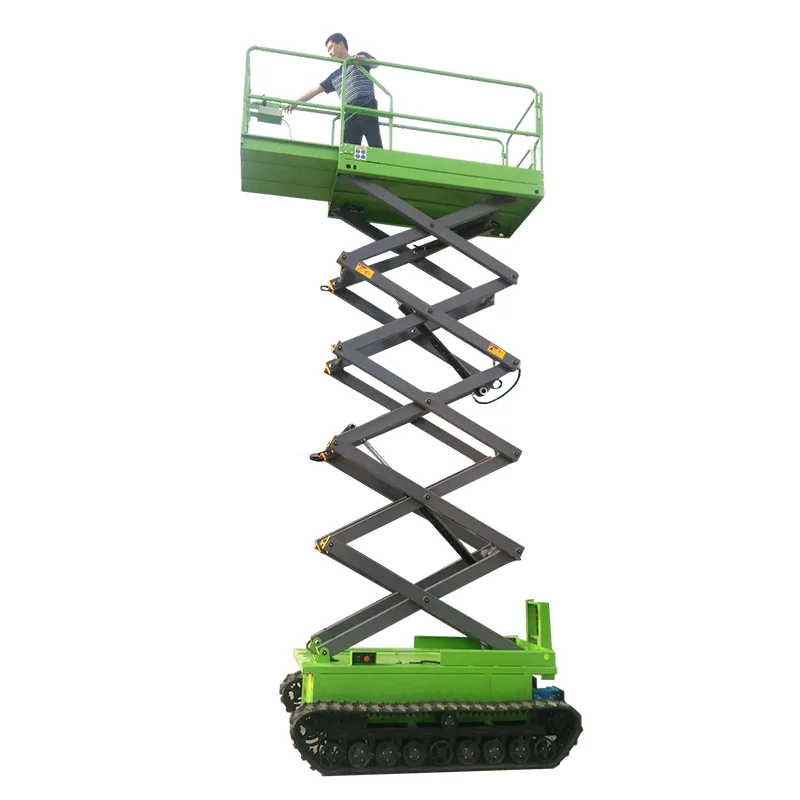
When tasks shift outside, such as building sites, street repairs, or bumpy ground, the tough diesel lift takes charge.
Superior Gradeability
Diesel units deliver top-notch pull. They tackle sharp rises or wet dirt without trouble. This comes from all-wheel drive and wide-grip tires.
High Load Capacity
These lifts hold several crew members along with weighty gear or supplies at once. And they keep steady all the while.
Extended Duty Cycles
Battery types need 6–8 hours to recharge, which cuts work time. Diesel lifts fill up fuel fast. So, they operate non-stop during full shifts.
Durability in Harsh Conditions
The motors handle wild temperature swings and grit found in build areas.
The scissor frame uses strong manganese steel box sections. Plus, it includes a backup drop system for power loss.
This sturdy build promises dependability during intense outside tasks.
Comparative Analysis: Performance Metrics
|
Metric |
Electric Scissor Lift |
Diesel Scissor Lift |
|
Power Source |
Battery (DC) |
Diesel Engine |
|
Ideal Use |
Indoor / Level Floors |
Outdoor / Uneven Terrain |
|
Noise Level |
Low |
High |
|
Load Capacity |
Moderate (230–450 kg typical) |
High (up to 1000 kg+) |
|
Gradeability |
~25% |
Up to 40% |
|
Maintenance |
Battery care & charging cycles |
Engine oil & filter changes |
|
Operating Cost |
Lower daily cost but higher battery replacement cost |
Dependent on fuel prices |
On performance, electric units might rise a bit slower. This stems from power-saving traits. Yet, they lead in exact placement. That suits wiring setups or roof fixes inside.
Safety remains central across both types. Four major safety systems Anti-overload safety protection device protects the equipment from exceeding the rated load. YILU LIFT integrates overload sensors, hydraulic pipe protection valves, emergency lowering devices, and safety locks across all product lines.
Choosing the Right Lift for Your Project
Picking an electric scissor lift over a diesel one means reviewing the work area carefully:
- Site Assessment:Inside jobs gain from electric choices. Outside builds prefer diesel power.
- Floor Loading Limits:Electric machines weigh lighter. This is due to simpler drive parts. It counts on upper levels or hanging floors.
- Budgeting:Electric units might cost extra at first for battery setups. But their overall ownership expense often drops. This happens because upkeep stays minimal.
- Hybrid Environments:Certain jobs move from inside trim work to outside wall setups. Mixed scissor lifts handle this switch smoothly.
Various hydraulic lifts need specific surroundings. They also have unique specs, like rated load, rise height, or platform size.
This tailored method shapes YILU LIFT’s advice sessions. It helps match gear to exact sites.
The YILU LIFT Advantage: Quality Meets Versatility
YILU LIFT follows CE/ANSI rules closely. At the same time, it keeps design options open. Top-notch pump setups make scissor lift table rises and drops quite steady.
Each piece faces tough checks. These cover surface rust-proof treatments to overload guard tests. All this ensures lasting strength in daily pressures.
Customization choices cover:
- Platform add-ons for broader access
- Safety rails with lock features
- Blast-proof valves for risky areas
- Non-marking tires or rough-road grips based on ground style
This flexibility captures YILU LIFT’s style. It combines rule-following safety with work ease across fields, from factory floors to airport hubs.
Conclusion
Electric versus diesel goes past tech details. It shows two views: one focused on surroundings, the other on raw force. Electric scissor lifts excel where fresh air and calm matter. Diesel types rule where stamina and might count. Smart picking ties machine skills to daily flow. It avoids just hunting specs.
For those seeking reliable performance backed by advanced hydraulic design principles and international safety certifications, contact YILU LIFT for a tailored solutions engineered for every elevation challenge.
FAQs
Q1: What are the primary maintenance differences between electric and diesel scissor lifts?
A: Electric scissor lifts focus on watching battery fluid and steady recharges. Diesel ones call for usual oil swaps, filter changes, fluid reviews, and fuel line cleans. Overall, they need more upkeep.
Q2: Can electric scissor lifts be used outdoors for short-term projects?
A: Yes. But only in gentle weather. Workers must review water resistance levels against dampness risks. And skip loose earth, since smooth tires miss the grip needed on rough spots.
Q3: How does gradeability differ between the two types?
A: Electric models deal with slopes to 25%. Rough terrain diesel lifts take on angles to 40%. This relies on all-wheel systems built for outside balance.
Q4: Are there hybrid scissor lift options combining both power sources?
A: New hybrid setups mix battery-electric runs with backup diesel generators. They allow easy shifts from inside clean work to outside tough jobs. And no pauses needed.
Q5: What safety certifications should buyers look for when purchasing internationally?
A: Check CE marks for Europe. Look for ANSI/ASME matches in North America. Seek ISO stamps worldwide. And make sure papers fit local rules for aerial platforms before use.
-

-
-
Rough Terrain Scissor Lifts
2026-04-23 -
Complete Maintenance Checklist
2026-04-23