
Hydraulic Lift Tables in Manufacturing Best Operational Practices
Hydraulic Lift Tables in Manufacturing Best Operational Practices
Introduction
Factory routines handle plenty of material moves each day. Such jobs cover hoisting, aligning, and relocating parts across work spots. Constant hand-based work often leads to bodily fatigue and inconsistent results. Hydraulic lift tables occupy a key spot in modern workshop environments. They provide steady, flexible lifting for hefty items. The gear relies on hydraulic cylinders to hoist and descend a scissor-like base. As a result, this design offers exact level shifts and firm balance.
YILU LIFT’s hydraulic lift tables fit ongoing assembly jobs. Their tough frame, current safety features, and easy-to-use setups help streamline operations. At the same time, they shield workers well. Combining these with simple daily steps greatly raises productivity and compliance with rules.
What Are Hydraulic Lift Tables?
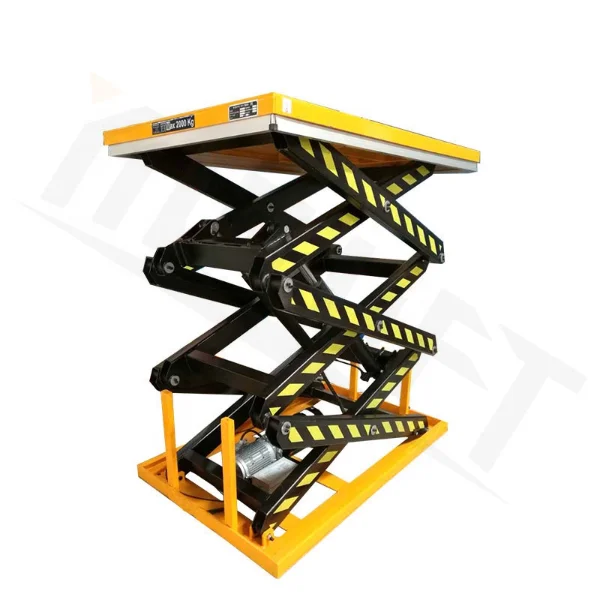
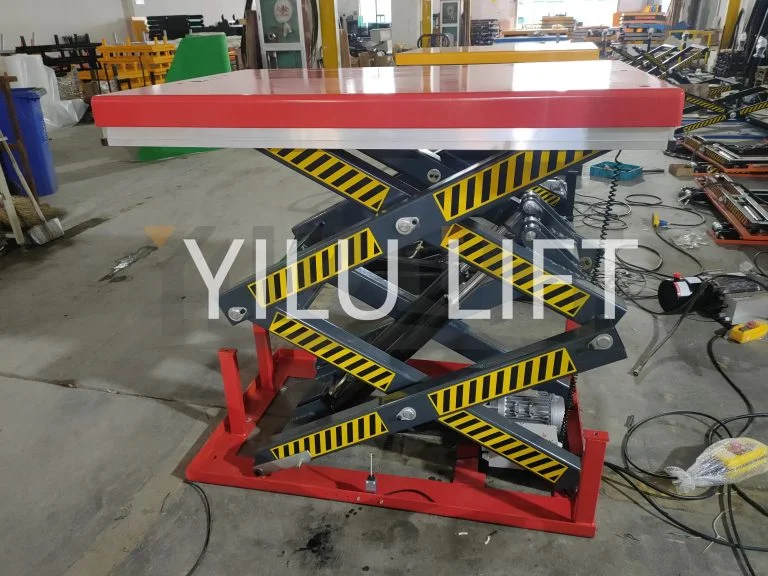
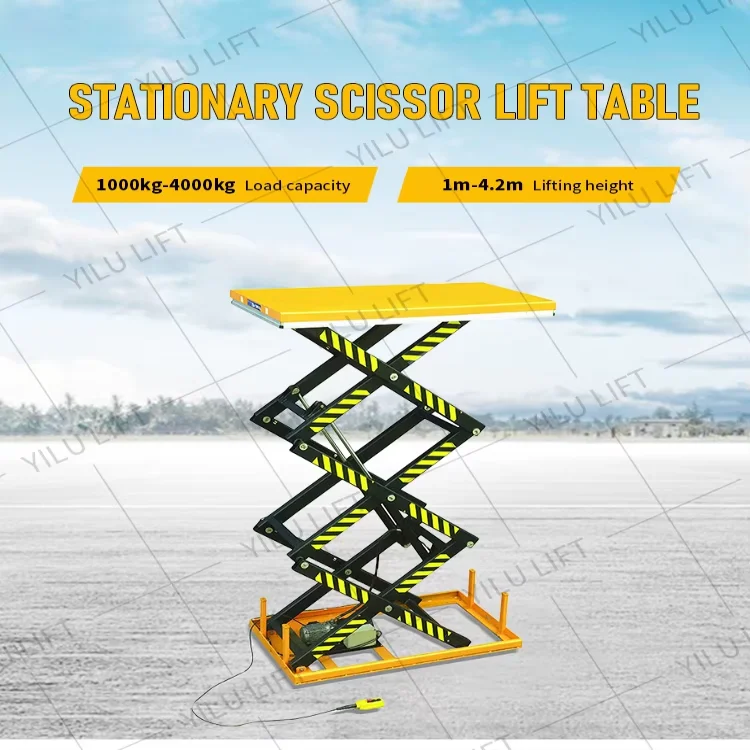
A hydraulic lift table has a level top held up by joined scissor arms powered by single or various hydraulic cylinders. Lifting begins as fluid under pressure forces the cylinders to expand. This action spreads the arms and raises the top. According to workshop requirements, these tables operate on electricity, by hand via a pump lever, or with air compression in certain areas.
Key specifications include:
- Platform size:Typically customized to match pallet or component dimensions.
- Vertical travel:From a few inches up to several meters.
- Load capacity:Commonly 2,000–10,000 lbs for manufacturing applications.
- Cycle rating:High-duty models support continuous use in 24/7 operations.
Fixed lifting platform is a cargo lifting equipment with good lifting stability and wide application range. It is mainly used for cargo transportation between the height differences of production lines; material loading and unloading; adjusting the height of workpieces during assembly; feeding materials from high-altitude feeders; lifting components during assembly of large equipment; loading and unloading of large machine tools; and fast loading and unloading of goods in storage and loading and unloading places with forklifts and other handling vehicles.
These platforms work as useful helpers for worker comfort. They lessen the burden of manual hoisting. Besides, they boost workflow in building areas, review posts, and machine supply points.
Why Operational Best Practices Matter in Manufacturing Environments
In quick-moving plant spaces, poor handling can start accidents or failures. Common threats involve crush zones near scissor arms, overloads in rapid runs, uneven loads that cause tipping, or fluid escapes bringing quick drops. Following hydraulic lift tables best practices lowers these dangers a lot.
Meeting ANSI MH29.1 rules and OSHA safety codes keeps everything lawful. It further leads to financial benefits in the long term. Facilities that implement robust training programs experience reduced physical complaints from staff. They also record noticeable improvements in equipment availability.
Pre-Operation Safety Checks for Hydraulic Lift Tables
Steady checks right at the start of every shift stay vital for sure safety and work. A basic list handles:
|
Inspection Item |
Description |
|
Load Capacity Verification |
Confirm planned load does not exceed rated chart values |
|
Hydraulic System |
Check hoses and cylinders for leaks or wear |
|
Platform Levelness |
Ensure table sits evenly on floor before operation |
|
Emergency Systems |
Test emergency stop button and velocity fuses |
|
Structural Integrity |
Inspect pins, rollers, welds, skirting for damage |
Turn attention to checking hydraulic lifts, especially the outer look and working parts. Main points to look at are: ① if the cables remain whole; ② if all switches work right; ③ see if bolts at joint spots on the lift arms are tight; ④ look for oil drips in the hydraulic lines.
Noting down these checks every day helps get ready for audits in ISO-backed care plans.
Essential Operational Best Practices for Hydraulic Lift Tables
Safe running needs ongoing watchfulness, even under tight timelines:
- Always center loads evenly across the platform.
- Maintain controlled ascent/descent speeds—avoid abrupt stops.
- Keep limbs clear of moving parts.
- Engage mechanical locks or props before maintenance.
- Avoid side-loading or using tables as transport devices.
If tied to automatic belt lines or pallet shifters, careful syncing stops sudden pulls on cylinders. In common setups like auto parts flows, close sticking to operating hydraulic lift tables manufacturing hints cuts downtime from early gasket wear.
Key Features Enhancing Safety and Efficiency in YILU LIFT Hydraulic Lift Tables
YILU LIFT adds smart built-in parts that back up hydraulic scissor lift table safety manufacturing standards right away:
- Overload protection systems prevent operation beyond rated limits.
- Hydraulic velocity fuses automatically stop descent if hose rupture occurs.
- Low-voltage control circuits minimize electrical hazards.
- Heavy-duty scissor arms use high-cycle bearings for extended service life.
- Optional safety skirts or toe guards protect against pinch injuries.
Four major safety systems Anti-overload safety protection device protects the equipment from exceeding the rated load. Hydraulic oil pipe protection valve prevents equipment from losing control when the oil pipe leaks accidentally. Emergency descending device: in case of sudden power failure, opening the emergency descending device can lower the equipment to a safe height.
These pieces work together to shorten fix sessions. They also cope with all-day shifts that factories expect now.
Best Applications of Hydraulic Lift Tables in Manufacturing
Hydraulic lift tables excel in places that need spot-on placement or simple handling:
- Machine feeding/off-loading:Aligning heavy dies or molds at optimal height.
- Assembly-line work positioning:Adjusting chassis heights for technicians during vehicle assembly.
- Pallet transfer/stacking:Streamlining warehouse-to-line logistics.
- Inspection stations:Providing adjustable working surfaces for quality teams.
For instance, a packaging plant using YILU LIFT tables at boxing stations cut worker fatigue claims by 18 percent after six months, drawing from case studies in comparable operations. Such small ease gains add up reliably in actual workshop settings.
Maintenance, Training, and Regulatory Compliance
Regular upkeep makes sure hydraulic parts keep working dependably:
- Daily visual inspections for leaks or deformation
- Monthly fluid level checks
- Annual professional inspection including pressure testing
Each contact part should be polished with hydraulic oil in time to extend the service life of each part. The hydraulic oil should be replaced once a year. If there are conditions for lifting platform parts, use 32# hydraulic oil in winter and 46# hydraulic oil in summer.
Worker training must cover control fundamentals and urgent actions, like hand-lowering during blackouts. Keeping full records of upkeep satisfies OSHA filing rules. It also aids in planning part changes before trouble hits.
Conclusion
Putting in place structured hydraulic lift tables best practices transforms goods shifting for the better in factory areas. Thorough training with strong builds cuts down harm odds. It stretches tool lifespan too. Firms looking for dependable answers in hard spots find YILU LIFT’s range gives lasting toughness. On top of that, it has built-in safety suited to real factory needs.
For inquiries or further technical details regarding specialized lifting solutions, a direct consultation with the YILU LIFT team provides tailored support for specific industrial requirements.
FAQs
Q1: What are the key pre-operation checks required before using a hydraulic lift table in a manufacturing setting?
A: Operators should verify rated capacity compliance, inspect hoses for leaks, confirm platform stability, test emergency stops and velocity fuses, and check structural joints for wear before starting any shift.
Q2: How do overload protection and velocity fuses contribute to hydraulic scissor lift table safety manufacturing?
A: Overload protection prevents excessive stress on mechanical components while velocity fuses instantly lock fluid flow if a hose bursts—both critical safeguards against sudden collapses during operation.
Q3: What factors should plant managers evaluate when selecting hydraulic lift tables for high-cycle production lines?
A: They should assess cycle frequency ratings, cylinder durability, ease of integration with conveyors or robotics, available safety options like toe guards or skirts, and manufacturer support services such as YILU LIFT’s customization programs.
Q4: What are the primary differences in operational considerations between hydraulic lift tables and other material-handling equipment in manufacturing?
A: Unlike forklifts or cranes that move loads horizontally or vertically over long distances, lift tables focus on precise vertical positioning within confined work areas—ideal for repetitive assembly tasks requiring stable elevation control.
Q5: How frequently should hydraulic lift tables undergo inspection and maintenance to maintain compliance and performance standards?
A: Visual inspections should occur daily before use; fluid analysis every few months; full professional servicing annually to meet ANSI MH29.1 compliance guidelines while maintaining consistent performance over years of operation.
-

Complete Maintenance Checklist
2026-04-23 -
Rough Terrain Scissor Lifts
2026-04-23 -
-