
Scissor Lift vs Boom Lift: Choosing the Right One
Scissor Lift vs Boom Lift: Choosing the Right One
Introduction
Aerial working platforms play a vital role in today’s infrastructure, manufacturing, and facility upkeep. For tasks like fitting lights in a warehouse or checking bridge parts, companies depend on these devices to access tough spots at height without risks and with good speed. Still, a common question comes up: when should a company choose a scissor lift vs boom lift?
This choice goes beyond just height. It concerns how the gear works in the actual space. Scissor lifts offer steady upward lift. Boom lifts bring versatile movement in several directions. As a worldwide supplier of carefully built lifting tools, YILU LIFT emphasizes that choosing the right aerial platform is a strategic investment that directly affects job site safety and productivity. By examining the technical trade-offs between these two systems, enterprises can make informed decisions aligned with operational goals.
Scissor Lifts: The Power of Verticality and Capacity
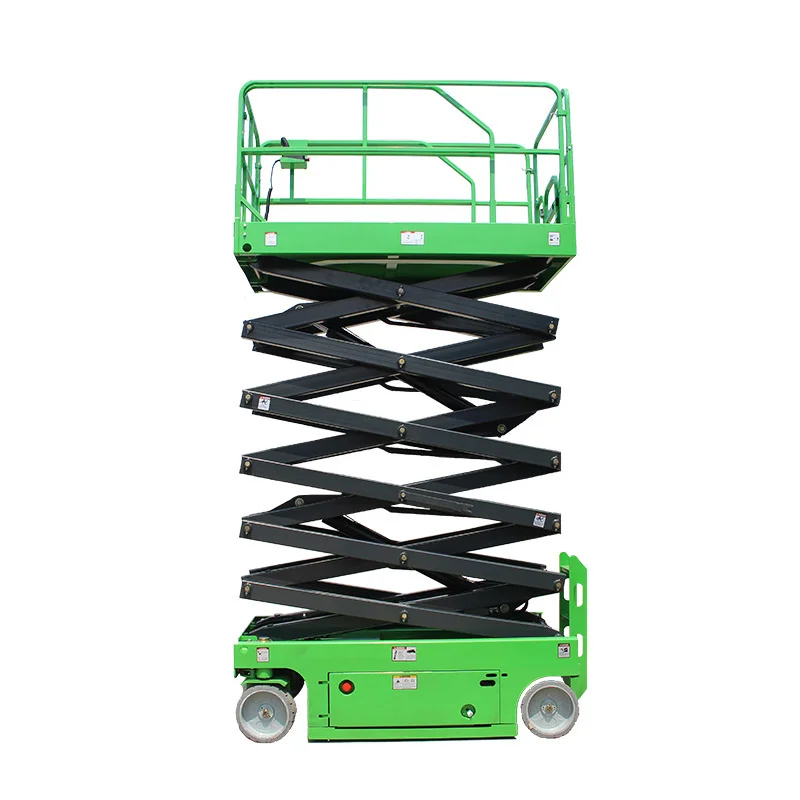
Mechanical Design
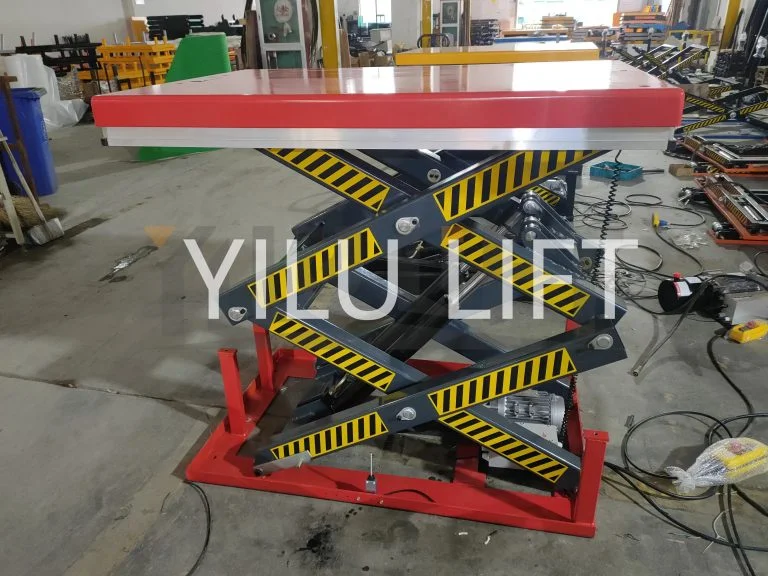
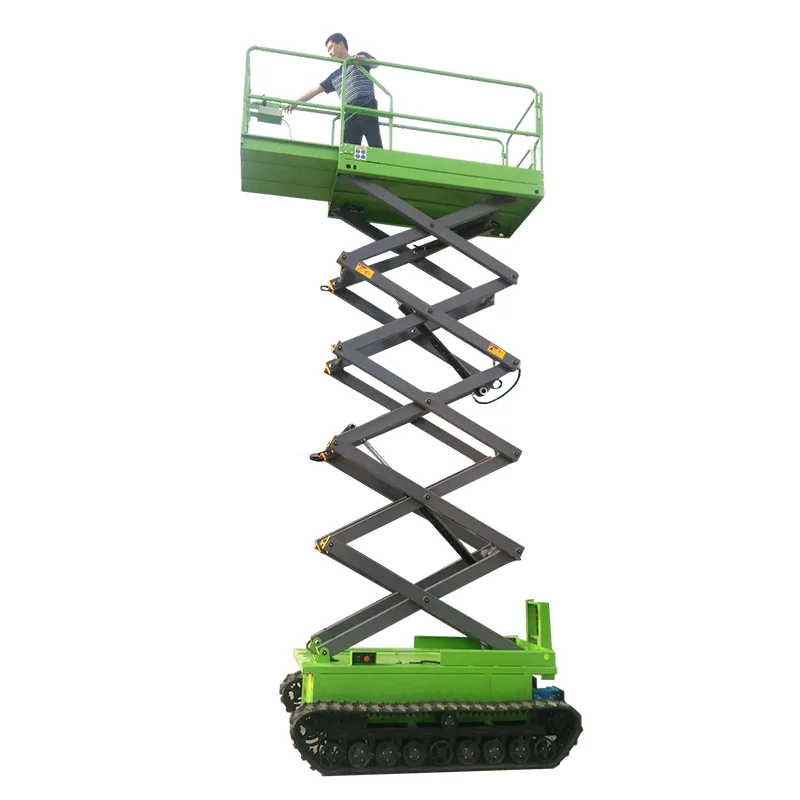
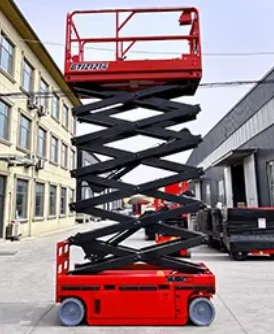
Scissor lifts feature a crisscross frame that stretches straight up to lift the platform. The frame uses tough manganese steel in rectangular tubes. It also includes a backup drop system for power failures. This setup keeps things very steady. The weight spreads out evenly across several support points.
Key Strengths
Scissor lifts stand out for their wide work areas and strong load limits. These often go from 230kg to 450kg. That lets several workers handle jobs together. The scissor lift platform shows a tight build, big carrying power, solid travel ability, and smooth handling. Because of this, it fits well in current logistics, plane loading, factories, and upkeep of big machines.
Some other clear benefits stand out:
- Spacious deck area for gear and supplies
- Even hydraulic rise action
- Choices for electric or diesel power to suit various settings
- Folding safety rails for simple passage through entrances
Ideal Use Cases
Scissor lifts shine in spots needing straight-up reach without side extension. Think of stock checks in storage areas, roof fixes in retail spots, or line work with parts in plants. This gear works in places like airport lounges, plane fixes, train stops, ports, stores, sports venues, lodgings, homes, plants, and mines.
Boom Lifts: Engineering for Reach and Flexibility
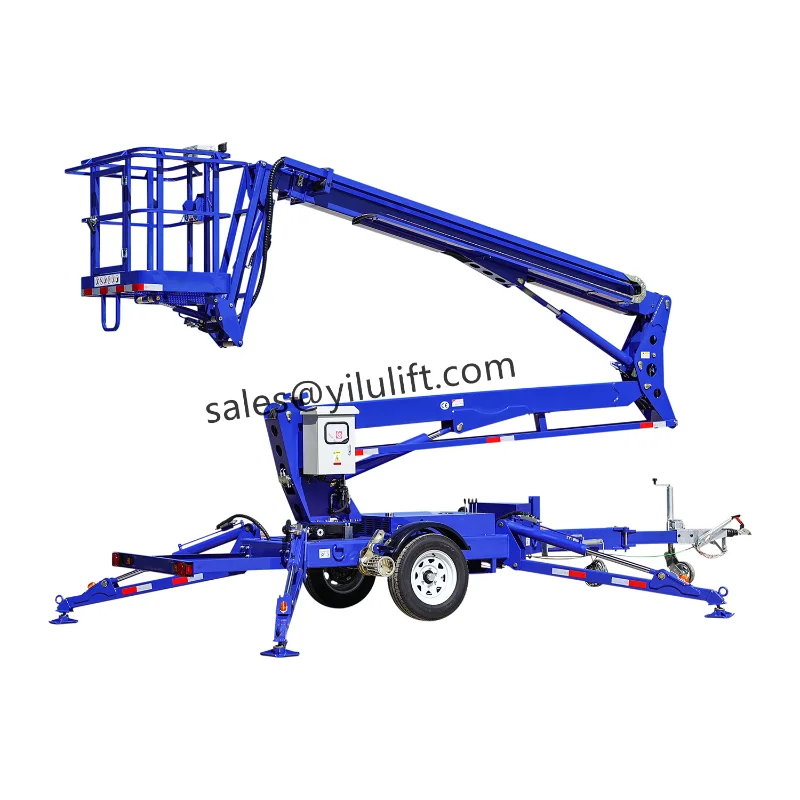
Telescopic vs Articulating
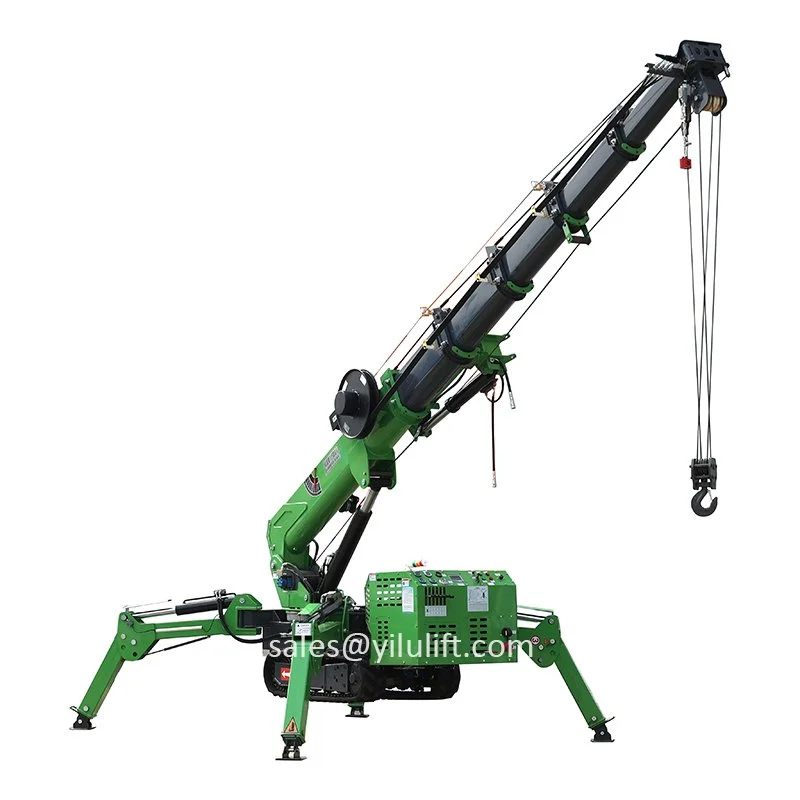
Scissor lifts go only up and down in a straight line. Boom lifts push out sideways too, along with upward. Two main kinds exist: telescopic ones with straight arms for the farthest side reach, and articulating boom lifts, called Z-booms, that flex at several spots to get around barriers. The bending style suits tricky areas, such as factory floors or build sites with tight spaces.
Operational Versatility
Boom lifts handle tasks that need both height and side motion. Examples include going over equipment or touching outer walls on high structures. Power comes from electric sources, with choices for diesel, gasoline, battery, or mixed setups. The basket levels itself and has a guard against squeezes. Automatic hydraulic legs spread out for support. A twist shaft adds strong bump absorption. These parts allow easy use on rough ground or in open air, even with changing conditions.
Ideal Use Cases
Typical jobs cover bridge checks, power line fixes at great heights, or setup tasks on busy build sites. Here, the ability to shift around counts more than the deck’s width.
Technical Comparison: Five Decisive Factors
|
Criteria |
Scissor Lift |
Boom Lift |
|
Movement Range |
Strictly vertical |
3D reach (vertical + horizontal) |
|
Platform Size |
Large deck for multiple workers |
Compact bucket for one or two operators |
|
Weight Capacity |
Up to 4 tons |
Typically lower load rating |
|
Maneuverability |
Compact footprint; ideal indoors |
Greater range but larger turning radius |
|
Power Sources |
Electric/hydraulic; low noise |
Diesel/electric/hybrid options |
Both types now include electric scissor lifts and mixed power versions. These help meet sustainability targets. At the same time, they keep up strong work levels.
Financial and Safety Considerations for B2B Buyers
Selecting an aerial lift isn’t just an operational choice—it’s also a financial one. Firms need to look at the full ownership cost, or TCO. This covers buy price, fix-up schedules, worker training, and lost time from breaks. Scissor lifts generally have lower maintenance expenses because of their simpler mechanical structure compared to the multi-jointed booms.
On the rules side, YILU LIFT builds all platforms to match global norms. These include ANSI/ASME in America and EN1570 in Europe. Up to American standard ANSI/ASME and Europe standard EN1570. This setup ensures fit with safety rules around the world.
Safety forms the core of YILU LIFT’s build approach. Four main safety setups stand out. An anti-overload guard stops the gear from going past its safe weight. A hydraulic oil pipe shield valve keeps control if a line bursts by mistake. An emergency drop tool helps in crises. Safety locks work for doors and windows. These extra layers cut down dangers during use. They matter most at height in shifting weather.
Conclusion: Matching Machine to Mission
In the end, no single aerial lift fits every task. The right one depends on the job’s details. A hydraulic scissor lift gives top steadiness for tough indoor lifts with heavy loads but little side movement. On the other hand, an articulating boom lift offers better bend and shift for reaching past blocks or into narrow spots outside.
YILU LIFT keeps pushing new aerial platforms based on real job needs. These range from small electric scissor lifts for storage spots to sturdy rough-ground boom lifts for build areas. Each unit blends exact hydraulic systems and easy controls. The goal is to boost worker trust while holding firm safety limits.
Firms wanting custom advice can reach out to YILU LIFT’s tech team. They provide an aerial lift pick guide made for specific project sizes.
FAQs
Q1: Can a scissor lift move horizontally while elevated?
A: Yes. Most self-propelled models allow slow-speed driving when raised; however, their platform only travels vertically rather than extending outward.
Q2: Which type of lift performs better in windy outdoor settings?
A: Scissor lifts tend to offer more stability due to their lower center of gravity. That said, rough-terrain boom lifts feature outriggers engineered specifically for uneven ground conditions.
Q3: How do maintenance costs compare between scissor lifts and boom lifts?
A: Scissor lifts usually require less upkeep because they have fewer hydraulic pivot points than boom systems with multiple articulations.
Q4: Is an articulating boom lift more suitable indoors than a telescopic model?
A: Yes. Articulating booms provide “up-and-over” motion that helps operators reach behind obstacles like ductwork or machinery where straight-line access isn’t possible.
Q5: Does YILU LIFT offer training programs for these machines?
A: Absolutely. YILU LIFT emphasizes certified operator training tailored separately for scissor lift safety procedures and boom-lift operation since each system behaves differently under load dynamics.
-

-
-
Rough Terrain Scissor Lifts
2026-04-23 -
Complete Maintenance Checklist
2026-04-23