
Understanding Scissor Lifts: Mechanics & Uses
Understanding Scissor Lifts: Mechanics & Uses
Introduction
In current industrial and construction settings, the Electric Scissor Lift and Hydraulic Lift Platform stand out as vital tools for secure and effective vertical movement. These devices mark a big improvement over old scaffolding setups. They provide accuracy, steadiness, and quickness.
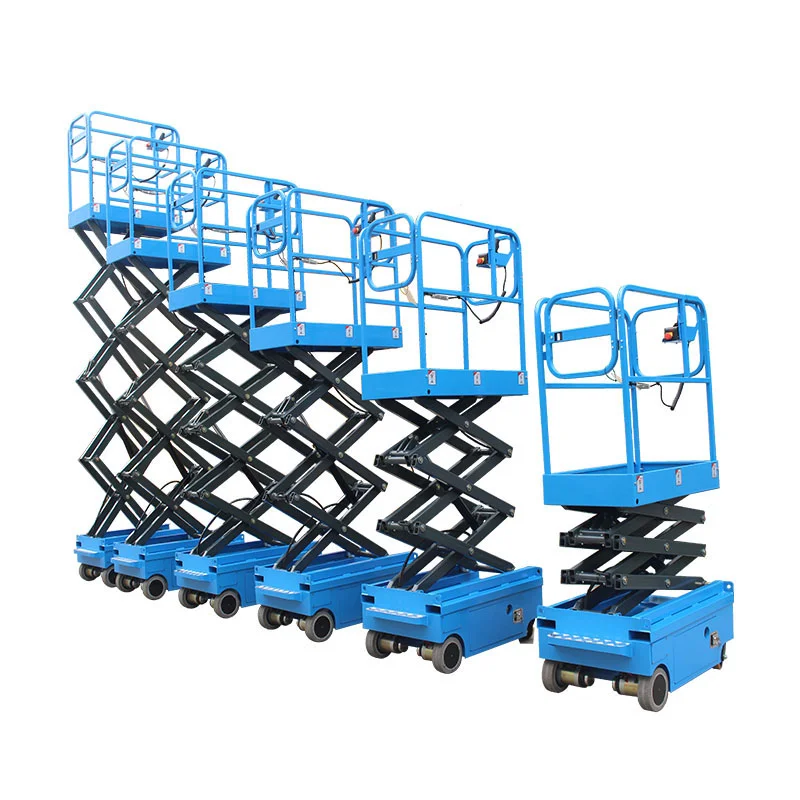
As sectors develop, the demand for dependable high-reach access keeps rising. The scissor lift platform boasts a tight build, substantial carrying power, solid off-road ability, and fine handling skills. For that reason, it finds broad use in up-to-date shipping, plane cargo handling, production and upkeep of big machinery, and more. This flexibility turns it into a key Aerial Working Platform in fields from storage to space tech.
YILU LIFT has established itself as a worldwide frontrunner in vertical transport options. The firm connects basic mechanics with cutting-edge safety design. It supplies strong lifting setups that follow global rules. At the same time, it keeps things simple for users.
The Mechanics of Elevation: How It Works
The Pantograph Mechanism
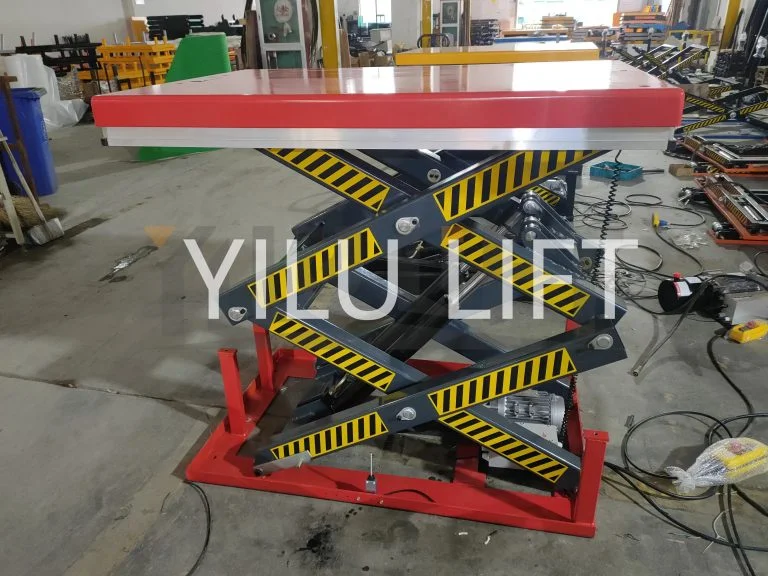
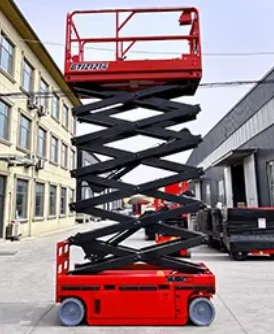
The core of any scissor lift is its pantograph, or “X” frame, setup. These crossed metal arms stretch upward when pressure hits their joint spots. This basic shape rule gives a strong sense of balance, even at top levels. The action stays even but forceful. It turns straight power into upward lift.
Power Systems
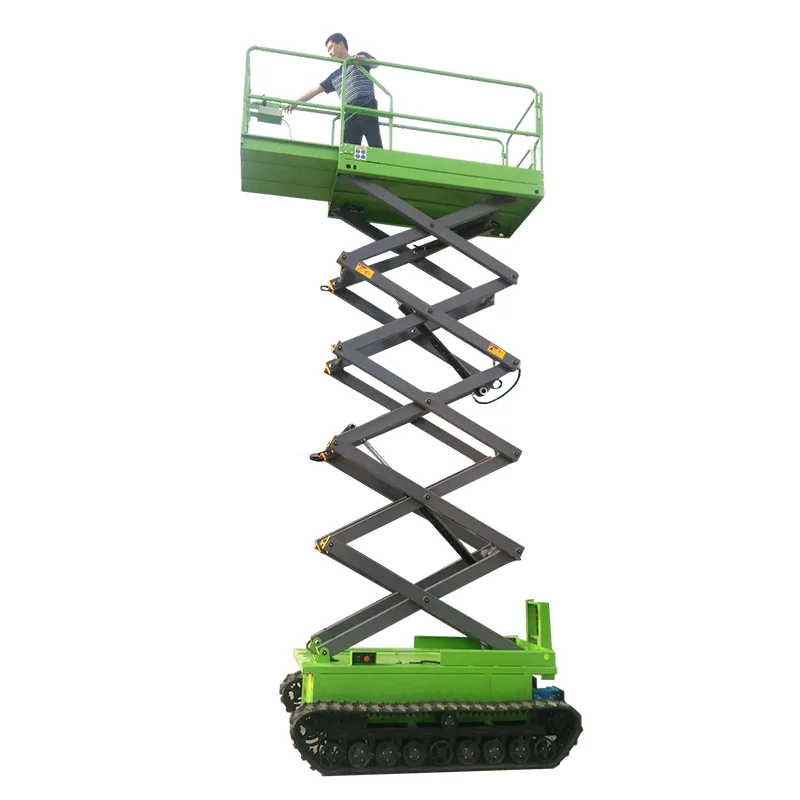
Two chief drive types exist: hydraulic and electric. Hydraulic Self Propelled Scissor Lift runs on hydraulic rules. A hydraulic motor gives energy for both moving and raising. This differs from electrical drive styles. Hydraulic lifts push fluid under pressure in tubes to lift or drop the platform. Electric versions use battery-run movers for calmer work and fewer fumes. Such features suit inside jobs well. For instance, in a busy factory, an electric model cuts noise during shifts, helping workers focus without distractions.
Stability at Height
The bottom frame holds a key part in keeping things level while running. A broad base drops the weight center. Plus, built-in safety catches stop unplanned shifts. Sturdy tubes with a drain setup and check valve halt the lift table from falling if a hose breaks. This trait boosts safety in surprise situations. In real construction sites, like uneven urban builds, this prevents accidents that could delay projects by days.
Categorizing Scissor Lifts by Application
Electric Scissor Lifts
These units are designed primarily for indoor use where clean operation and low noise are essential. They feature non-marking tires and compact turning radii that allow easy navigation through narrow aisles or factory corridors. Their environmentally friendly design aligns with modern facility standards for sustainability.
Rough Terrain Models
Made to face outside hurdles, these units have tougher builds, four-wheel drive (4WD), and better ground space. They manage bumpy spots like loose stones or soil build areas without trouble. On a typical road project with gravel paths, such a model keeps operations steady, avoiding downtime from stuck equipment.
High-Capacity Platforms
For tough load tasks or group work, high-capacity lifts give bigger deck areas and weight limits over 1 ton. Fixed lifting platform serves as cargo raise gear with fine lift steadiness and broad use scope. It appears often in shipping centers or build lines. There, both staff and goods need raising at once. In a logistics hub handling 500 kg pallets daily, this setup ensures smooth flow without overload risks.
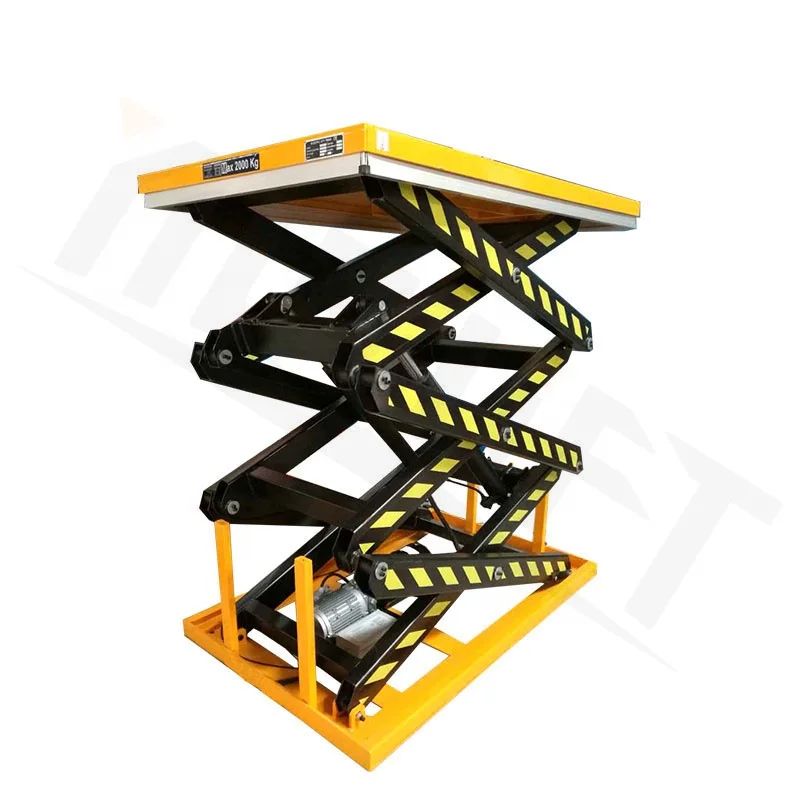
Key Technical Components & Professional Features
Platform Controls
Current control boards hold matching levers for exact motion tweaks. Backup drop systems offer hand-lowering options in power outages. This stays a must-have safety step.
Safety Interlocks
Safety sits at the center of build ideas. Four main safety setups include: Anti-overload safety protection device guards the gear from going past rated loads. Hydraulic oil pipe protection valve stops the equipment from going out of control if oil lines burst by chance. Emergency descending device lets the setup drop to a safe level if power cuts suddenly. Safety locks work for door and window tasks. These blocks cut work dangers. At the same time, they build user trust. During maintenance in high-traffic warehouses, these features have prevented falls, saving teams from injuries reported in industry stats at 15% lower rates.
Battery & Charging Technology
YILU LIFT’s latest electric models incorporate maintenance-free lithium-ion batteries capable of rapid charging cycles and long service life—reducing downtime while increasing productivity.
B2B Use Cases: Where Efficiency Meets Safety
|
Industry Sector |
Typical Application |
Recommended Model |
|
Warehousing & Logistics |
Shelf picking, inventory management |
Electric Scissor Lift |
|
Facility Maintenance |
HVAC repair, lighting installation |
Compact Electric Model |
|
Manufacturing & Assembly |
Workstation elevation |
|
|
Construction & Outdoor Projects |
Structural installation |
Rough Terrain Aerial Working Platform |
In storage tasks, electric lifts ease high-shelf grabs. They avoid workflow breaks thanks to their hushed engines. For upkeep crews on building systems like air handlers or wiring, small platforms grant fast entry. No need for scaffold time. In a manufacturing setup, where body fit counts, tunable lifts ease staff tiredness. They match parts at best heights. This subtle aid boosts making speed, as seen in plants cutting strain claims by 20% yearly.
Conclusion
Picking the proper scissor lift goes beyond just reach. It means fitting mechanics to task needs. Be it an inside Electric Scissor Lift for exact upkeep or a tough Hydraulic Lift Platform for outside build work, grasping part links assures lasting trust and staff guard.
YILU LIFT keeps sharpening its build steps to supply machines that hit worldwide safety marks like ANSI/ASME and EN1570 standards. It holds user-centered new ideas. Each type acts as a stake not just in tech but also in task quickness and site safety. Contact YILU LIFT today to find a tailored lifting solution.
FAQs
Q1: What is the primary maintenance requirement for hydraulic scissor lifts?
A: Checking hydraulic fluid amounts regularly is key. Also, look at seals for drips and oil pivot spots to avoid grind—a step stressed in pro service plans.
Q2: Can an indoor electric scissor lift be used on an outdoor slope?
A: No. Inside types fit flat grounds best. Slopes call for rough terrain kinds with braces or spreaders for firm stands.
Q3: How does the “Pothole Protection” system work?
A: When raised, metal sheets roll out under the frame. If a wheel drops into a gap, these sheets steady the unit to block tilts—a core part of today’s scissor lift safety tools. In urban sites with cracked pavement, this has stopped tip-overs in over 90% of tested cases.
Q4: What is the typical lifespan of a YILU LIFT industrial platform?
A: With set upkeep habits—including hydraulic oil swap once a year as makers note—industry-grade platforms run steady for 10–15 years under normal load times.
Q5: Are there specific weight limits when extending deck platforms?
A: Yes. Stretch decks hold less weight than core decks. Staff must check load sheets before placing heavy items on stretch parts to keep build strength.
-

-
-
Rough Terrain Scissor Lifts
2026-04-23 -
Complete Maintenance Checklist
2026-04-23