
Electric Scissor Lift Fleet Maintenance: 2026 TCO, Battery & Safety Guide
Electric Scissor Lift Fleet Maintenance: 2026 TCO, Battery & Safety Guide
Electric scissor lifts have become common now—warehouses, factories, shopping centers, airports, and indoor construction sites. Their low-noise, zero-emission operation suits warehouses, factories, and indoor repair tasks. Yet when fleet numbers increase, the main issue goes beyond picking suitable models. It centers on keeping each machine in steady use.
During 2026 fleet managers pay closer attention to battery condition, regular inspection steps, and overall ownership expenses. Bad charging routines or missed checks may turn a steady lift into a downtime risk. Across a large fleet, even minor maintenance gaps can multiply into serious cost issues.
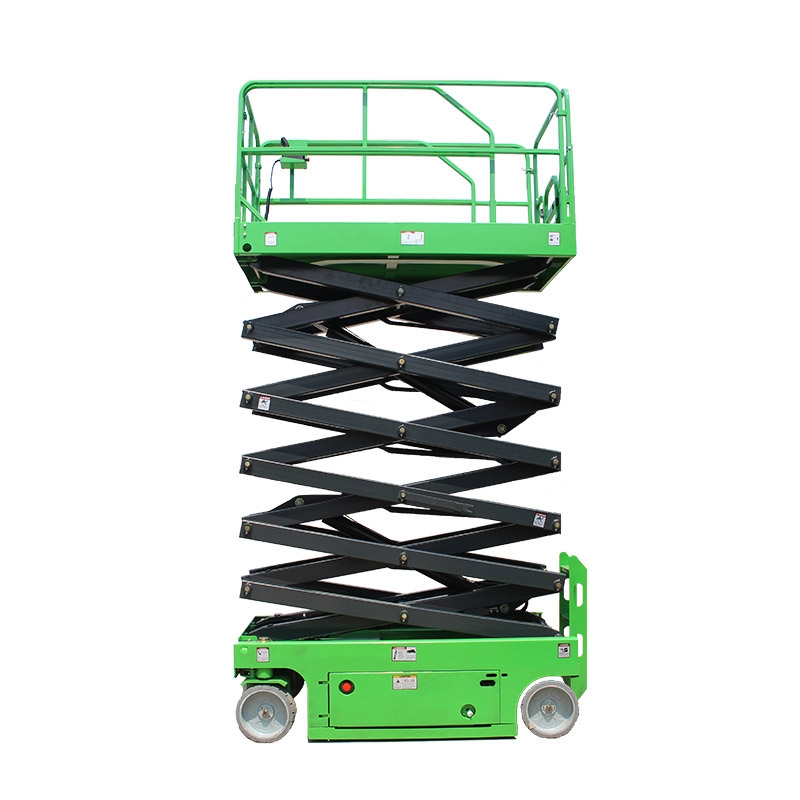
YILU LIFT electric scissor lift products are built for practical access work, with DC power, self-propelled movement, adjustable driving speed, hydraulic lifting, emergency descent, charging protection, and safety-related systems. For B2B users, these features work best when paired with a simple, repeatable maintenance plan.
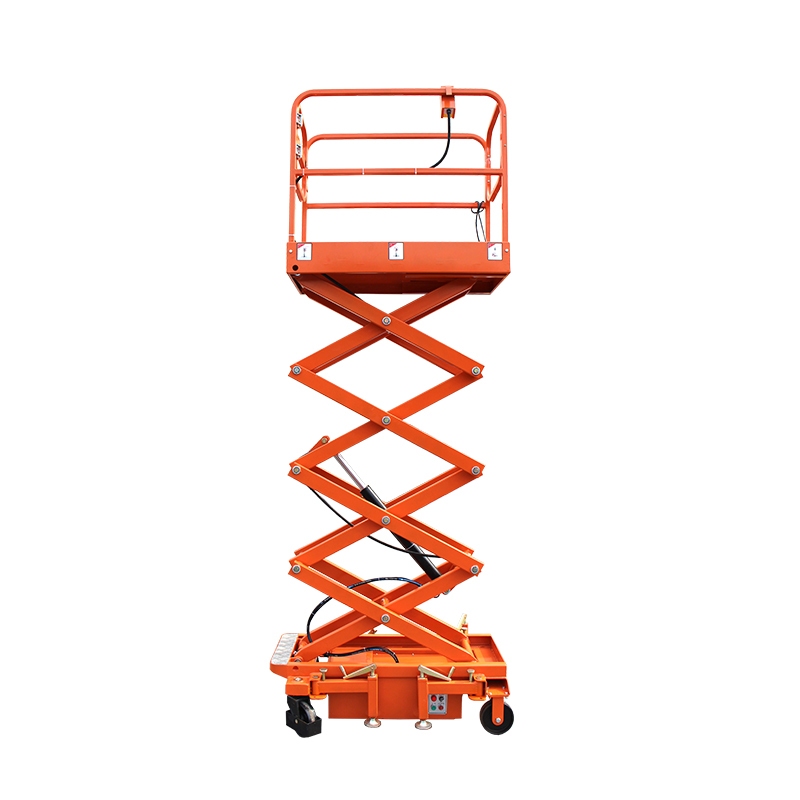
Why Electric Scissor Lift Maintenance Matters More in 2026
Electric scissor lifts now act as steady work tools that handle repeated daily runs. Rental groups, contractors, and distribution centers count on them for continuous output.
B2B Fleets Need More Than Basic Repairs
Looking after one scissor lift differs from handling many units spread over several locations. Fleet care must include how operators handle the machines, when charging takes place, plans for spare parts, and future sale value. Regular upkeep done ahead of trouble helps prevent sudden stops that break work flow.
TCO Is Becoming a Key Buying Factor
The listed price of an electric scissor lift does not cover every expense. Total cost of ownership covers purchase price plus ongoing items such as new batteries, hydraulic service, tire replacement, moving costs, and lost work time. A lower-priced model can end up more expensive when it needs frequent fixes or loses operating hours during busy periods.
Daily Pre-Start Checks for Electric Scissor Lift Fleets
Regular checks form the first step against safety problems and early wear. To keep fleet standards the same, these checks follow one set list for every machine.
Visual Inspection Before Operation
Operators check for fluid leaks, weld cracks, loose bolts, bent rails, or damaged gates before starting. Platform extensions and emergency stops need extra focus. These small points often show early mechanical strain.
Battery and Charger Check
Battery output controls daily running time. Before each shift operators confirm charge level and cable condition. They also look for corrosion or fluid leaks. They test that the charger works. Written records of charge cycles help spot weak batteries before they stop work.
Function Test and Ground Condition
A short function check in a clear area confirms steering, brakes, lift and lower actions, warning sounds, and emergency lowering all work. Ground surface also needs review. Uneven or soft floors can reduce stability when the platform rises.
Battery Maintenance: The Core of 2026 Electric Scissor Lift Uptime
Battery care stays central to electric scissor lift upkeep. Wrong charging methods can cut battery life by several years.
Avoid Poor Charging Habits
Operators should skip short partial charges and avoid leaving units with low power for long periods. They follow maker instructions for end-of-shift charging. For lead-acid batteries they keep water levels correct, clean terminals, and allow enough airflow. Missing these steps causes buildup inside cells and lowers capacity over time.
Track Battery Runtime Across the Fleet
One weak battery may look minor. Yet across twenty machines it means lost work hours each week. Runtime records help find units with shorter cycles or slower lift speeds. The data supports better shift planning and earlier battery swaps.
Consider Battery Type When Planning TCO
The choice between lead-acid and lithium-ion affects daily tasks and cost patterns.
|
Battery Type |
Maintenance Level |
Lifespan |
Upfront Cost |
Ideal Use |
|
Lead-Acid |
High (watering required) |
3–5 years |
Lower |
Light indoor duty |
|
Lithium-Ion |
Low (no watering) |
7–10 years |
Higher |
Multi-shift or rental fleets |
The final pick rests on how heavily the lifts run and what charging setup exists.
Hydraulic, Tire, and Safety System Maintenance
Batteries supply power while hydraulics hold the lifts steady. Overlooking either area leads to higher costs later.
Hydraulic System Checks
Hydraulic oil quality needs regular review to stop dirt from harming lift motion. Each part works at set pressure. Leaks or air in hoses produce uneven movement or sudden stops under load.
Tire and Wheel Maintenance
Indoor electric scissor lifts usually carry non-marking tires to protect floor surfaces. Staff check for splits or uneven wear that can reduce grip or steering accuracy in narrow spaces.
Safety Functions That Should Not Be Ignored
Emergency lowering controls, pothole guards, auto brakes, and self-locking platform gates all belong in planned checks. Four main safety items include the anti-overload device that stops the lift from carrying more than rated weight. These features protect operators and meet rules.
How Fleet Managers Can Reduce Electric Scissor Lift TCO
Lowering total ownership cost comes from better planning, not from skipping steps. Preventive actions lengthen machine life and keep resale value steady.
Build a Standard Maintenance Schedule
A clear plan covers daily visual checks and function tests, weekly cleaning and lubrication, monthly hydraulic and electrical reviews, and yearly service by trained staff. Digital records track completion across sites.
Train Operators to Protect Equipment
Operator errors often cause more harm than part failures. Training covers load limits, floor checks, safe indoor speeds, battery rules, and steps during power loss.
Use Maintenance Records for Better Fleet Decisions
Central records let managers compare units under the same conditions. When one site shows more repairs, they can review operator habits or site conditions instead of blaming the machine design.
Where YILU LIFT Fits Into B2B Electric Scissor Lift Maintenance
YILU LIFT builds electric scissor lifts for B2B settings such as warehouse logistics, facility care, factory checks, finishing work on construction sites, and rental work that needs compact size with steady power.
Product Features Related to Maintenance Planning
YILU LIFT self-propelled electric scissor lifts use DC drive systems with speed control for smooth indoor movement. Standard items include emergency lowering, automatic brakes, pothole protection, fault display, non-marking tires, and safety support rods. The extendable platform reaches the work area quickly. Maximum height ranges from 8 to 16 m. Foldable rails reduce transport size. Automatic fault codes simplify service. These points ease fleet care and give operators more confidence.
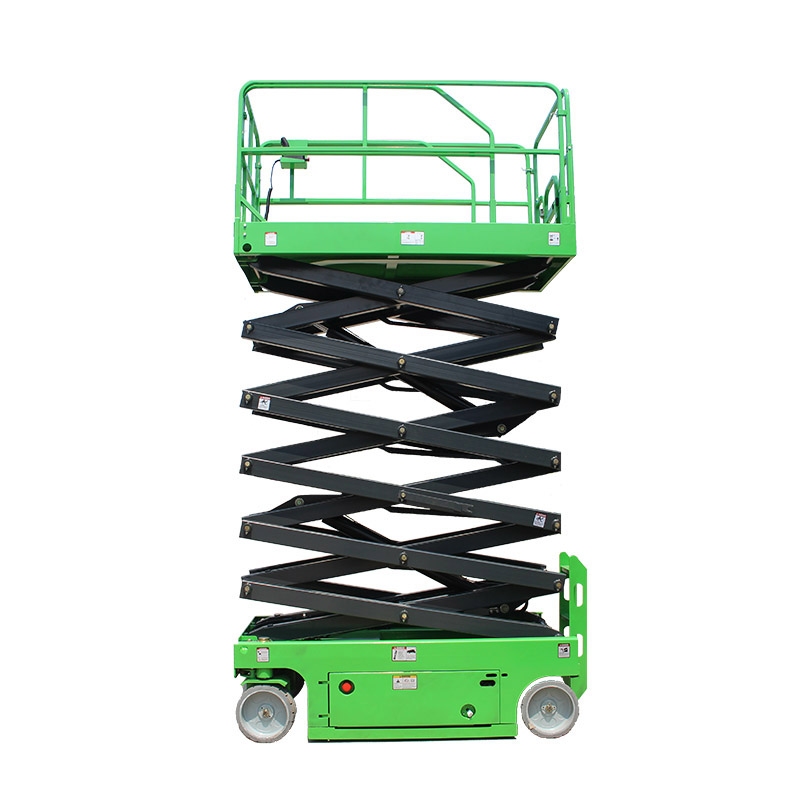
Choosing the Right Model for Fleet Longevity
Model choice should consider more than height. Load rating, floor type, turning space inside buildings, battery preference, access for transport, and local service support all shape long-term costs. Each model has its own limits on load, height, and platform size. Matching the model to the site cuts breakdowns and keeps running costs steady over several years.
Conclusion
Fleet electric scissor lift care in 2026 focuses on forward planning that protects running time. Daily inspections, better charging habits, battery tracking, hydraulic checks, tire care, and operator training all help reduce downtime and control TCO.
YILU LIFT provides electric scissor lift equipment for B2B users that need practical lifting height, stable load capacity, DC power, safety functions, and fleet-ready operation. For projects involving warehouses, factories, rental fleets, facility maintenance, or indoor construction, project teams can contact YILU LIFT to match working height, platform size, battery needs, and maintenance requirements with a suitable electric scissor lift model.
FAQs
Q1: How often should an electric scissor lift be inspected?
An electric scissor lift needs a check before every shift. Deeper monthly reviews based on hours of use and maker guidance keep safety standards in place.
Q2: What is the most important part of scissor lift maintenance?
Battery care stays critical. It sets daily runtime and shapes total ownership cost across years of service.
Q3: How can fleet managers reduce electric scissor lift TCO?
Managers lower total cost through planned service programs, clear records at each site, steady operator training, timely hydraulic work, and models matched to site conditions such as the YILU LIFT self-propelled range.
Q4: What battery issues commonly affect electric scissor lifts?
Common problems often involve corroded terminals due to inadequate cleaning, deep discharge from not charging them enough, and loose cables causing voltage drops. Plus, after long breaks, the run time is typically shorter.
Q5: Why is model selection important for fleet longevity?
Good model choice prevents overloads or wrong site conditions that speed up wear on hydraulics and tires. This keeps service life longer and running costs more predictable year after year.