
High-Quality Self-Propelled Aerial Work Platforms: Key Features for Export Markets
High-Quality Self-Propelled Aerial Work Platforms: Key Features for Export Markets
Introduction
The world market of aerial work platforms has recently been growing rapidly owing to the requirement for safe and effective access equipment in various areas such as construction, warehouses, facility management, logistics, and installations of industrial enterprises. Consumers in different countries are not only interested in the height of elevation or the cost anymore; safety of a machine, its stability, performance of an electrical drive, battery autonomy, and reliability of suppliers have become essential for consumers’ considerations.
YILU LIFT offers a range of self-propelled aerial work platforms designed for international B2B applications. The company focuses on export-ready documentation and quality control. This focus makes it a trusted partner for distributors and industrial users worldwide.
Why Export Buyers Prefer Self-Propelled Aerial Work Platforms
Higher Efficiency Compared with Manual Access Equipment
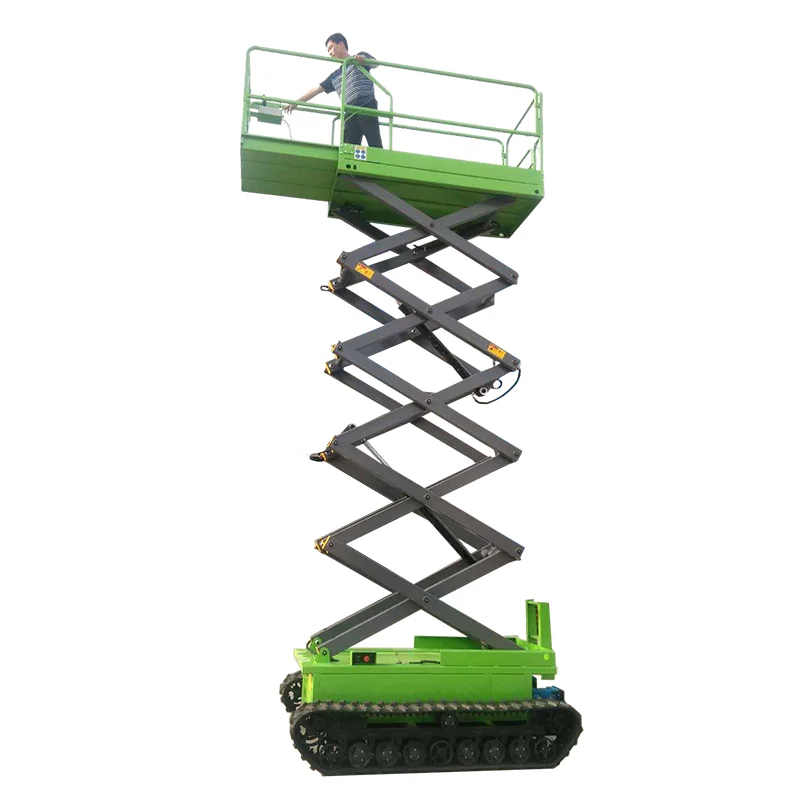
Self-propelled aerial work platforms allow operators to move and lift at the same time. They do not rely on external towing or repositioning. It increases efficiency in warehouses, ceiling installation, airport logistics, shopping complexes, and industrial construction projects. The Scissor Lift Platform is known for its compact design, high load capacity, excellent passability, and mobility.
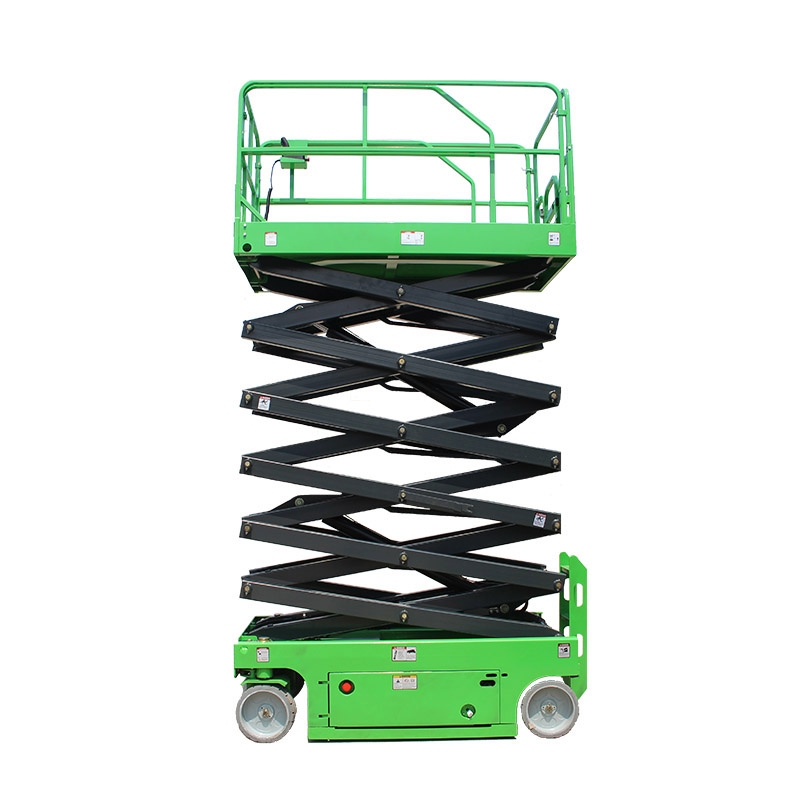
These traits lead to wide use in modern logistics, aviation loading and unloading, manufacturing, and maintenance of large equipment. Such mobility cuts downtime between tasks. Rental fleets value this when they seek better machine use rates.
Better Safety Than Ladders and Temporary Scaffolding
Ladders or makeshift scaffolds often create fall risks. Self-propelled lifts instead provide stable working decks with guardrails and controlled elevation systems. These features lower risk during operation. The emergency descending device allows the equipment to reach a safe height if power fails suddenly. These features suit both indoor maintenance and outdoor installation projects.
Strong Fit for Rental Fleets and Industrial Buyers
Rental companies prefer machines that last, need simple upkeep, and work across many job sites. Self-propelled scissor lifts meet these needs with compact designs and minimal turning radii. They operate well even in narrow aisles or crowded spaces.
Key Feature 1: Stable Structure and Reliable Load Capacity
Platform Height and Working Height Matching
Platform height measures the distance from the ground to the platform floor when fully raised. Working height adds the operator’s reach above that level. Buyers should check ceiling clearance and ground conditions before selecting models.
Rated Capacity and Extension Platform Capacity
Rated capacity shows how much weight the lift can carry safely, including workers plus tools. The pedal extension platform deploys quickly at the work site. Checking both main deck capacity and extension section ratings keeps operations within safety limits during heavy use.
Chassis Strength and Anti-Tipping Design
A long wheelbase paired with high-strength steel frames improves balance on uneven surfaces. The scissor structure uses high-strength manganese steel rectangular tube and includes a power outage emergency descending device. This solid base supports long service life. Export buyers see this as a key point for durability under varied site conditions.
Key Feature 2: Safety Systems for International Job Sites
Emergency Lowering and Hydraulic Protection
Hydraulic systems play a central role in safe lifting operations. The hydraulic oil pipe protection valve stops the equipment from losing control if an oil pipe leaks by accident. Overflow valves and explosion-proof valves work with it. Together they block sudden drops or hydraulic failures during use.
Guardrails, Braking and Operator Controls
Guardrails block accidental falls. Electro-hydraulic brakes keep machines stable when stationary. Control panels sit both on the platform and at ground level. Clear labels on the buttons make training easier for new operators.
Compliance-Oriented Design
There are different standards according to different markets like CE standard for European markets, ANSI for USA, and CSA for Canada. Import approval requires the buyer to ensure the certificates, user manuals, test reports, and technical data.
Key Feature 3: Electric Drive and Battery Performance
Low-Noise and Zero-Emission Indoor Operation
Electric self-propelled aerial work platforms lead in indoor settings. They run quietly and produce no exhaust gases. This fits malls or factories where ventilation stays limited. Hydraulic Self Propelled Scissor Lift relies on hydraulic principles. A hydraulic motor supplies power for both driving and lifting.
Battery Life and Charging Convenience
Battery runtime sets how long a shift can run efficiently. Buyers should confirm that charging times match daily schedules or multi-shift work. Compatibility with local voltage standards also matters for export.
Motor, Pump and Control System Quality
Smooth motion relies on well-built motors, pumps, and controllers. Lower-grade parts may cause uneven movement or leaks over time. This raises maintenance costs for fleets overseas.
Key Feature 4: Compact Size and Job-Site Flexibility
Narrow Aisles and Indoor Access
Compact width lets the unit pass through standard doorways or between warehouse racks. The foldable fence shrinks the overall machine size. The industry’s smallest turning radius and compact design ease work in tight spaces. Foldable guardrails further reduce transport height when moving between floors via elevators.
Extended Platform for Better Reach
Extension decks help workers reach overhead lighting fixtures or ductwork without moving the whole machine. This saves time during repetitive maintenance tasks.
Indoor and Outdoor Application Matching
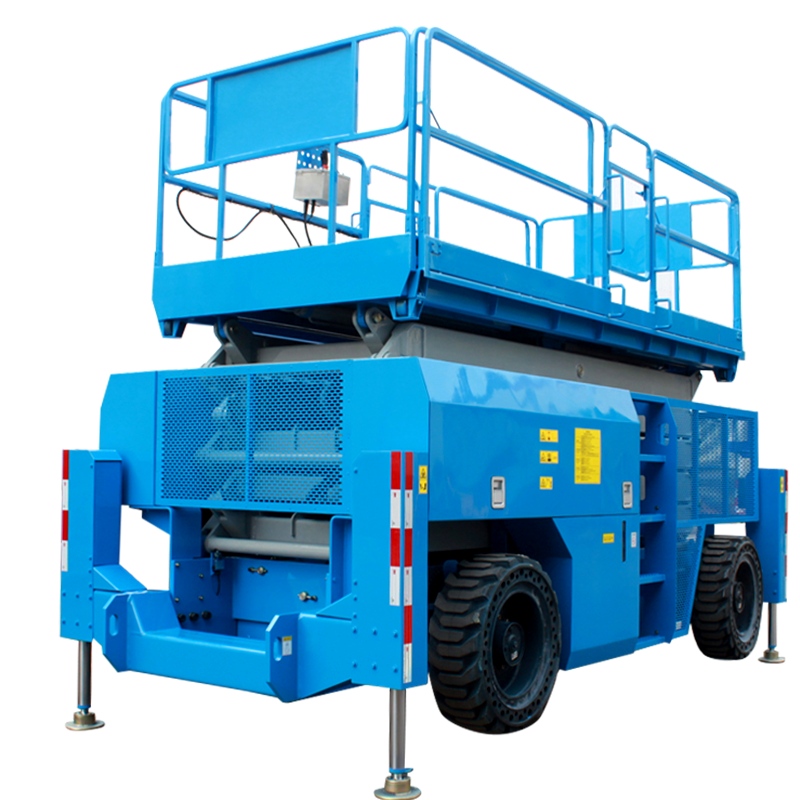
Slab-type models suit smooth indoor floors. Rough-terrain versions handle outdoor construction zones thanks to stronger tires, higher ground clearance, and reinforced chassis structures.
Key Feature 5: Export Documentation and Supplier Reliability
Technical Parameters Must Be Clear
Export buyers require clear specifications. These cover lifting height range, often 6–16 m, rated load capacity of 230–450 kg in typical cases, platform dimensions, overall size, turning radius, battery voltage options of 24 V or 48 V, drive speed, climb ability up to 25 percent, total weight, and compliance marks like CE or ISO9001.
|
Parameter |
Typical Value |
|
Max Working Height |
8–16 m |
|
Rated Load |
230–450 kg |
|
Climb Ability |
≤25% |
|
Power Source |
DC Battery |
|
Turning Radius |
Smallest in its class |
These details help importers compare models accurately before shipment confirmation.
Packaging, Shipping and Spare Parts Support
Proper packaging prevents corrosion or vibration damage during sea freight. Distributors also count on steady spare parts supply chains to keep rental fleet uptime high.
OEM and Customization Capability
Some importers request logo branding or localized manuals in their language. They should share the load capacity, platform size, lifting height, and other request details. YILU LIFT can then provide a suitable proposal. The company supports such customization along with voltage adjustments or optional accessories suited to regional standards.
How to Evaluate a High-Quality Self-Propelled Aerial Work Platform Before Purchase
Check the Application First
Define the use case first. It may involve indoor ceiling repair at 8 m height or outdoor signage installation at 12 m. Each case calls for specific tire types or stabilizing systems.
Compare Total Cost, Not Only Purchase Price
A lower-priced scissor lift can lead to more downtime from frequent repairs or missing spares abroad. Long-term value comes from reliability rather than the first price paid.
Ask for Product Videos, Test Data and Real Project Cases
Buyers should request testing videos that show full elevation cycles under load. They should also ask for existing export case studies that prove field reliability across markets like Southeast Asia or Europe.
Common Applications in Export Markets
Typical B2B use cases include warehouse lighting repair or rack maintenance, factory equipment inspection lines, construction finishing works like ceiling panel installation, shopping mall facility upkeep or airport terminal servicing, logistics center operations involving elevated picking zones, rental fleet supply chains serving multiple clients weekly, and industrial plant repair projects that need flexible elevation tools.
This equipment works in airport terminals, aircraft repairs, stations, docks, shopping malls, stadiums, hotels, residential properties, factories and mines.
Conclusion
High-quality self-propelled aerial work platforms combine stability with smart safety engineering. They raise productivity across job sites worldwide. For export markets where rules differ by region, success depends on structural integrity, rated load accuracy, electric drive performance, certification readiness, packaging quality, and supplier support above all.
YILU LIFT continues supplying reliable self-propelled scissor lifts for international buyers. These units serve construction projects, warehousing operations, or rental business expansion needs. Buyers looking for a suitable model can contact YILU LIFT to discuss working height, load requirements, customization needs and export support for their local market.
FAQ
Q1: What is a self-propelled aerial work platform?
It is a powered lifting machine. The machine moves under its own drive system while raising personnel safely for overhead tasks such as installation or inspection work.
Q2: What industries commonly use self-propelled aerial work platforms?
These platforms see wide use across construction sites, warehouses, airports, factories, logistics centers, and rental fleets that serve multiple industries at once.
Q3: What should export buyers check before purchasing a scissor lift?
Buyers should review working height needs against ceiling clearance limits along with rated capacity figures. They should also verify electrical compatibility. They must confirm safety certifications like CE or ANSI. They should check after-sales support availability, including spare parts logistics from suppliers such as YILU LIFT.
Q4: Are electric self-propelled lifts suitable for indoor projects?
Yes. They run quietly and produce no exhaust emissions. This makes them good choices for enclosed areas like shopping malls or assembly workshops where air quality matters most.
Q5: Why is supplier support important for export markets?
Reliable suppliers supply compliant documentation. They also provide spare parts access and technical guidance. Both prove vital for keeping uptime in overseas fleets over long service periods.