
YILU LIFT Vacuum Lifter Robot: Smarter High-Rise Glass Installation
YILU LIFT Vacuum Lifter Robot: Smarter High-Rise Glass Installation
Introduction
The construction industry is rapidly embracing automation. This shift stands out in high-rise projects that need exact work, strong safety, and fast progress. Glass panel installation ranks among the toughest jobs on site. It calls for accuracy to the millimeter and full safety at height.
YILU LIFT has emerged as a trusted name in this space, delivering advanced vacuum lifter robots that redefine how contractors handle heavy glass. For B2B clients such as building installers, developers, and general contractors, these robotic systems offer certified reliability, operational efficiency, and enhanced worker protection. As city buildings rise higher and schedules grow tighter, automated lifting solutions like YILU LIFT’s vacuum lifter robots are not just an innovation — they’re becoming an industry standard.
Challenges in High-Rise Glass Installation
Weight and Fragility of Glass Panels
Large architectural glass panels often weigh several hundred kilograms. They stay fragile at the same time. Manual lifting methods frequently cause small cracks or full breakage during placement. Crews once carried panels on their shoulders or used basic hand lifts. Some teams tried homemade rigs. Today the field moves toward custom machines that match each panel size. This change shows how old manual ways created extra work and real danger for staff handling big sheets. In earlier years manual work proved slow. It also failed to manage heavy oversized glass and brought high breakage rates along with safety risks.
Safety Concerns at Heights
Work dozens of floors above ground brings clear hazards. Objects can fall or workers can slip. Both cases lead to serious injury or worse. Current rules push for mechanical help that keeps people away from the most dangerous spots. The control system on these machines uses precise settings and anti-fall features. Such design cuts the chance of people or materials dropping. It creates a reliable safety barrier for crews. This approach matches today’s safety rules that favor machine handling over direct manual lifts at height.
Time and Efficiency Pressures
City building schedules leave little slack. Old methods that rely on ropes or cranes need several operators. They move slowly and invite errors. One wrong placement can push back curtain wall work by hours. The need for quicker results without loss of quality has made robotic vacuum lifters a regular part of current sites.
How YILU LIFT Vacuum Lifter Robots Address These Challenges
Automated Precision and Control
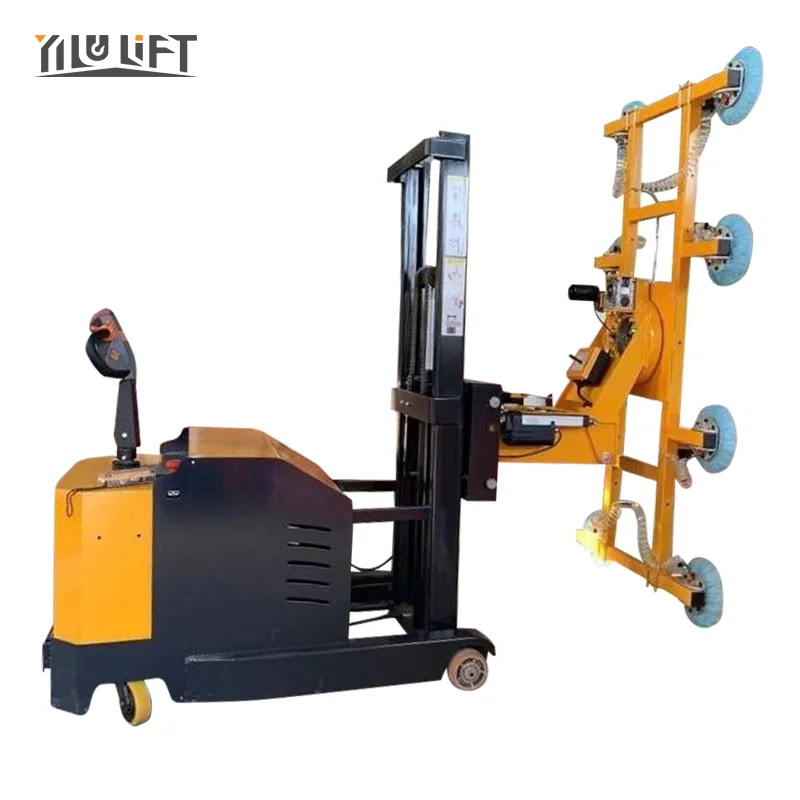
YILU LIFT vacuum lifter robots pair robotics with suction technology. They manage glass in a steady way. A vacuum pump or generator pulls air from the suction cup. This step creates a vacuum inside the cup. The method keeps the glass steady even on smooth tempered surfaces. Operators use a joystick or remote to turn or tilt each panel. The moves stay smooth and produce exact alignment each time.
Enhanced Safety for Workers
Less direct manual work at height lowers accident chances. YILU LIFT machines include several safety parts. These cover anti-slip pads, load sensors, and quick-stop buttons. A one-way safety valve starts fast. Large suction cups hold the load even if power drops suddenly. The extra safety layers match the standards found in certified lifting equipment used on tall structures.
Improved Efficiency and Project Speed
Automation shortens the time needed to set each panel. A façade crew with YILU LIFT robots places more units in one shift. Quality stays steady across the work. The machines run efficiently and adapt to many panel types. This cuts labor costs and shortens overall build time. Contractors report significant savings on manpower allocation — sometimes cutting total project time by 20–30%.
Key Features of YILU LIFT Vacuum Lifter Robots
Adjustable Suction and Load Capacity
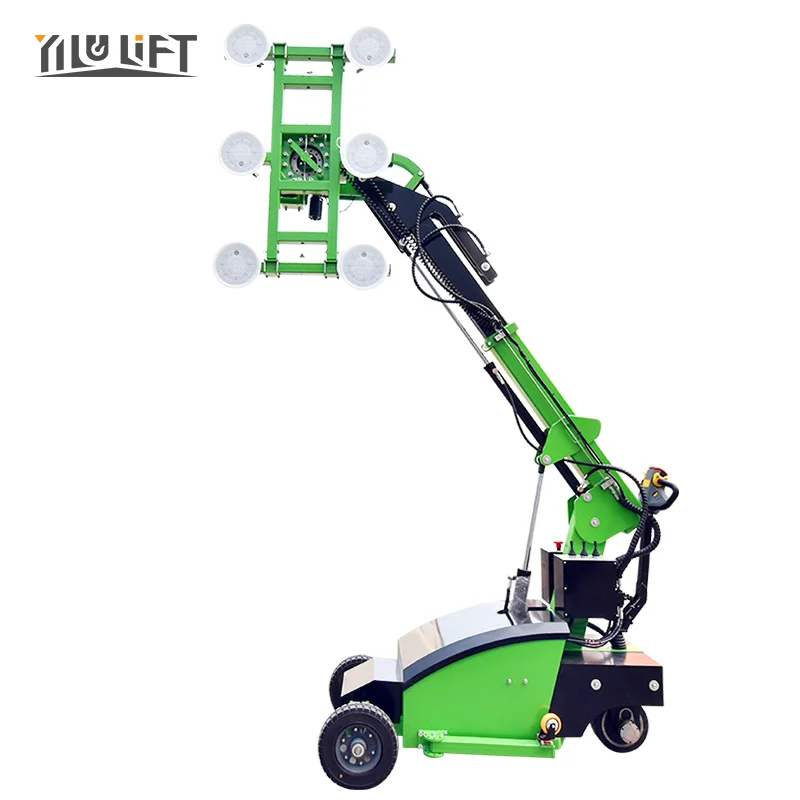
Projects differ in the strength they need. YILU LIFT suction systems adjust to fit both light balcony panels and heavy curtain wall units. Operators change pressure based on coating or thickness. The setting works well for delicate LOW-E or laminated glass.
Mobility and Maneuverability
The robots come in different setups. Some move on wheels across the ground. Others mount on cranes for vertical lifts on towers. They travel between floors through strong aerial connections. Precise hold and smooth transport help crews install units quickly. Rotating arms turn a full 360 degrees. This reach helps in tight façade corners.
Certifications and Compliance
Each YILU LIFT robot passes strict tests under CE and ISO rules before it leaves the factory. The approvals show the machines meet international equipment standards. This matters for B2B buyers because insurance often requires certified gear.
|
Certification |
Description |
Benefit |
|
CE Marking |
European conformity |
Legal use across EU projects |
|
ISO Standards |
Quality & safety management |
Guarantees consistent performance |
|
Structural Load Tests |
Verified by third-party labs |
Confirms rated lifting capacity |
Applications Across Construction Projects
Residential and Commercial High-Rises
YILU LIFT robots perform well on curtain walls, balcony glass, and façade work in busy city areas. Cranes often lack easy access in these spots. The compact size lets crews use the robots for retrofit jobs on older buildings without large scaffold setups.
Industrial and Public Buildings
Airports, hospitals, and malls need large glass sections placed with care across wide areas. The equipment lowers labor costs and speeds up work. It also offers safe and steady handling that fits modern industry and construction needs. The same tools handle oversized skylights or atrium glass with equal control.
Integration with Cranes and Hoists
The modular frame on each YILU LIFT robot connects directly to tower cranes or hoists already on site. Crews attach the unit through standard fittings. No extra changes are needed. This saves setup time when work moves from one floor to the next.
Benefits for B2B Clients
Cost and Labor Efficiency
Robotic lifting reduces the number of workers needed on each lift. It also lowers damage to materials from handling errors. Fewer people work near height risks. This can reduce insurance costs over the length of a project.
Quality and Precision
Panels land in the exact spot required. Later fixes for misalignment or poor seals become unnecessary. This level of accuracy supports developers who want high-quality results.
Scalability for Large Projects
A group of YILU LIFT robots can move between different sites under one contractor. The same connection points make transport simple. This setup works well for several high-rise jobs within one city area.
Conclusion
High-rise construction demands tools that combine intelligence with reliability. YILU LIFT vacuum lifter robots deliver both: automated precision that handles fragile materials safely at great heights while accelerating project timelines. With CE-verified systems, robust suction technology, and adaptable configurations, they represent a new benchmark in façade automation for 2026 projects worldwide.
Contractors, building installers, and developers are encouraged to reach out to YILU LIFT to explore its full product range and request a consultation to secure bulk orders or customized solutions for 2026 projects.
FAQ
Q1: What types of glass panels can YILU LIFT vacuum lifter robots handle?
A: Panels of various sizes and weights, including large building exterior panels, balcony glazing, and tempered or laminated glass.
Q2: Are YILU LIFT robots certified for construction safety standards?
Yes. All models carry CE marking along with ISO-compliant manufacturing certifications. These meet international B2B procurement needs.
Q3: How do these robots improve efficiency on high-rise projects?
They automate suction control and movement precision. The result is less manual labor and faster panel placement compared with traditional crane setups.
Q4: Can YILU LIFT robots be integrated with existing cranes or hoists?
Yes. The modular frames connect directly to standard crane hooks or hoist systems without special adapters.
Q5: Are these robots suitable for both commercial and residential high-rise projects?
A: Absolutely. They are adaptable to various building types, from residential towers to commercial complexes and public facilities.