
How to Maintain Aerial Work Platforms for Long-Term Performance
How to Maintain Aerial Work Platforms for Long-Term Performance
Introduction
Proper maintenance of aerial work platforms proves vital for safety,operational efficiency, and long-term equipment performance in B2B settings like building areas, rental fleets, warehouses, and industrial facilities. Regular checks and preventive servicing reduce downtime, extend service life, and support compliance with safety standards.
YILU LIFT stands as a top provider of lifting solutions. It offers several solid scissor lifts, boom lifts, and lift tables made for tough work-at-height tasks. Blending fixed maintenance steps with dependable gear lifts work steadiness, cuts expensive fixes, and backs secure action in varied industrial and trade settings.
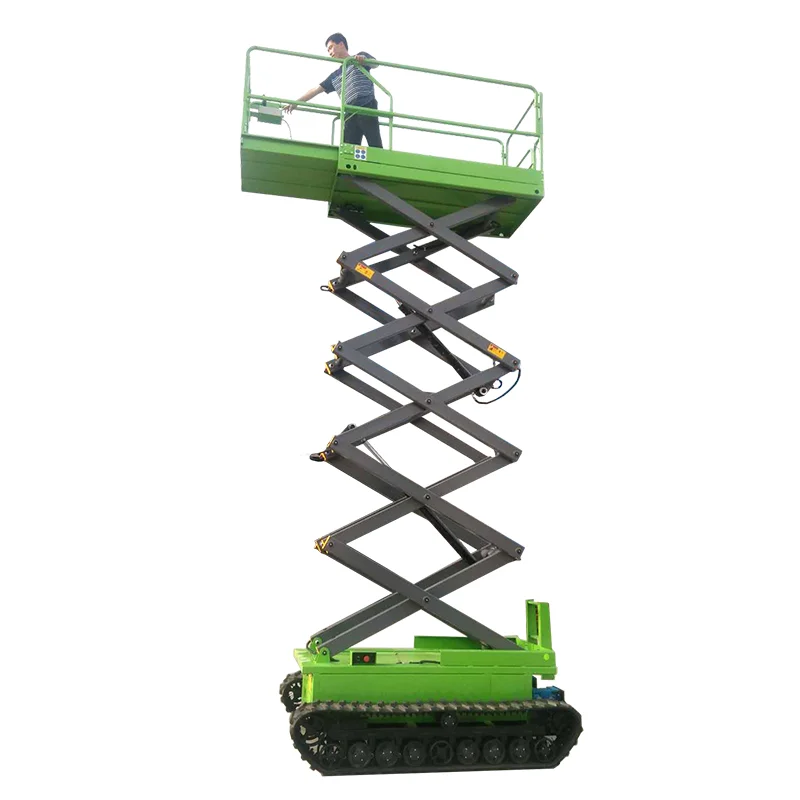
Why Regular Aerial Work Platform Maintenance Matters
Reducing Downtime and Repair Costs
For rental fleets or contractors managing multiple job sites, downtime can derail schedules. Scheduled lift maintenance spots early wear clues—such as sluggish hydraulic reaction or battery fade—prior to them growing into pricey failures. A steady check plan also reduces emergency repair calls and keeps fleet utilization high.
Extending Equipment Service Life
Regular upkeep shapes the length of time aerial work platforms stay in action. Day-to-day reviews of grease spots, hydraulic oil amounts, and battery fluid heights stop early part breakdowns. Staff polish each touching section with hydraulic oil promptly. This practice stretches the service life of every component. Reliable scissor lift maintenance or boom lift maintenance delivers even running over years of intense handling.
Supporting Safer Work-at-Height Operations
Safety leaves no room for debate in high-reach tasks. Guardrails, platform gates, control panels, tires, and outriggers require checks ahead of each shift. Anti-overload safety protection device shields the equipment from going beyond its rated load. Ongoing tests of these setups cut down dangers for workers up several meters from the ground.
Daily Pre-Use Inspection Checklist
Check the Platform and Guardrails
Review every entry gate, guardrail, toe board, and weld joint for breaks or bends. Absent bolts or slack fasteners might bring grave risks during lifts of people or goods.
Test Upper and Lower Controls
Prior to beginning tasks, try out both upper (platform) controls and lower (ground) controls to verify even motion. Emergency stop buttons and emergency lowering systems need to act right away on worker commands.
Inspect Tires, Wheels, and Ground Contact Points
In the case of mobile scissor lifts or towable boom lifts, examine tire air pressure, wheel bolts, brakes, and stabilizers before tackling rough ground. Broken tires could disrupt stability while raising.
Look for Leaks, Loose Parts, and Warning Signs
Hydraulic leaks usually show up as tiny oil stains beneath the chassis. Examine hoses for wear scratches or loose connections. In addition, check wiring harnesses for rust or worn coverings.
Key Maintenance Areas for Scissor Lifts and Boom Lifts
Battery and Charging System Maintenance
Electric aerial work platforms depend a lot on battery strength. Clean terminals free of rust with a gentle baking soda mix. Steer clear of deep drain periods that cut battery lifespan in fleet use.
|
Task |
Frequency |
Notes |
|
Battery water level check |
Weekly |
Use distilled water only |
|
Terminal cleaning |
Monthly |
Disconnect power before cleaning |
|
Charger inspection |
Monthly |
Verify correct voltage output |
Hydraulic System Care
Hydraulic systems form the core of aerial lift movement. The hydraulic oil calls for replacement yearly. When lifting platform parts allow, opt for 32# hydraulic oil during winter and 46# hydraulic oil in summer. Inspect fluid clearness—milky oil points to dirt buildup—and review hoses for swells or splits.
Structural Components and Welded Frames
After intense use, examine scissor arms or boom sections for corrosion or warping. Verify if nuts at every crossing point on the lift arm hold tight. Also, confirm no oil leaks exist in the hydraulic oil pipes. Even minor shifts can trigger unsteadiness at maximum reach height.
Safety Devices and Emergency Systems
Vital safety systems cover overload protection valves, tilt alarms, limit switches, emergency descent devices, and safety locks on platform doors. Emergency descending device: should a quick power loss happen, activating the emergency descending device brings the equipment down to a secure level.
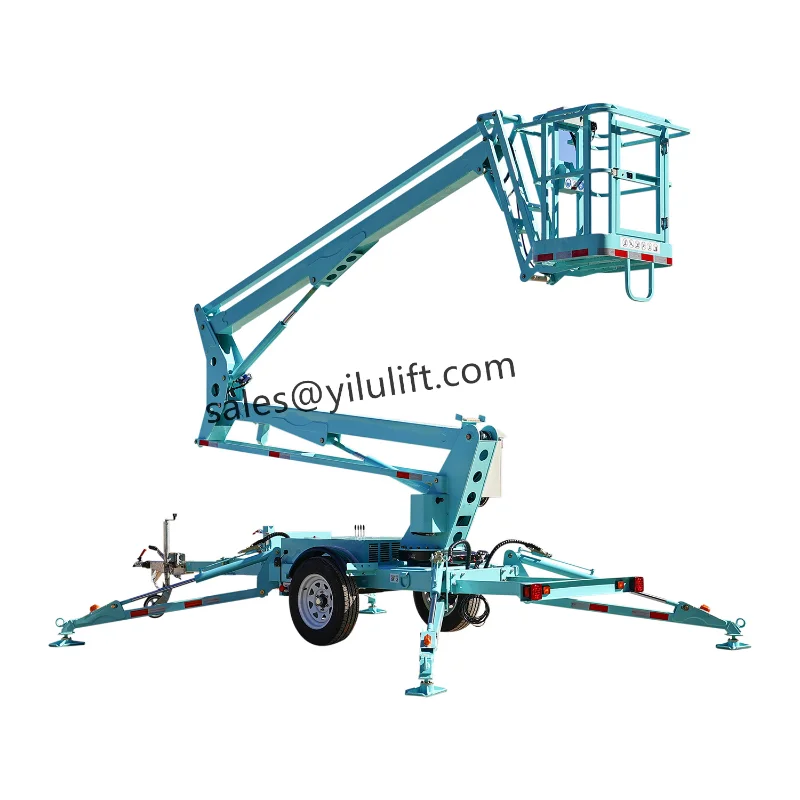
Maintenance Tips for Different YILU LIFT Product Types
Self-Propelled Scissor Lifts
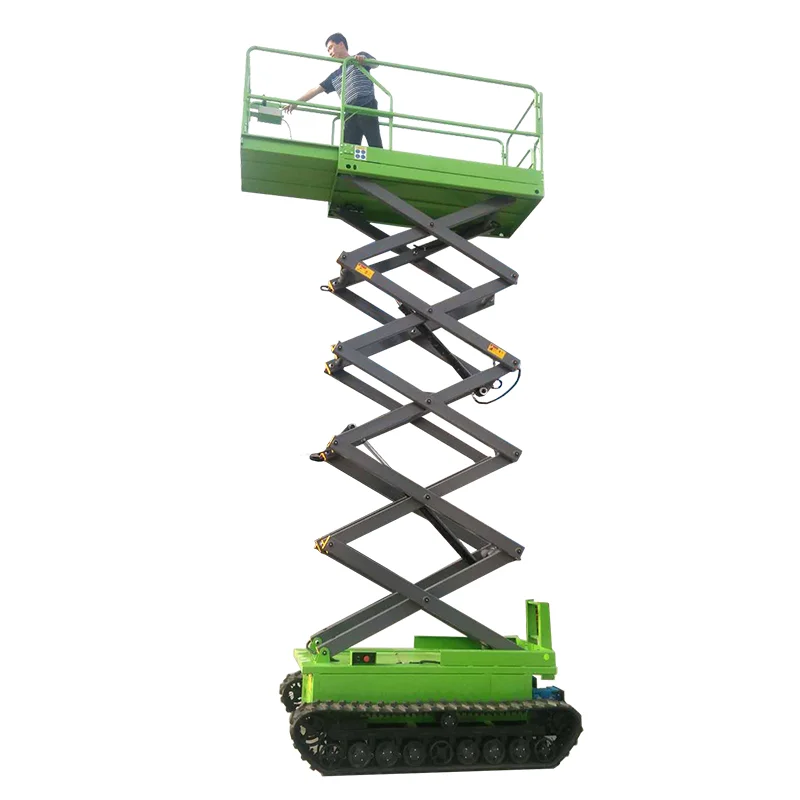
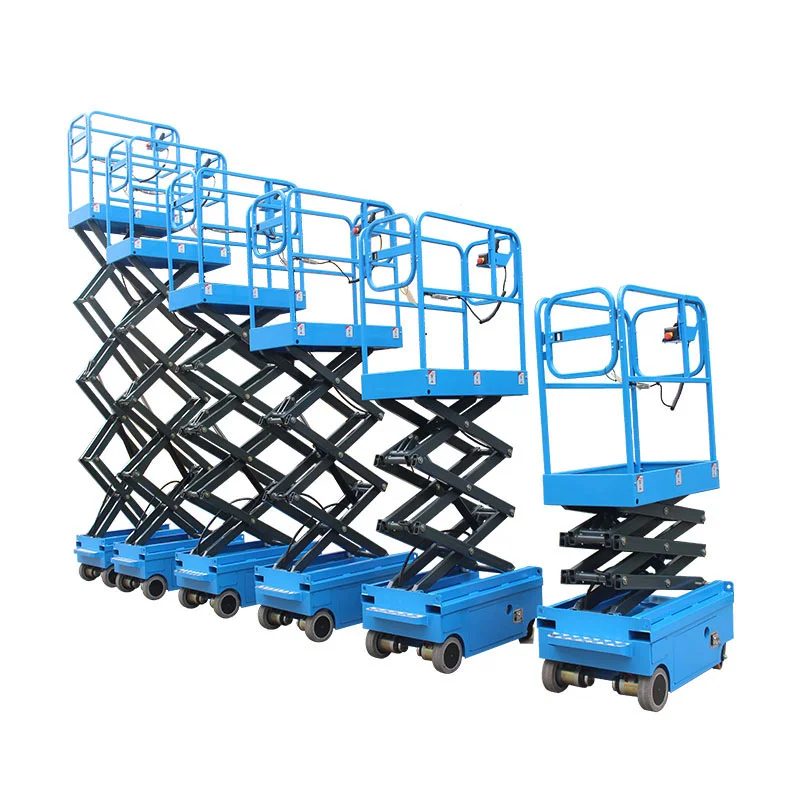
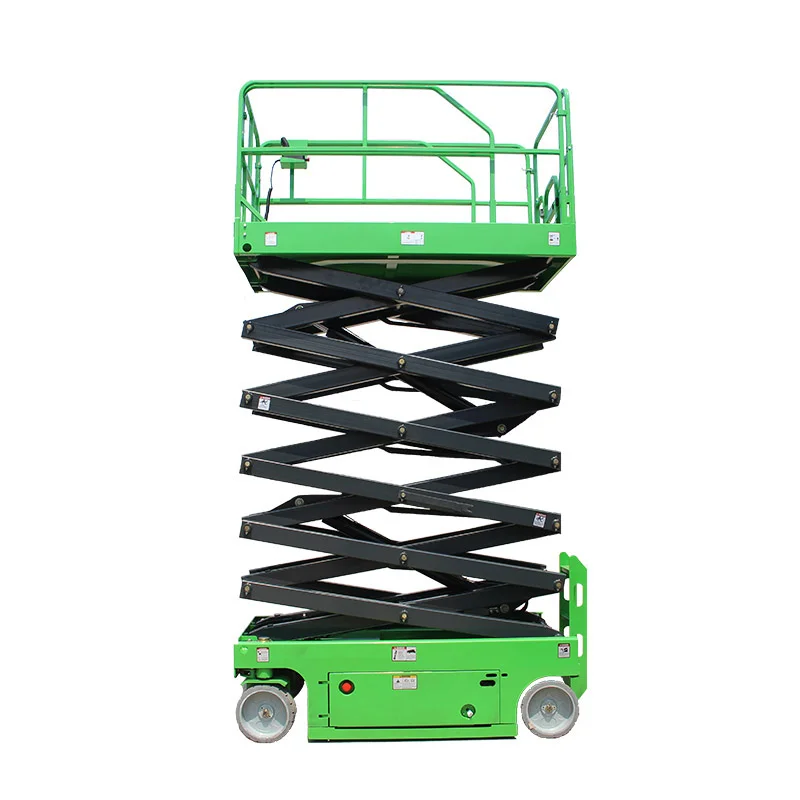
YILU’s self-propelled models boast small frames that fit snug indoor areas well. The pedal extension platform deploys fast to job locations. Maximum operating height 8-16m. The foldable fence cuts down the overall machine dimensions. The industry’s smallest turning radius and compact design make it easy to operate in tight spaces. Rotating chassis is convenient for maintenance. Automatic display of fault codes. Standard checks ought to cover drive motor performance trials and pothole protection sensors.
Towable Boom Lifts
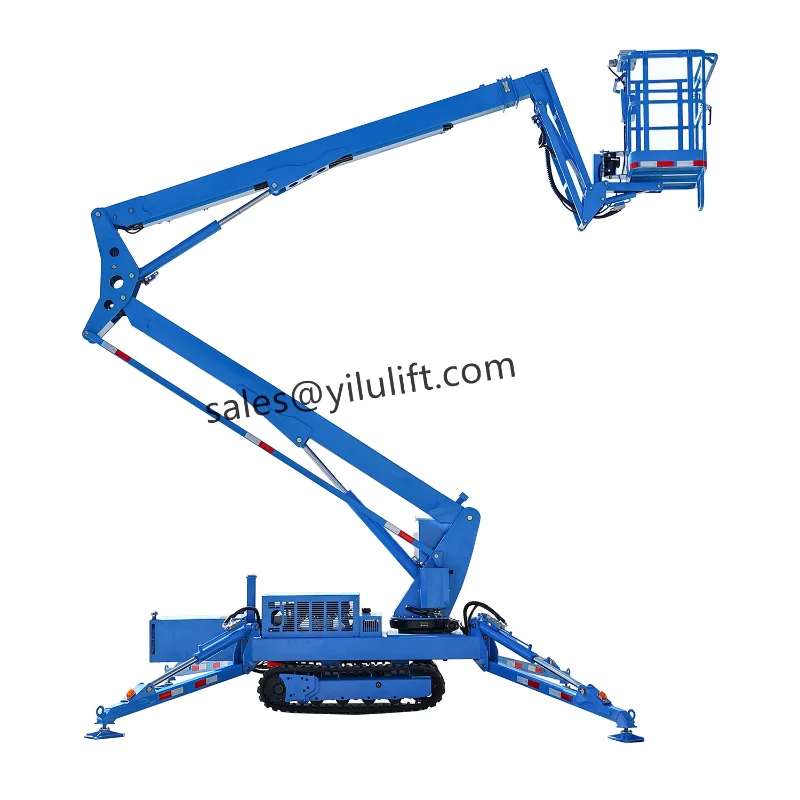
Towable units demand focus on outriggers’ locking pins, trailer hitches, rotation bearings, cylinder seals, stabilizer pads—and even light connections during moves between sites.
Stationary Scissor Lift Tables
Stationary lifts handle steady industrial duties like assembly lines or cargo shifts across floors. Fixed lifting platform is a cargo lifting equipment with good lifting stability and wide application range. Check anchoring bolts on a regular basis to avoid shake-induced loosening in repeated runs.
Building a Preventive Maintenance Schedule
A planned schedule weighs daily inspections against more thorough timed service:
|
Interval |
Key Tasks |
|
Daily |
Visual checks on structure & controls; clean debris after use |
|
Weekly |
Lubricate moving joints; inspect fasteners & labels |
|
Monthly |
Review hydraulic oil clarity; test alarm functions |
|
Annual |
Professional inspection by certified technicians |
Yearly reviews must align with manufacturer guidelines, taking into account work load or surroundings like dust or moisture exposure.
Common Maintenance Mistakes to Avoid
Ignoring Small Leaks or Slow Lifting
Tiny leaks frequently warn of inner seal damage that builds gradually. Delayed raising might signal weak hydraulic force—tackling it soon prevents complete system collapse down the line.
Using Non-Recommended Parts or Fluids
Substituting cheaper fluids might seem harmless but can damage seals designed for specific viscosity ranges.
Skipping Maintenance Records
Records hold value: logging check findings aids spotting repeated issues in fleets—a essential habit for rental setups overseeing scores of units at once.
Operating a Faulty Platform
Avoid running an aerial work platform that displays alert lights or non-working controls until trained staff service it fully.
How Proper Maintenance Improves B2B Equipment ROI
Better Fleet Availability
Consistent upkeep means fewer unscheduled downtimes—rental companies can rotate units faster between clients without delays from unexpected repairs.
Lower Total Ownership Cost
Forward care reduces large part changes like pumps or controllers, which typically run thousands per unit.
Stronger Buyer Confidence
Contractors rely on providers with machines that deliver steady output day in and day out. Trustworthy aerial work platform fleets foster ongoing trade ties in a natural way over time.
Conclusion
Maintaining aerial work platforms acts as both a safety duty andan investment strategy that yields returns via cut downtime and extended service life. Businesses handling scissor lift maintenance plans or varied fleets with boom lifts and tables—a structured routine backed by professional support keeps operations smooth year-round.
For high-quality lifting solutions and comprehensive technical support, YILU LIFT provides professional products tailored to demanding work-at-height applications—contact YILU LIFT to secure the optimal aerial work platform for operational efficiency and long-term performance.
FAQ
Q1: How often should an aerial work platform be inspected?
A: It should be checked before each use with additional scheduled inspections depending on usage frequency and manufacturer recommendations.
Q2: What is the most important part of scissor lift maintenance?
A: Battery condition monitoring plus regular hydraulic system checks are critical since both directly affect performance stability during operation.
Q3: How can rental companies reduce aerial platform downtime?
A: By maintaining detailed inspection logs daily while replacing worn parts promptly instead of waiting until complete failure occurs.
Q4: What signs show that a boom lift needs maintenance?
A: Slow movement speed combined with visible leaks near cylinders usually signals internal pressure loss requiring immediate service attention.
Q5: Why choose YILU LIFT for aerial work platform projects?
A: YILU LIFT offers reliable scissor lifts, boom lifts, and stationary tables engineered for industrial-grade durability suitable across warehouses or construction sites alike.