
Essential Safety Tips for YILU LIFT Boom & Scissor Lifts
Essential Safety Tips for YILU LIFT Boom & Scissor Lifts
Introduction
Boom lift safety and scissor lift safety stand as key parts of any industrial operation that deals with tasks at height. Contractors, warehouse operators, facility maintenance teams, and industrial buyers count on these machines every day to handle elevated work efficiently. But without proper safety practices, problems pile up quick. Worker injuries, equipment damage, operational downtime, and even regulatory penalties can come next. For companies investing in YILU LIFT equipment, integrating robust safety protocols is not just a compliance measure but a productivity strategy.
Why Safety Matters for Industrial Lifts
Jobs at height bring dangers that no one can overlook. Falls keep topping the list for bad injuries on raised platforms. Tip-overs strike when lifts hold too much or run on rough ground. Things blocking above and power wires bring extra threats. Tools or stuff falling from up high can harm folks down below. All these dangers point out why boom lift safety and scissor lift safety have to weave into each step. That starts from planning and goes to carrying out the job.
For B2B buyers, understanding these dangers influences smarter purchasing decisions. Choosing the right lift type and features directly affects both efficiency and accident prevention on site.
Choosing the Right YILU LIFT
Selecting Between Boom Lifts and Scissor Lifts
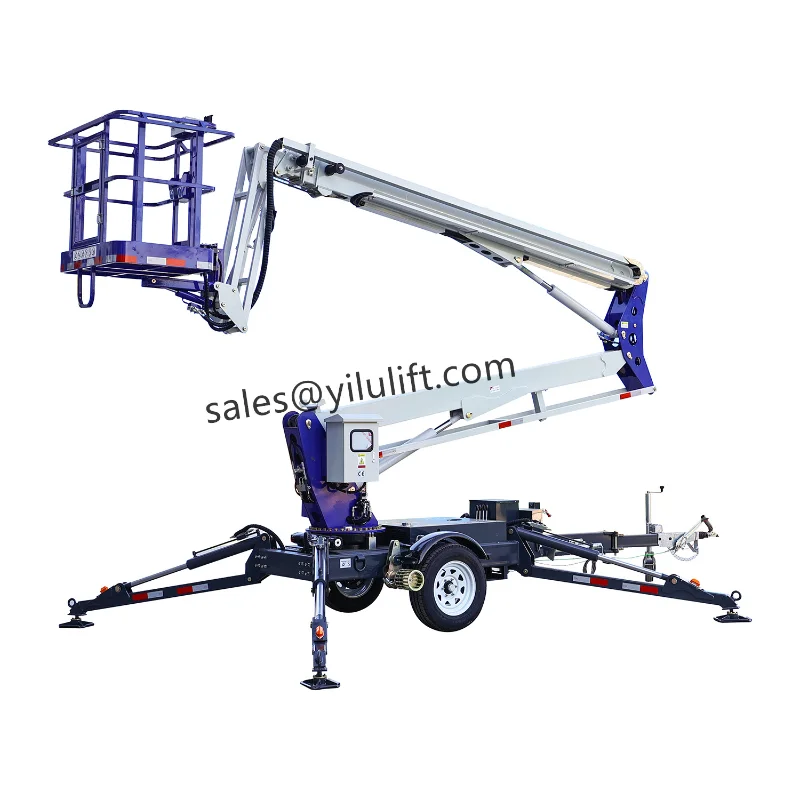
Boom lifts shine in spots needing horizontal outreach. They fit well for outside building upkeep, sign setup, or cutting tree limbs. Scissor lifts differ. They give steady up-and-down entry for warehouses, factories, and indoor maintenance work where space is limited but precision is essential.
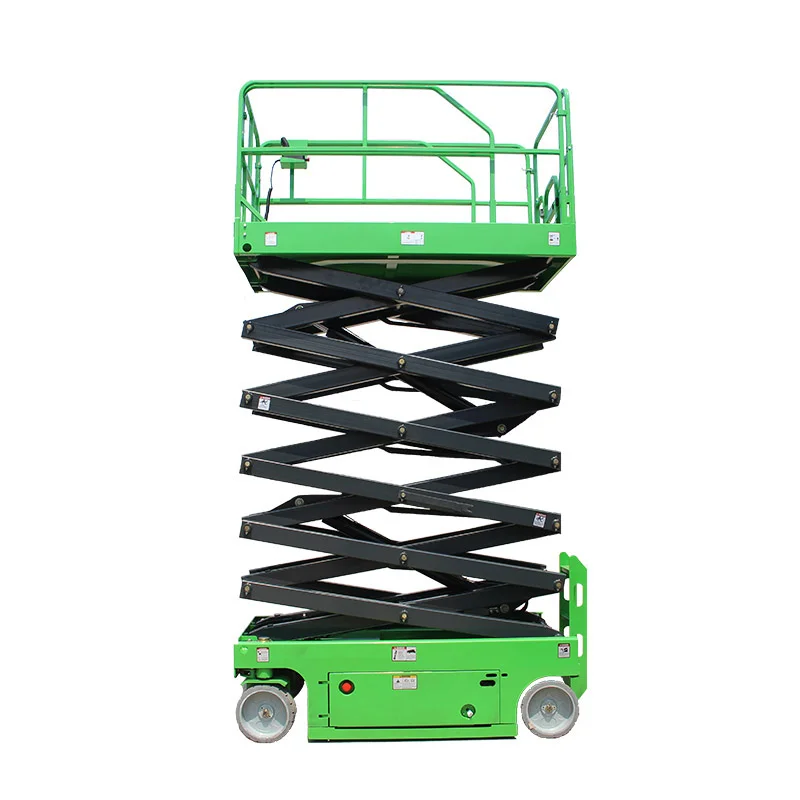
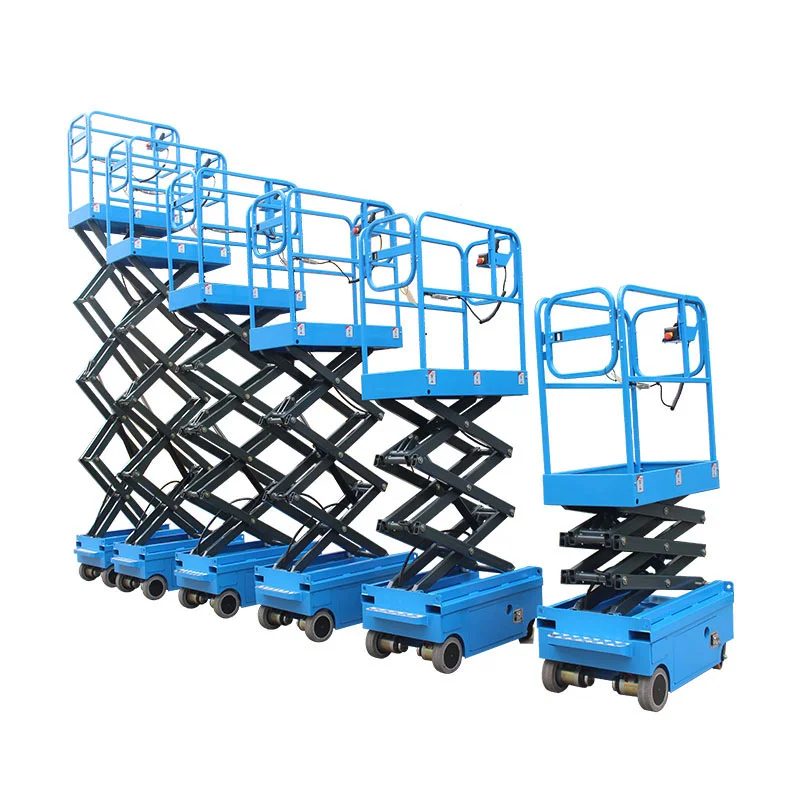
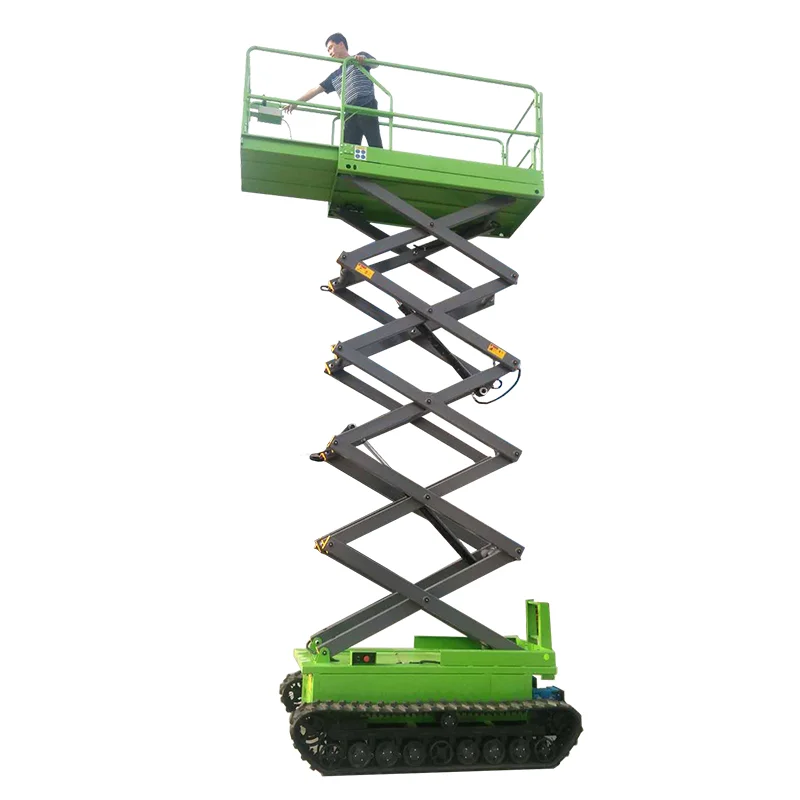
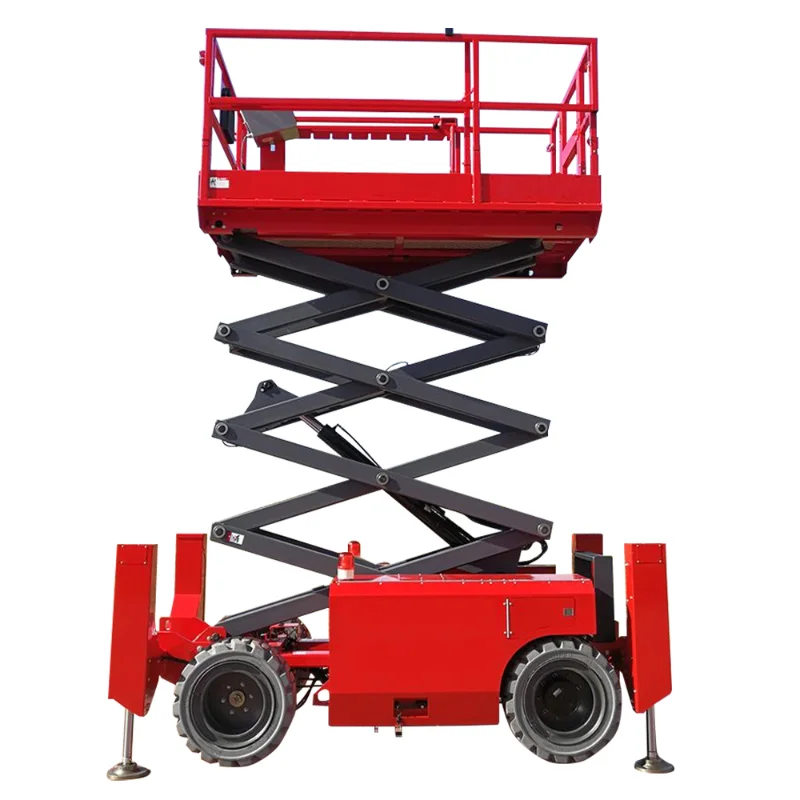
The scissor lift platform has the characteristics of compact structure, large load capacity, strong passability and smooth handling. For that reason, it finds broad use in today’s shipping, plane cargo shifts, building, and upkeep of large machines. This versatility makes it a top pick for facilities that put steadiness ahead of stretch.
Matching Lift Specifications to Job Requirements
When picking a YILU LIFT model, details ought to line up with work needs:
|
Specification |
Key Consideration |
|
Working Height |
Choose a platform that comfortably exceeds your maximum reach requirement |
|
Platform Size |
Larger platforms accommodate multiple workers or bulky tools |
|
Load Capacity |
Factor in total weight—operators plus materials |
|
Surface Type |
Smooth floors vs rough terrain determine tire type and power source |
|
Power Source |
Electric for indoor use; diesel or dual power for outdoor projects |
Different hydraulic lifts face varied needs for their work spots and built-in measures (such as rated load, lifting height, table size). Matching these measures to site conditions ensures safe operation from day one.
Pre-Operation Safety Checks
Control Systems and Emergency Features
Before each shift kicks off, operators need to test all controls, the upper and lower ones. They also must check that the emergency stop works fine. Alarms, limit switches, warning labels, and drop tools call for testing to see if they react fast.
Emergency descending device: in case of sudden power failure, opening the emergency descending device can lower the equipment to a safe height. These fitted systems matter a lot when unexpected events occur.
Equipment Integrity
Visual inspection prevents small issues from becoming catastrophic failures. Check hydraulic lines for drips, see that batteries charge right, look at tires and brakes for wear, guardrails for breaks, and make sure all stickers stay easy to read.
It is strictly forbidden to carry people on a fixed lifting platform without safety guardrails; Overloading is strictly prohibited. If flaws turn up in the look-over, pull the unit from use till trained techs wrap up fixes.
Fall Protection and Platform Discipline
Safe Practices on Boom Lifts
Operators always need to plant feet solid on the platform base. They should never climb or bend past guardrails. Use approved fall hold gear hooked to set points alone.
Safe Practices on Scissor Lifts
Scissor lift safety depends heavily on respecting platform boundaries. The in-place guardrails offer good shield. Leaning out of them or putting ladders on platforms pulls in accidents.
It is strictly forbidden to operate the lift when the wind force is greater than level 5 or in rainy or snowy weather. Environmental awareness complements platform discipline by preventing instability due to wind loads.
Stability, Ground Conditions, and Work Zone Safety
Surface Assessment
Before rolling out, check ground setups with attention. The ground has to feel hard and flat. Skip pits or mushy earth that might slide under weight. Outriggers or wheel stops might come in handy outside.
Open branch legs, adjust the leg bolts to keep the lifting platform level. Leveling holds work steady even if ground changes a touch.
Load and Movement Control
Never pass the set weight hold. Tools stack weight in a flash, so bear that in mind. Shift lifts slow when changing spots. Fast tweaks can throw off raised platforms.
Work Zone Management
Stay back from power lines and things up top. Set off work areas with cones or blocks to stop walkers near gear in motion.
Safe Operation Tips for YILU LIFT
Boom Lift Operational Guidelines
- Stay within outreach limits indicated by manufacturer charts
- Avoid driving with booms raised unless explicitly permitted
- Utilize integrated systems such as anti-burst valves and alarms
- Engage emergency descent features only as directed in manuals
- Keep communication open between ground staff and operator via radio or hand signals
Scissor Lift Operational Guidelines
- Extend platforms fully only within rated limits
- Use automatic braking systems during stationary work
- Select electric models indoors; rough-terrain versions outdoors
- Activate pothole protection before moving across uneven surfaces
Training, Maintenance, and Documentation
Operator Training
Only folks with training should run aerial lifts. Lessons ought to touch on knowing control setups, figuring load marks, fall shield ways, checks before start, and crisis steps.
Maintenance Procedures
Set servicing keeps hydraulic parts quick and brakes solid.
Each contact part should be polished with hydraulic oil in time to extend the service life of each part. Regular tending stretches part life and cuts breaks in the middle of jobs.
Record Keeping
Logging checks guards against blame fights and backs fleet solidness review over stretches. This habit counts big for rental outfits handling scores of units at the same time.
Conclusion
Safety handling for boom and scissor lifts covers right gear picks, checks before start, worker training, and steady upkeep. Sticking to set safety rules cuts dangers like drops, flips, and platform wobbles while meeting rule needs. Good rollout boosts work flow, stretches gear life, and backs solidness on industrial sites. For instance, in a busy warehouse, quick checks have cut fall risks by up to 40 percent based on past site reports.
YILU LIFT offers a comprehensive range of boom and scissor lifts equipped with advanced safety features for various heights, loads, and terrains. For guidance on selecting the right lift and ensuring safe operations, reaching out to YILU LIFT stands as a solid next move.
FAQ
Q1: What is the most important safety check before using a boom lift?
A: Inspect controls at both stations along with brakes, tires, hydraulics, emergency descent systems, guardrails integrity, visible labels, and confirm surrounding work zone clearance before elevating personnel.
Q2: Are scissor lifts safer than boom lifts?
A: Each serves distinct purposes—boom lifts offer greater outreach but demand stricter fall protection discipline; scissor lifts provide inherent stability indoors yet still rely on correct setup practices for comparable safety levels.
Q3: Should operators wear fall protection in a boom lift?
A: Yes—approved harnesses connected to designated anchor points are mandatory whenever working from an elevated boom basket per standard industry regulations.
Q4: Can a scissor lift be used outdoors in windy conditions?
A: Only if it’s specifically rated for outdoor use; wind speeds must remain within manufacturer-defined thresholds to prevent tipping hazards during elevation cycles.
Q5: How can B2B buyers choose the right YILU LIFT model?
A: Compare working heights against project demands while evaluating load capacities relative to typical tool weights; assess ground conditions (smooth versus rugged), decide between electric or dual-power configurations based on site access needs—all supported by available maintenance services from YILU LIFT’s technical network.