
Zero-Emission Electric Boom Lifts for Sustainable Warehouses 2026
Zero-Emission Electric Boom Lifts for Sustainable Warehouses 2026
Introduction
Warehouse operations move quickly in 2026. Sustainability targets, ESG reports, and higher energy prices urge logistics teams to review their equipment. Many switch from diesel or gas machines to electric options that produce no tailpipe emissions.
The electric boom lift fits this shift well. It gives maintenance teams elevated access without direct exhaust emissions during operation, and that matters in enclosed warehouse spaces. A fuel-powered machine can still have value outdoors, especially on rough ground, but inside a modern warehouse, exhaust, noise, odor, and floor marks are hard to ignore.
For B2B warehouse users, YILU LIFT supplies a full line of boom lift and aerial lift units built for steady daily use. The designs focus on useful reach, solid build quality, and support for current warehouse goals like zero-emission runs and lower total cost of ownership.
Why Sustainable Warehouses Need Zero-Emission Access Equipment
Warehouses used to be treated as back-end spaces. That has changed. A warehouse can now be a key part of a company’s ESG report, customer audit, labor safety review, and operating cost plan. Even small equipment choices can affect daily working conditions.
Fuel-powered boom lifts work fine outside but face limits inside. Diesel fumes need extra air handling. Engine shake can affect delicate stock. Tires leave marks on finished floors.
An electric boom lift helps reduce these concerns. It can work closer to people, products, packing lines, and indoor storage areas without the same direct emissions problem. That is why electric access equipment is getting more attention from B2B buyers in 2026.
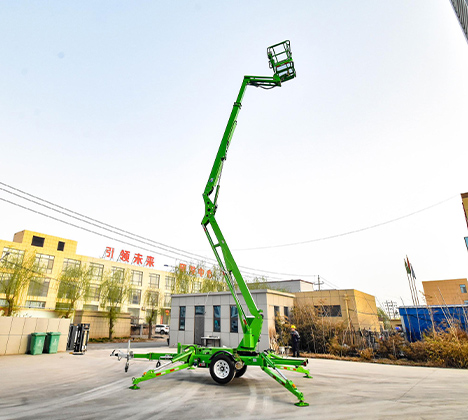
What Makes an Electric Boom Lift a Zero-Emission Warehouse Solution
No Direct Exhaust Emissions During Operation
A zero-emission electric boom lift gives off no exhaust where it runs. This matters in closed spaces near goods or air systems. It helps meet air-quality targets without added ventilation work.
Lower Noise for Active Warehouse Environments
Electric drives run quieter than combustion engines. Maintenance crews can work above packing lines or office zones without added disturbance, which helps in facilities that run around the clock.
Cleaner Movement on Sensitive Floors
Many electric aerial lifts come with non-marking tires and steady hydraulic action. These features protect coated or polished concrete. They work well in cleanrooms, back-of-store areas, or cold-chain zones that need strict contamination control.
Where Electric Boom Lifts Fit in Warehouse Operations
Lighting, Cable, and HVAC Maintenance
High ceilings call for safe access. Electric boom lifts let teams change LED lights, check sprinklers, or service ducts without the delays that come with scaffold builds.
Racking and Inventory System Upgrades
Work on pallet racks or automated storage often needs side reach. A boom lift allows flexible placement over conveyors or shelves in ways a straight-up scissor lift cannot match.
Facility Repair Without Stopping the Whole Floor
Onsite electric boom lifts let crews fix ceiling leaks or signage while the rest of the warehouse keeps running. This supports steady operations without full shutdowns.
YILU LIFT Boom Lift Solutions for B2B Buyers
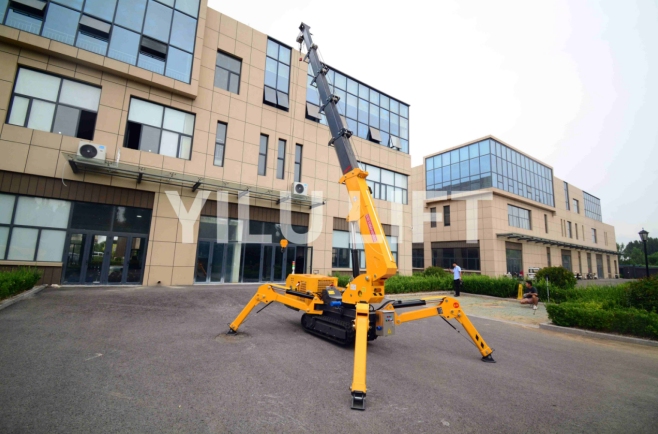
YILU LIFT provides boom lift equipment for tasks like maintenance, installation, and cleaning. Their boom lifts are great for contractors, warehouse maintainers, rental firms, and facility teams. These teams often need mobile gear between various spots for flexible access.
For B2B warehouse projects, model selection should not be based on working height alone. A good selection process should also consider:
- Required working height
- Horizontal outreach
- Platform load
- Aisle width
- Floor condition
- Indoor or outdoor movement route
- Battery power demand
- Charging space
- Frequency of use
- Operator skill level
This is where many equipment purchases go wrong. A machine may look strong enough on paper, but if it cannot move through the warehouse path or reach across a conveyor, the job still slows down.
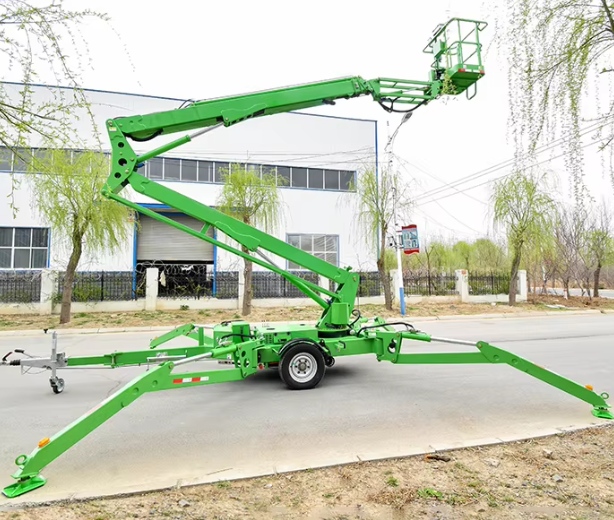
Electric Boom Lift vs Traditional Access Methods in Warehouses
|
Method |
Strengths |
Weaknesses |
|
Ladder |
Low cost |
High fall risk; limited height |
|
Scaffolding |
Stable platform |
Time-consuming setup |
|
Scissor Lift |
Vertical reach |
Limited outreach |
|
Boom Lift |
Vertical + horizontal reach; mobility |
Higher initial cost |
Compared With Ladders and Scaffolding
Ladders look cheap at first but slow down repeated maintenance and raise safety risks. A boom lift gives a stable work platform with better reach control and cuts labor time per job.
Compared With Diesel Boom Lifts
Diesel models still suit outdoor tasks but fall short indoors because of fumes and noise rules. Electric versions deliver similar lift performance while meeting indoor air standards.
Compared With Scissor Lifts
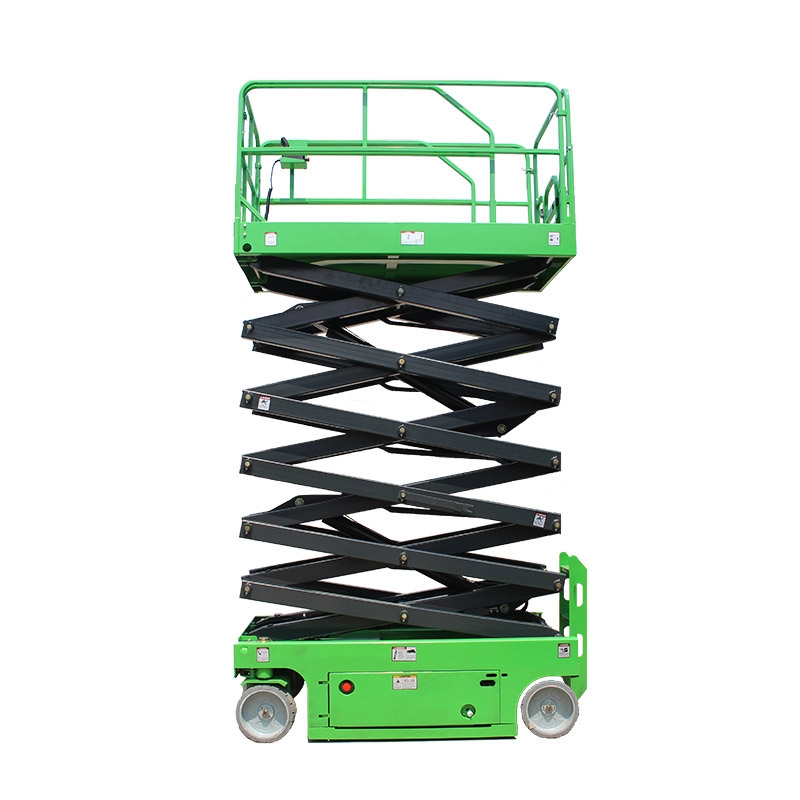
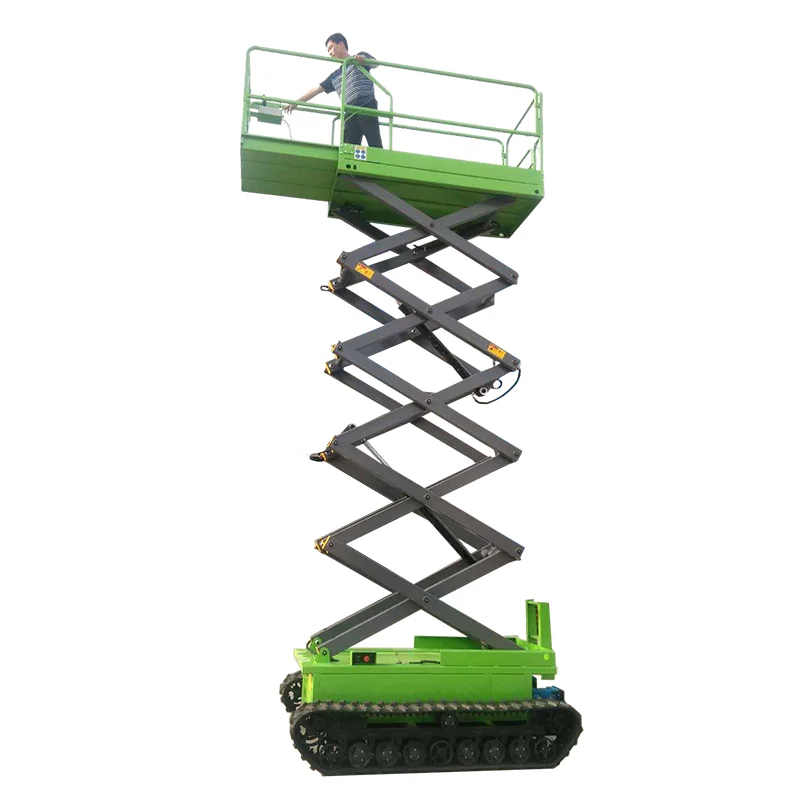
While scissor lifts offer large platforms and higher load capacities for straight vertical lifting, a boom lift provides the necessary horizontal outreach to span over warehouse racks and automated conveyors.
Key Buying Factors for Sustainable Warehouse Procurement
Working Height and Outreach
Buyers should check ceiling height and aisle layout first. An oversized unit may limit movement while an undersized one leaves some tasks out of reach.
Load Capacity and Platform Size
Platform size sets how many workers or tools fit safely at once. Matching this to typical jobs avoids underuse or overload.
Battery Runtime and Charging Plan
Warehouses on multiple shifts need to plan charging times, often overnight, so units stay ready during busy periods.
Floor Protection and Indoor Movement
Non-marking tires and suitable turning radii keep floors clean and allow smooth travel in tight spaces.
How Electric Boom Lifts Support Lower TCO
Less Fuel Use and Fewer Engine-Related Costs
Moving from diesel to battery removes fuel storage needs and cuts oil changes or filter swaps. This shortens routine maintenance lists.
Better Uptime for Planned Maintenance Tasks
Keeping high-reach equipment on site reduces wait times compared with renting scaffolds or calling outside crews for small repairs.
Stronger Fit With ESG and Customer Audits
Sustainability checks now look at supplier sites as well. Zero-emission gear such as electric aerial lifts shows clear steps toward lower emissions for clients who want greener supply chains.
Electric Boom Lifts as Part of a Low-Carbon Warehouse Workflow
The more innovative angle in 2026 is not simply replacing one diesel unit with one electric unit. Sustainable warehouses are being built as connected systems. LED lighting, electric forklifts, battery charging zones, smart meters, solar power, automation, and low-emission access equipment all work together.
An electric boom lift can support that bigger workflow. It can help install LED lights, maintain energy-saving HVAC systems, service sensors, repair overhead safety devices, and support automation upgrades. In other words, the machine is not only part of the warehouse’s sustainability target. It also helps maintain the systems that make the warehouse more efficient.
Conclusion
Zero-emission electric boom lifts are vital for sustainable warehouses since they help keep things cleaner indoors, lower noise levels, and cut down the need for fuel. For B2B operators, the benefits go beyond just cutting emissions. These lifts also boost uptime, safety, and facility protection, plus speed up maintenance and save on costs in the long run.
YILU LIFT offers boom and aerial lift equipment for warehouse tasks like maintenance, installation, and cleaning and multi-site access work. For sustainable warehouse projects in 2026, YILU LIFT can help match electric boom lift options with working height, outreach, platform load, battery power, access routes, and daily maintenance needs. Contact YILU LIFT today for electric boom lift quotes and solutions.
FAQs
Q1: Why are electric boom lifts suitable for sustainable warehouses?
A: They run without direct exhaust or fuel burn and stay quiet in closed spaces, which helps meet sustainability benchmarks inside modern facilities.
Q2: What warehouse tasks can an electric boom lift handle?
A: Common jobs include lighting repair, cable runs, HVAC checks, sprinkler tests, signage work, rack fixes, camera installs, and other raised facility tasks.
Q3: How is a boom lift different from a scissor lift in warehouse use?
A: A boom lift supplies both height and side reach over obstacles such as conveyors. A scissor lift mainly travels straight up in open zones.
Q4: What should B2B buyers check before choosing a warehouse aerial lift?
A: Review working height needs along with aisle width, floor type fit (non-marking tires), platform load rating, battery runtime, and overall workflow match.
Q5: How does YILU LIFT support electric boom lift selection for warehouse projects?
A: YILU LIFT helps B2B buyers match models to height needs, pure electric drive, site access paths, platform capacity, and longer-term sustainability targets tied to 2026 plans.